10 April 2026, wanakam
For the first Amsterdam Vinyl Club listening session, we lost ourselves in the debut album by Dutch artist Kissame, 'Bossa Kissa'.
The album is inspired by Japanese 'kissa' listening cafés, where vinyl records are played from start to finish on high-end sound systems.
Kissa cafés are quiet spaces where everyone is focused on the music. Listening becomes deliberate, not passive.
Given the record's themes, it was an honour to bring a taste of kissa to Wanakam – another warm, creative space built around music.
Shaped by warm bossa-nova harmonies and contemporary South African rhythms, 'Bossa Kissa' is a rich, absorbing record.
Acoustic guitar, nylon-string textures, subtle piano lines, brass accents and organic percussion interact with carefully constructed loops and atmospheric layers.
The production draws from collage traditions: fragments, resonance and space assembled with precision. Each track holds its own form and character, while contributing to the album as a whole.
Amsterdam vinyl club: bossa kissa listening party
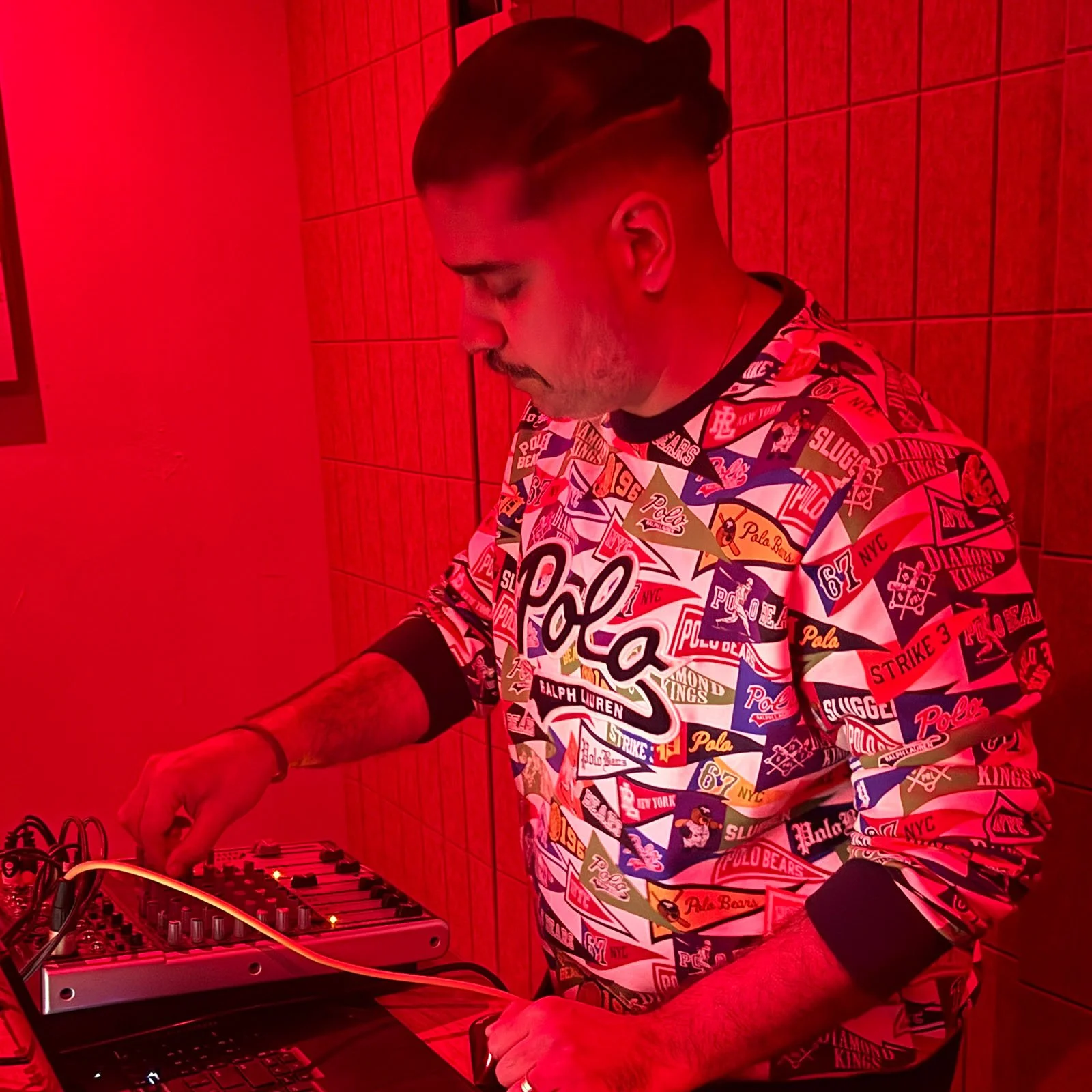
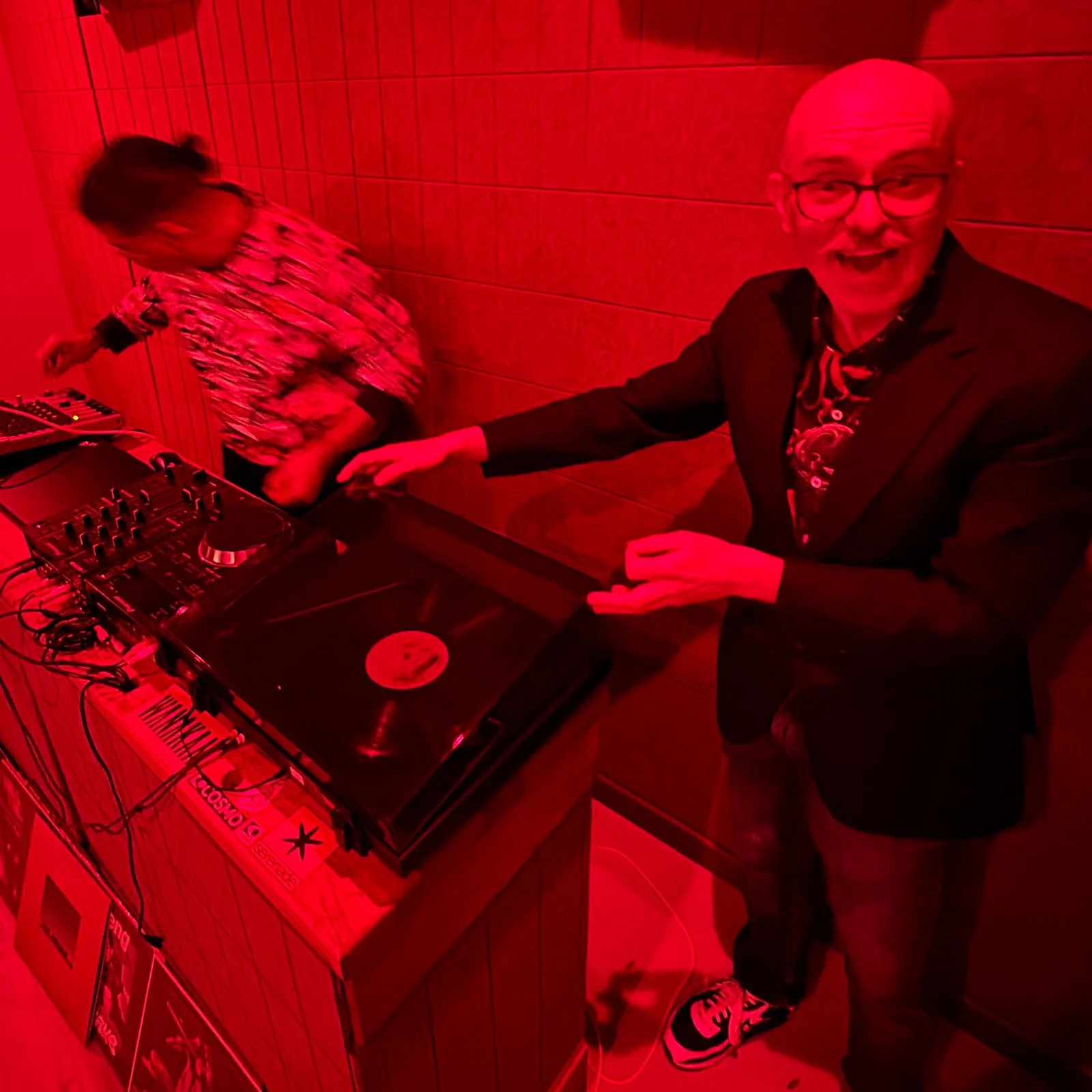
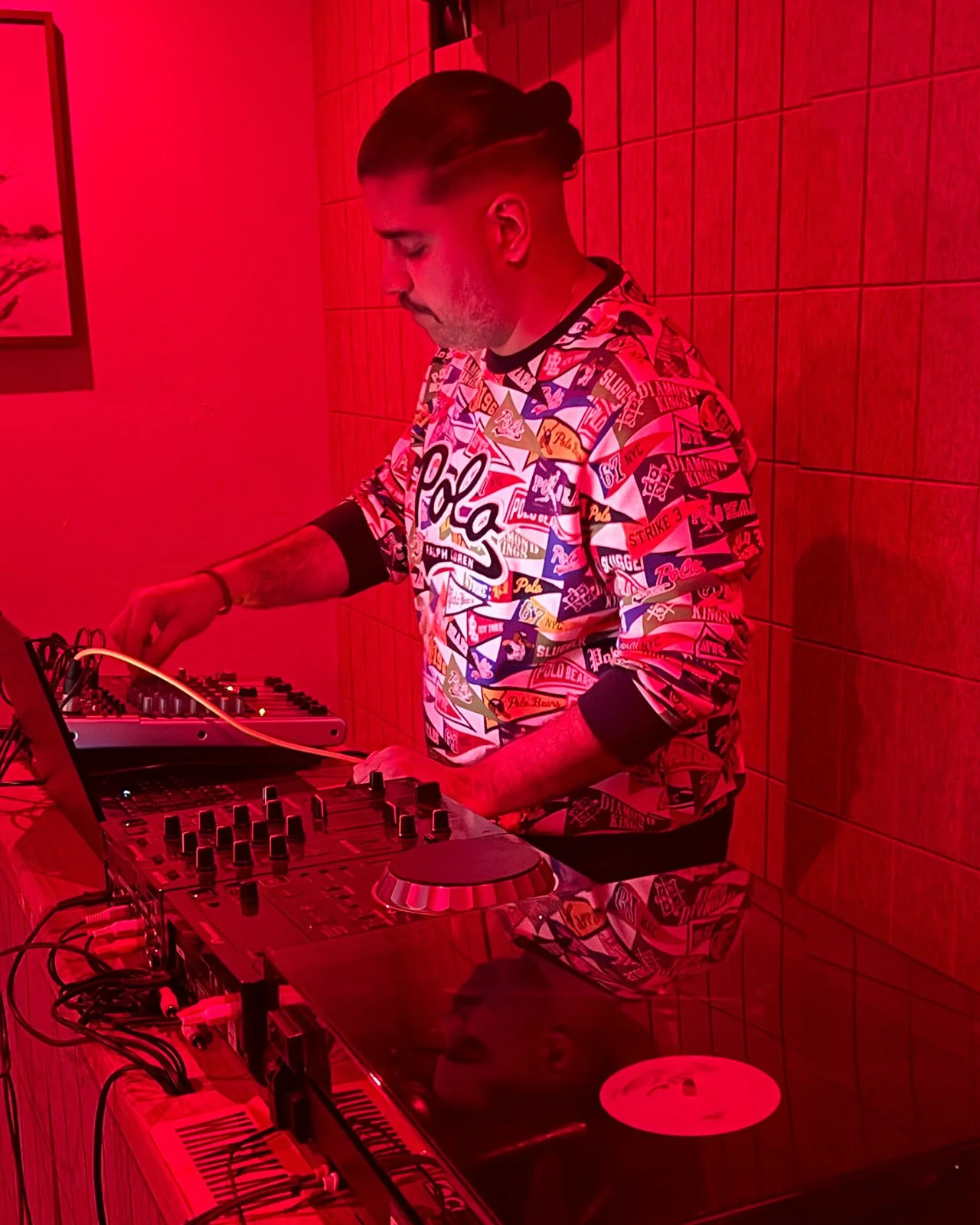
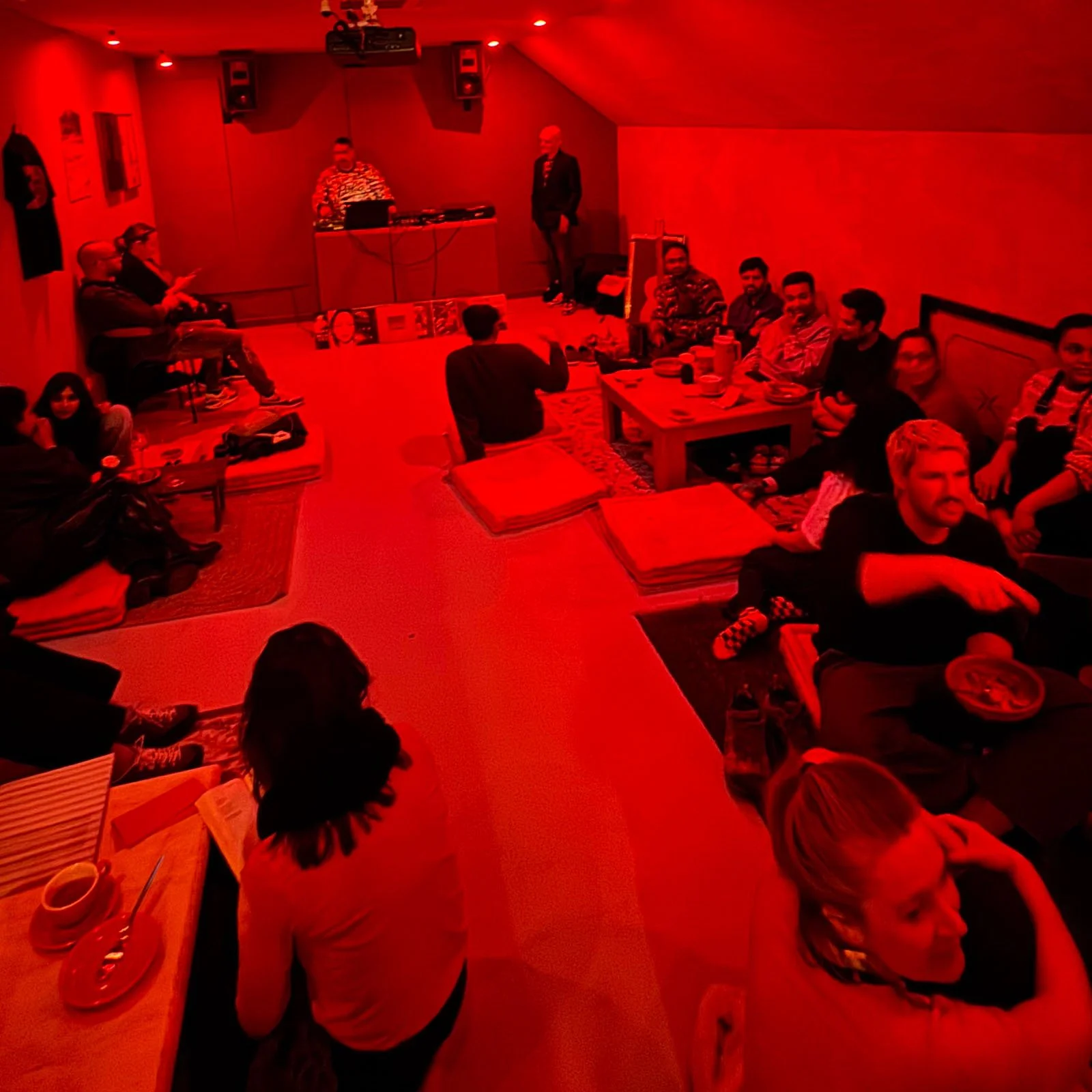
the listening session
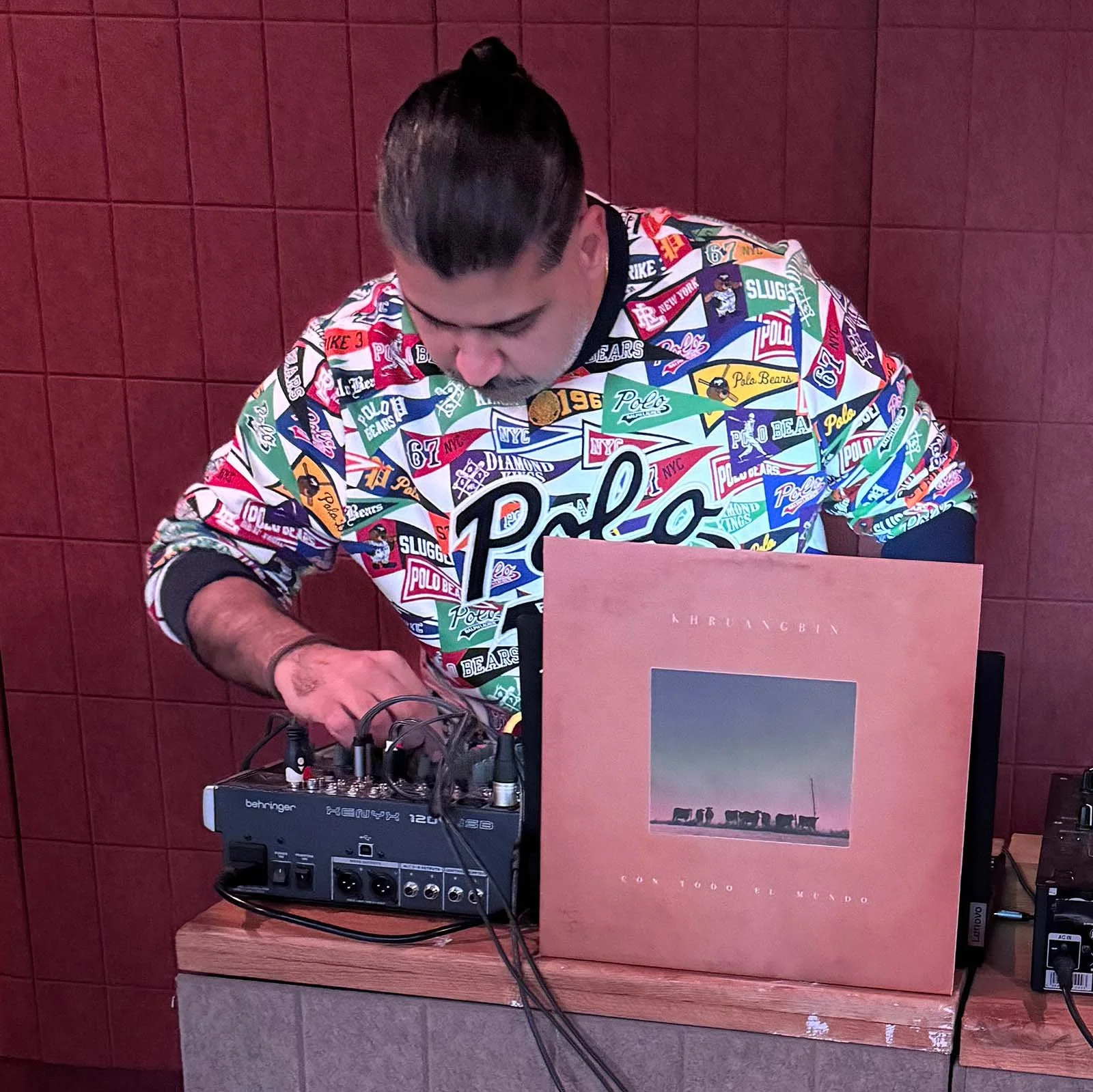
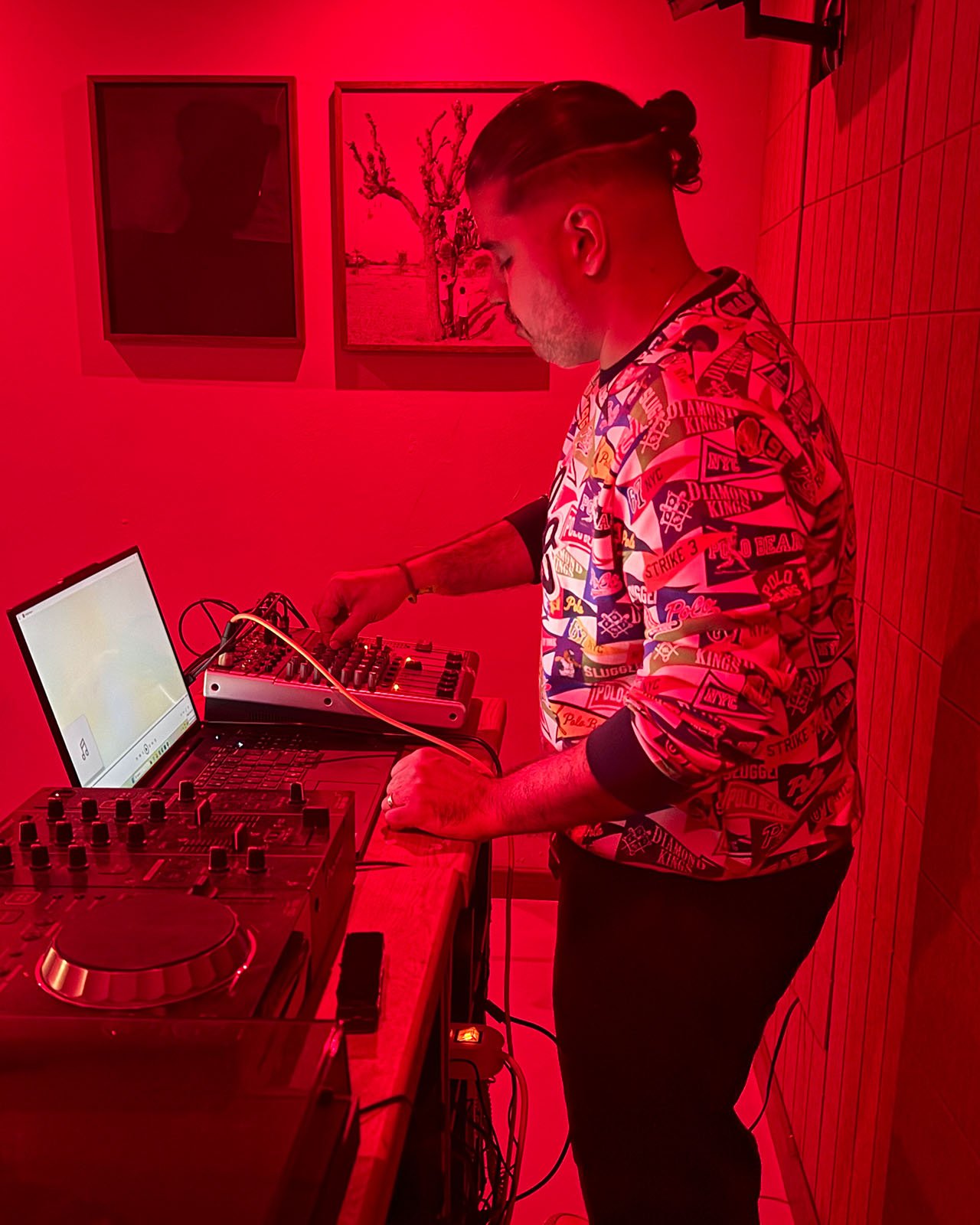
The event was led by Deepak Nichani, who has championed Kissame's vinyl debut from day one.
The listening session gave us a chance to hear 'Bossa Kissa' as it should be heard – in full, in hushed tones.
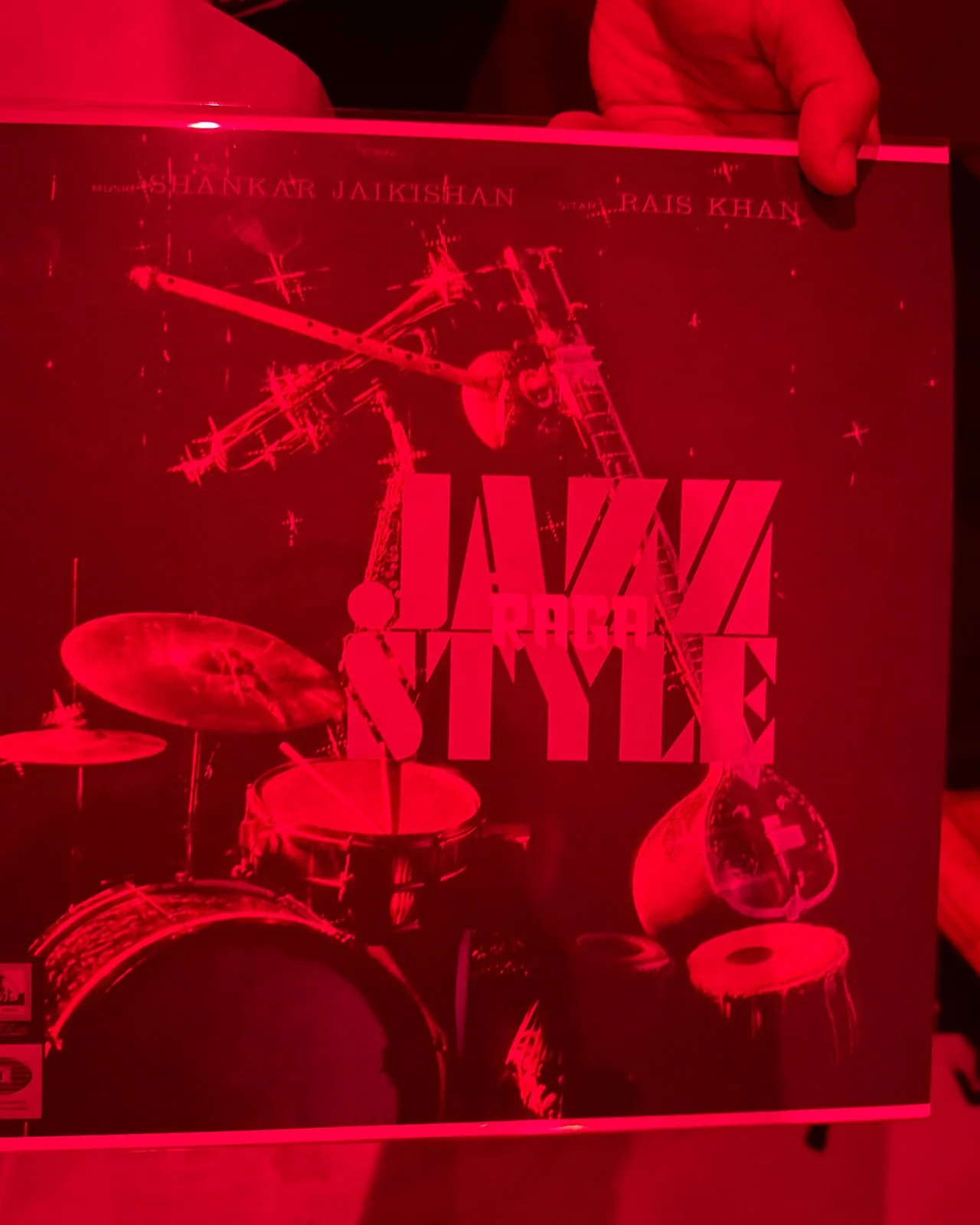
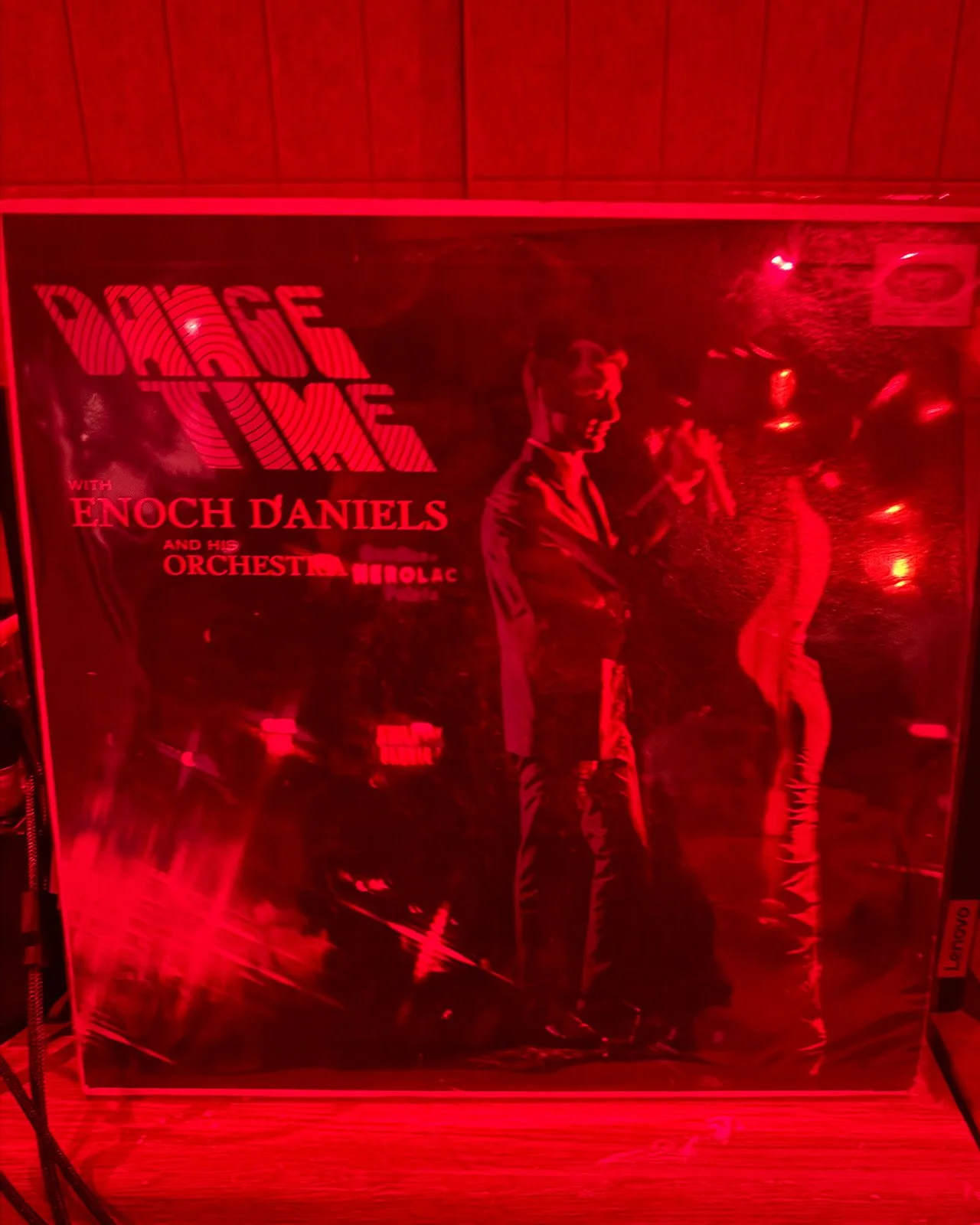
Deepak also played a curated selection from his huge record collection before and after the session, keeping the vinyl groove spinning and beautifully bookending the main show.
For the listening session, Kissame gave us additional audio clips from the 'Bossa Kissa' sessions that are not on the vinyl edition, but which pulled us deeper into the story.
Kissame also sent us his own introduction to the record, which we read before dropping the needle:
"On a winter evening, a woman walks on the pavement covered with snow.
Then, she notices a neon sign she has never seen before, Bossa Kissa. It feels as if it had been hidden until now.
A man stands there with a vinyl record under his arm. She asks him how it can be that she never saw it before. He answers it has been there all the time. She feels a bit scared, it seems mysterious, but she is curious. When he invites her inside, she hesitates, then follows.
Inside, the air is warm, as if she has stepped into another season. The man places the record with quiet care, almost as if performing a ritual.
When the music begins, the room seems to change. They speak little. Instead, they look at each other, and that appears to be enough. The sound fills the space and settles somewhere deeper, beyond words.
When the first side ends, they pause. He offers her a drink with an unfamiliar scent and a bitter-sweet taste, much like the music itself. It lingers.
She suggests they dance. They move without touching. She leads at first, cautiously, and he follows. Gradually, the sense of leading dissolves, and they move as if guided by something shared but undefined.
When the record reaches its end, they step outside. It is already light, but not the light of winter. The air carries the softness of early summer. It feels as though, somewhere during the listening, they have crossed from the northern to the southern hemisphere.
The music remains with her, even in the quiet. And she senses that it will stay, long after the place disappears again."