Waxwell Records
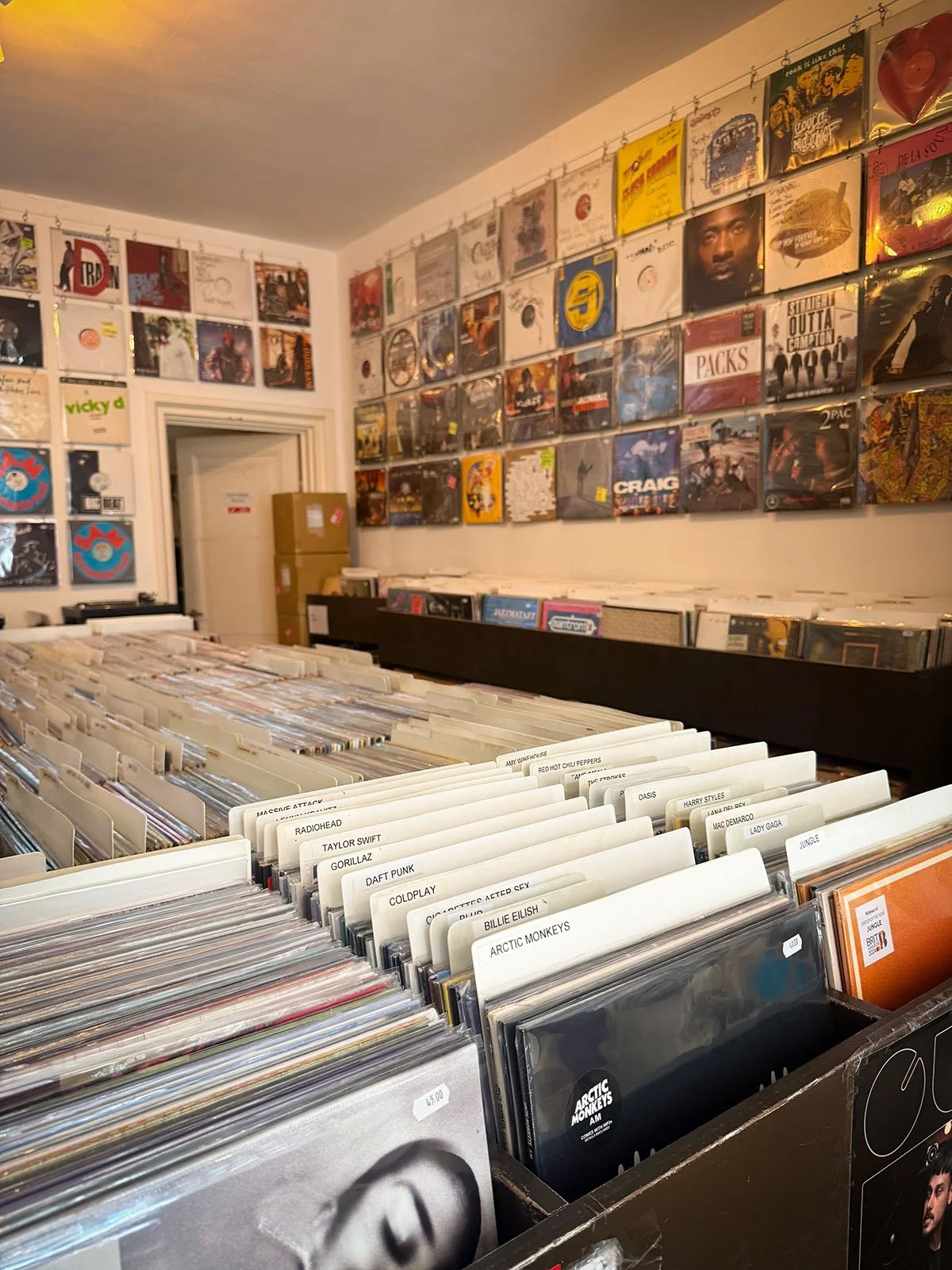
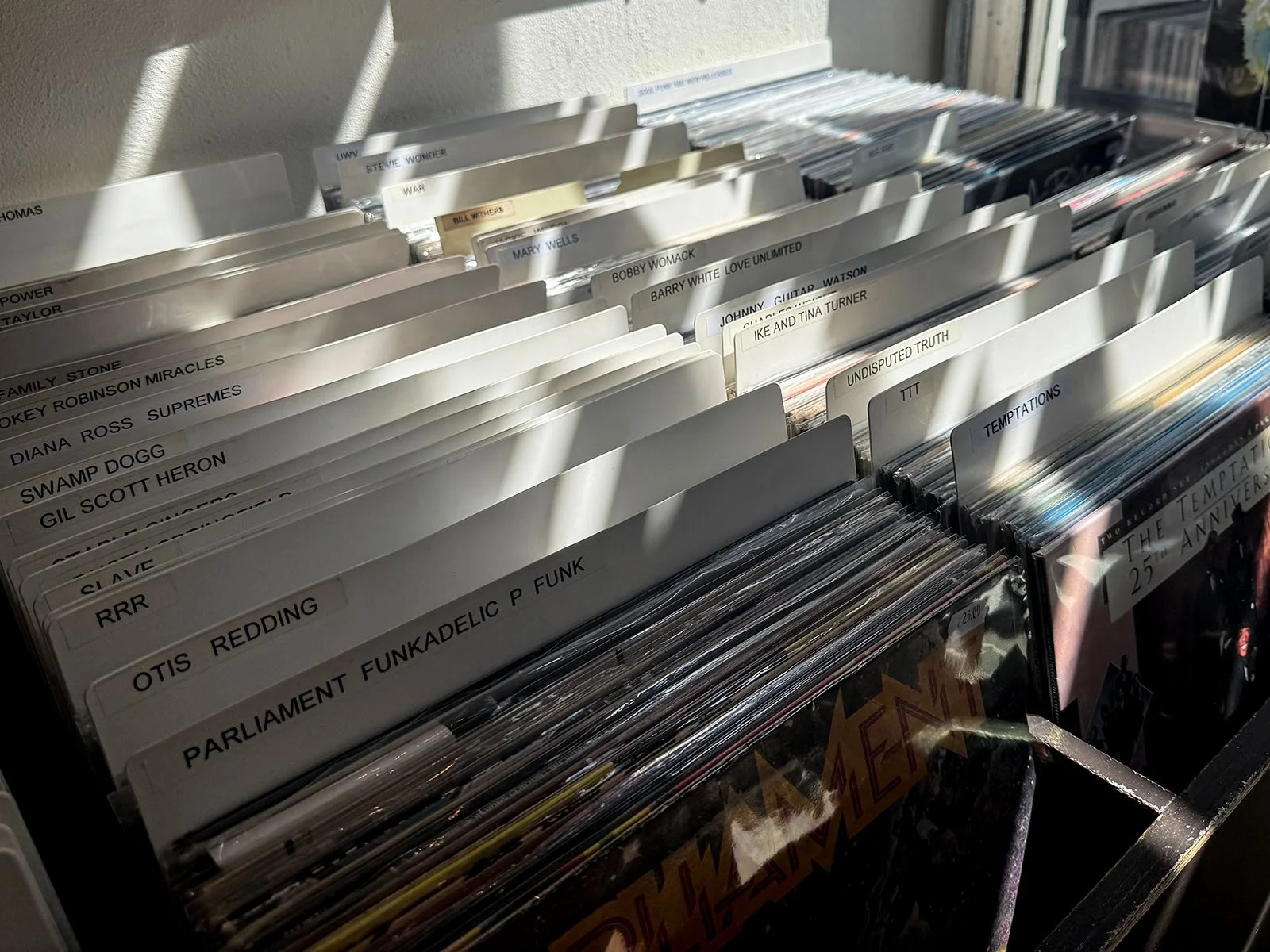
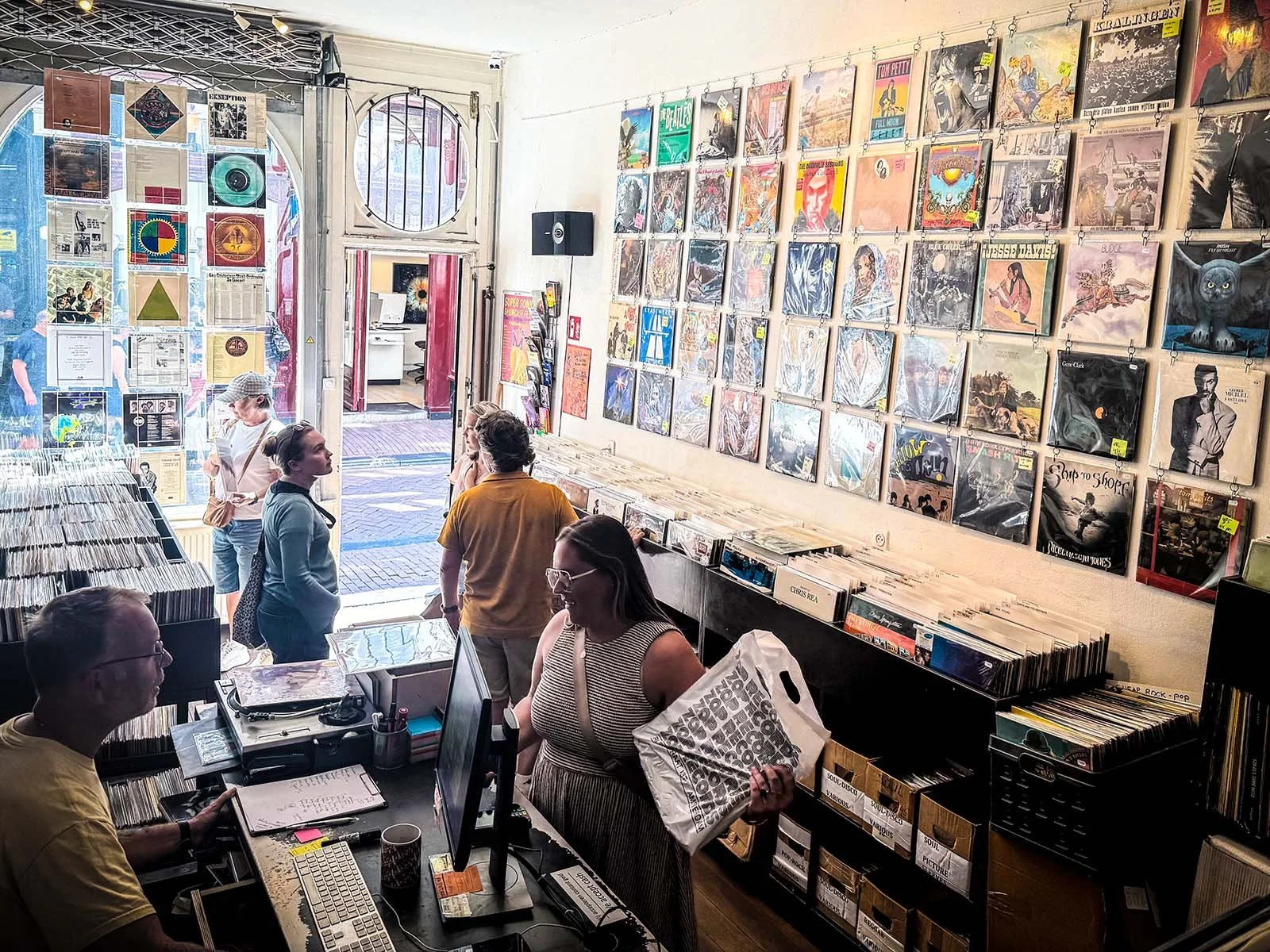
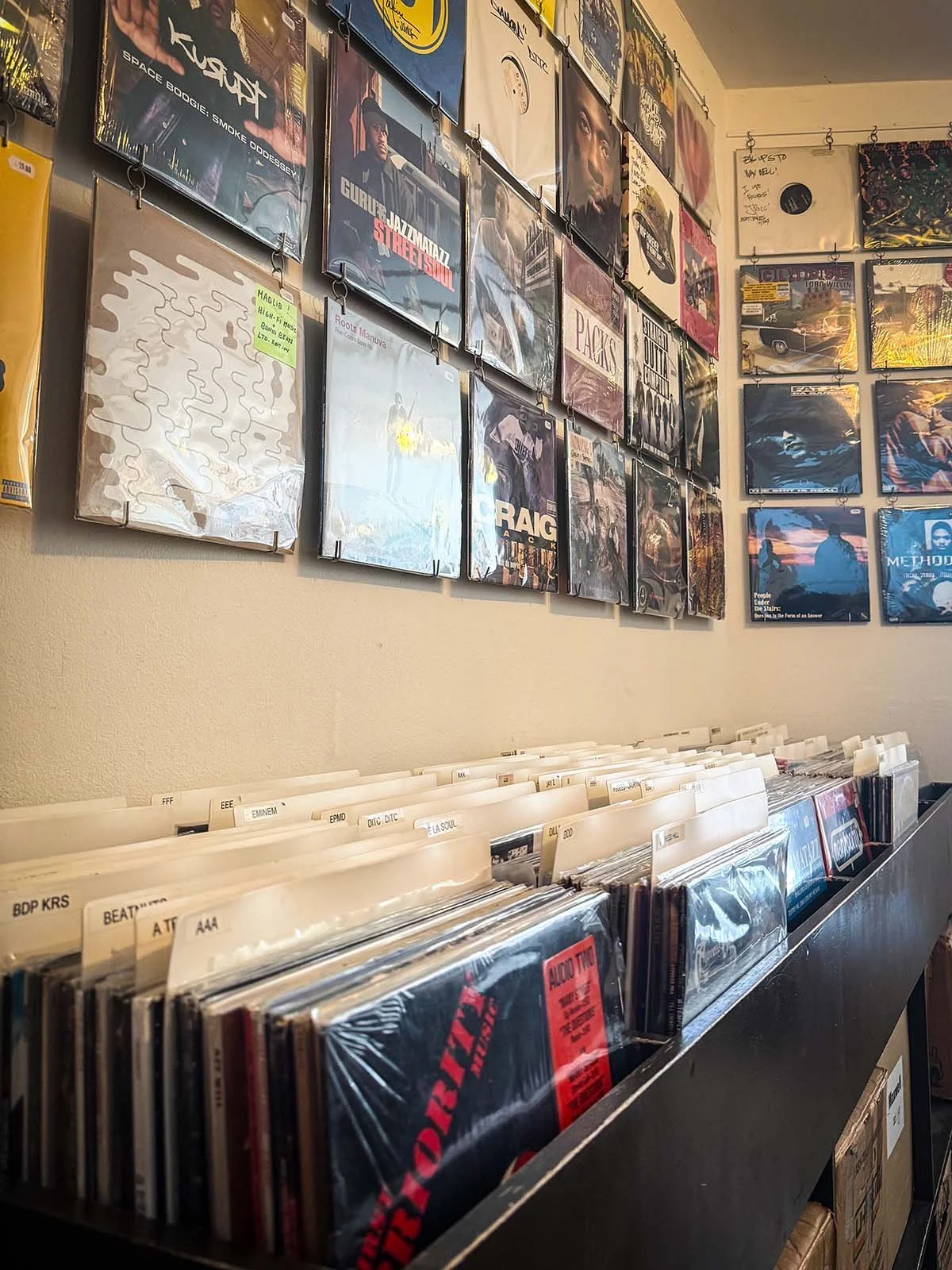
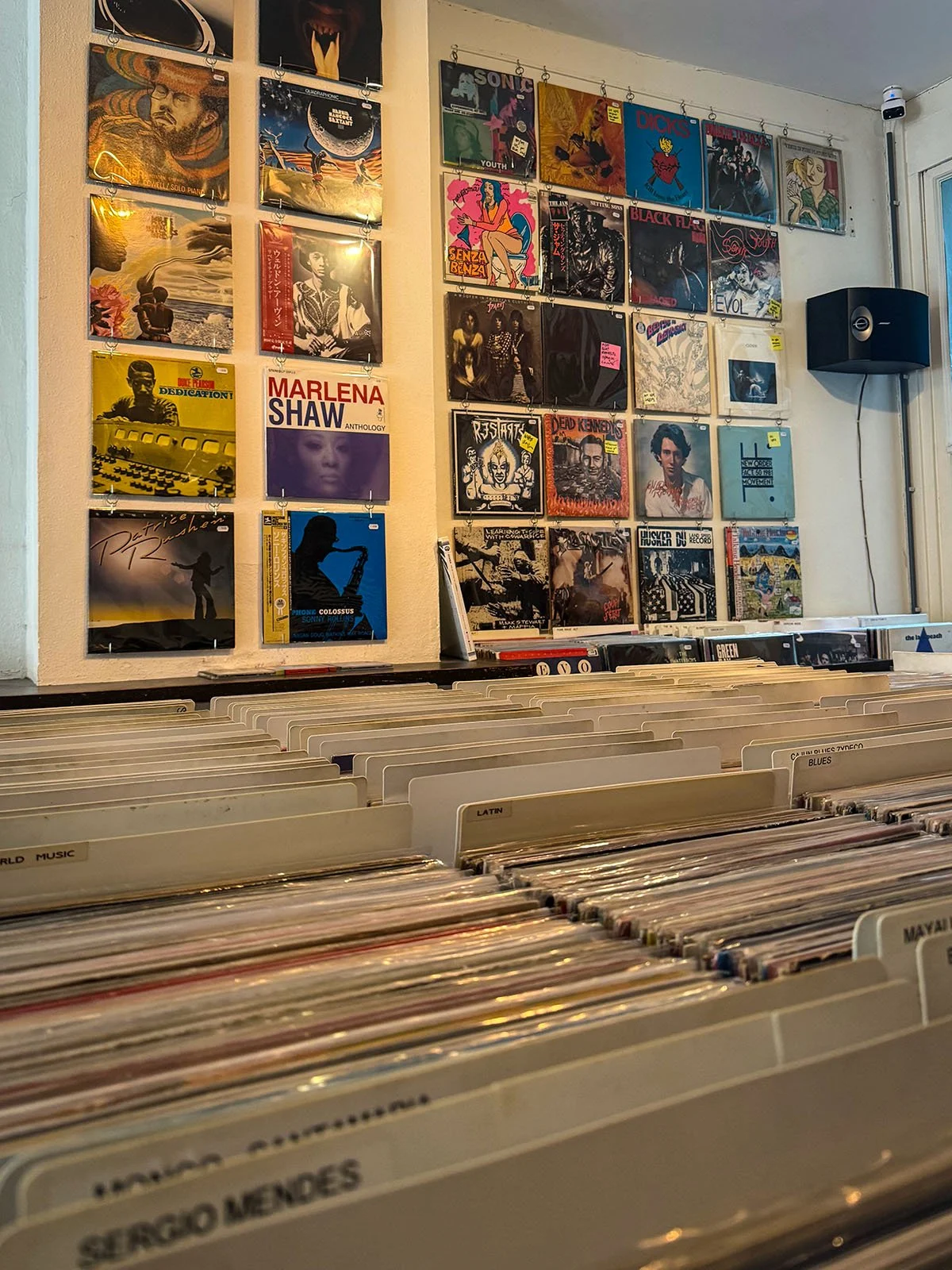
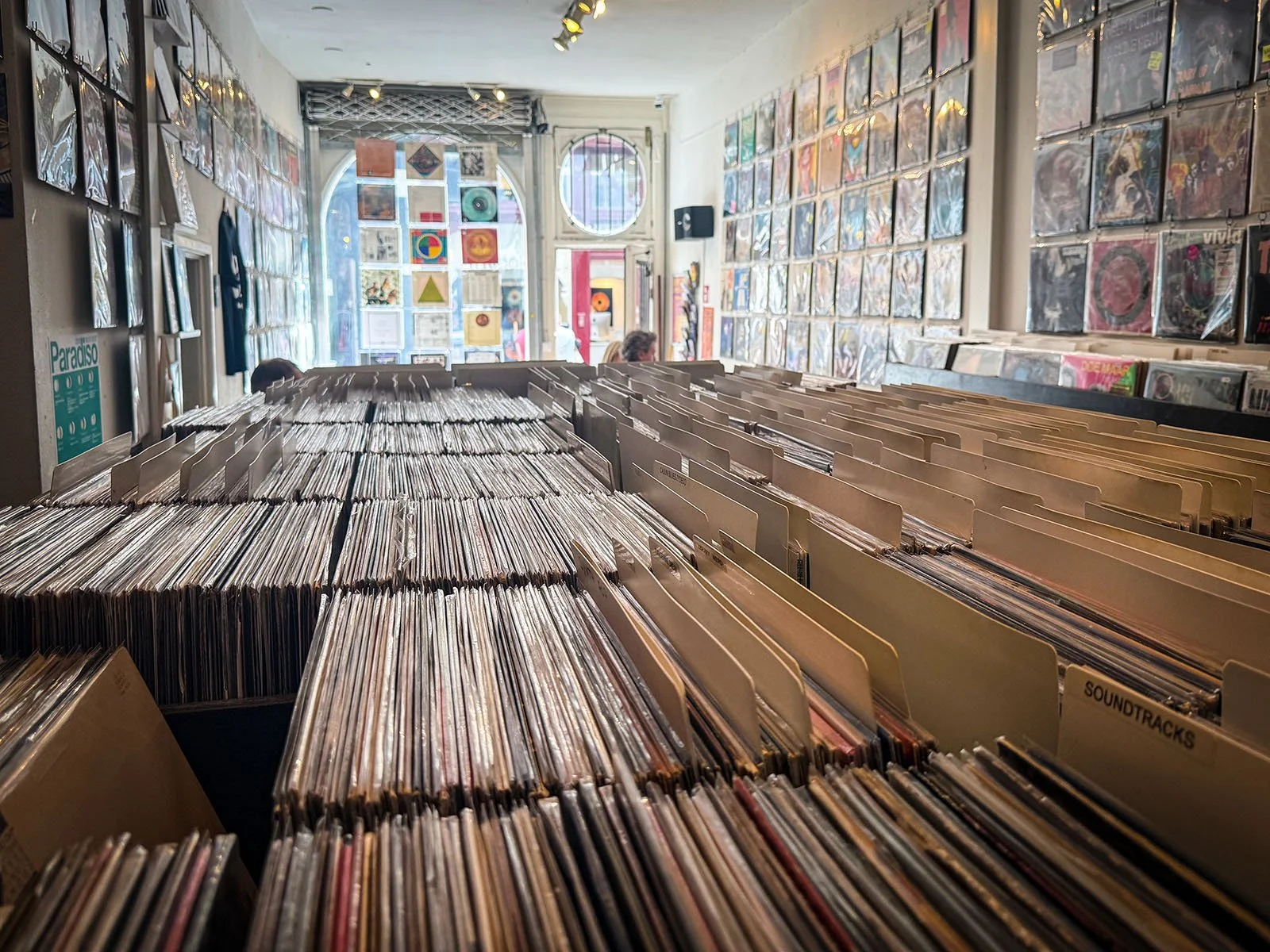
For more than 20 years, Waxwell Records has been attracting collectors from around the world in search of soul, jazz, funk, hip-hop and rare original pressings.
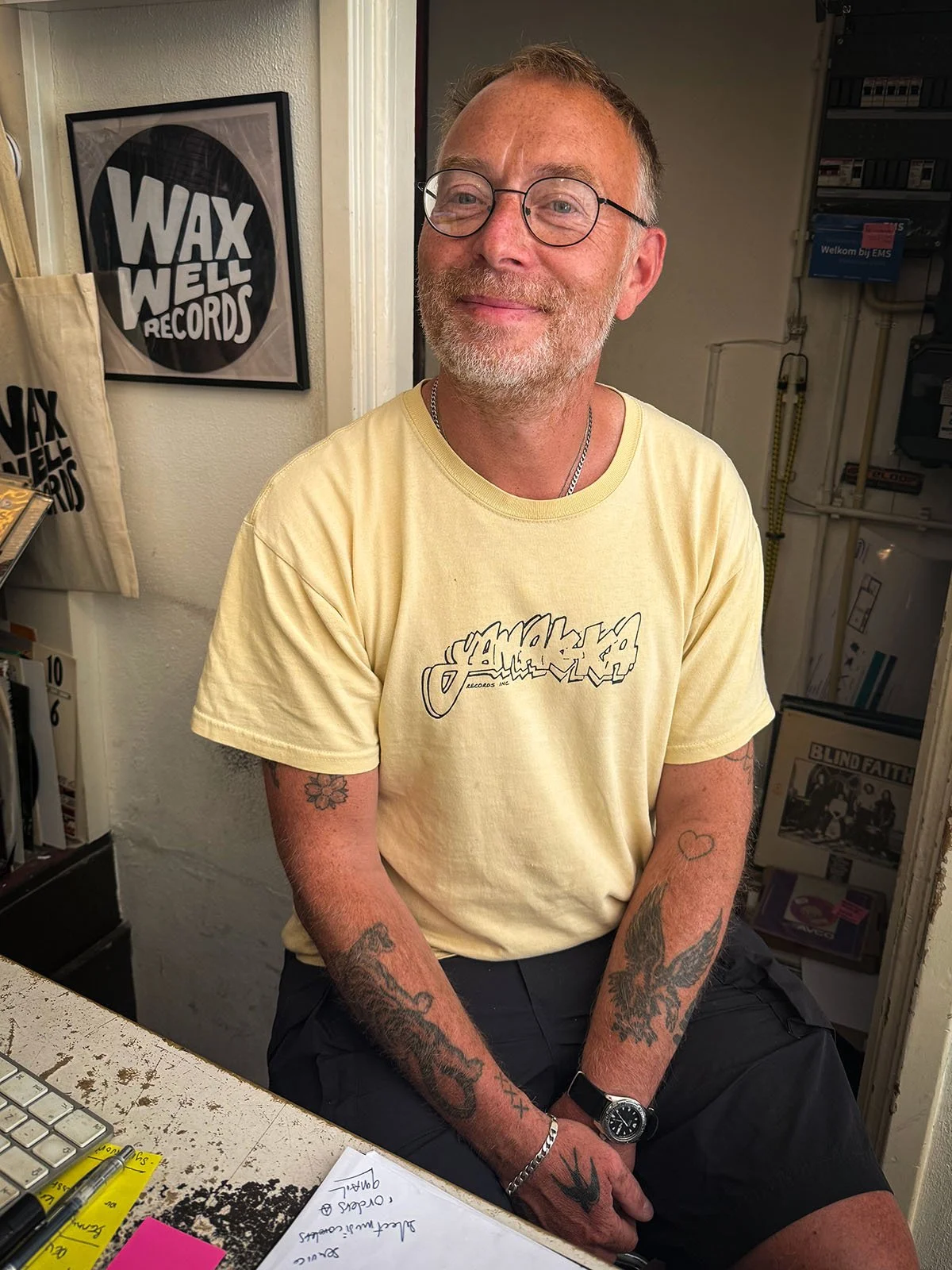
Owner Taco Fett first discovered vinyl as a teenager before turning his passion into a career in the early 2000s. Having weathered the dark years when many people abandoned records for digital music, he's also had a front-row seat for vinyl's remarkable resurgence.
Yet despite rising prices and increasingly scarce collector's pieces, his philosophy has never changed: the best records belong in the hands of customers, not hidden away behind the counter.
We sat down with Taco to talk about building one of Amsterdam's longest-running independent record shops, buying records around the world, the changing culture of collecting, and why the best record shops are the ones you can't wait to visit again.
visit Waxwell Records at Gasthuismolensteeg 8, 1016 AN Amsterdam. Open every day 11:15 to 18:00
follow Waxwell Records on Instagram, @waxwellrecords
An interview with Taco Fett, Waxwell Records
I love hearing the stories behind record shops and how people go from collecting records to owning their own store. How did it all begin for you?
I've been buying records ever since I was a kid.
I’m originally from Amsterdam, but my parents moved out of the city in the 1970s. In around 1990 I moved back to Amsterdam to study at university, and I found myself spending a lot of time buying vinyl and visiting record stores.
Around that time I also started DJing in small bars and clubs, which was a great outlet for me. Of course, you need a lot of records to be a DJ, which gave me the perfect excuse to keep expanding my collection.
When I was hanging around record stores I got to know an English dealer called Lee, who had a tiny shop next door here on Gasthuismolensteeg. It was only half the size of our current store and there was really nothing there – just boxes of records all over the floor.
At the time I’d graduated from university and was working in a bar, but I was thinking about doing something different with my life. I realised I was already spending all my time in record shops, so I thought, “Why not make a living from it?”
Lee wanted to develop his shop, but he couldn’t do it alone. So we teamed up with another English guy called Craig and opened a store called Kids Love Wax.
That partnership only lasted a couple of years, but afterwards I met my current business partner, Sjoerd Reinsma.
He was a private dealer, but did not have his own store. He was going to lots of record fairs and travelling regularly to the United States, bringing back records that you couldn't find anywhere else in Amsterdam. We worked really well together, took over the shop and renamed it Waxwell Records.
That was in 2005, so I suppose we're one of the veteran record shops in Amsterdam now.
So you've also been in this location for quite a while.
We’ve been here for about 10 or 15 years.
Originally we were next door, but the building needed major foundation work. We could have moved out during the renovations and returned afterwards – but as the work could take a couple of years, we started searching for a new store and looked at places around the city, including shops on Zeedijk.
But, around the same time, I bumped into the woman who was renting the building we’re in today. She was a distributor of records and CDs, and wanted to use the store as an outlet.
She didn’t have much stock – only a handful of records, CDs and artwork for sale. She told me she was looking for someone to take over the space, and the timing was perfect.
It was unbelievable – sometimes everything just falls into place!
I've always been grateful it worked out that way because this shop suits us perfectly.
How would you describe Waxwell Records to someone visiting for the first time?
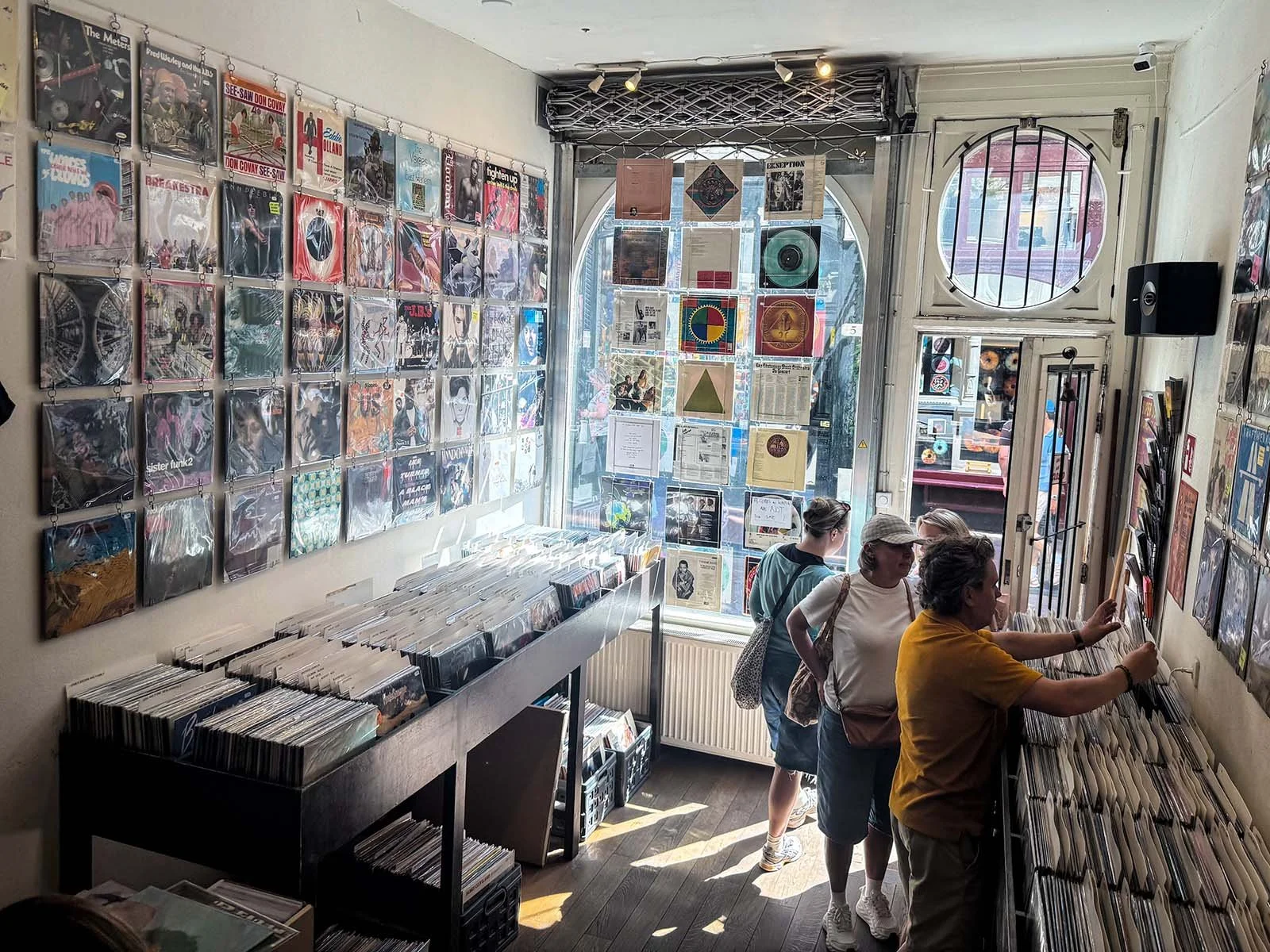
We try to offer a bit of everything, but black music is definitely our main focus.
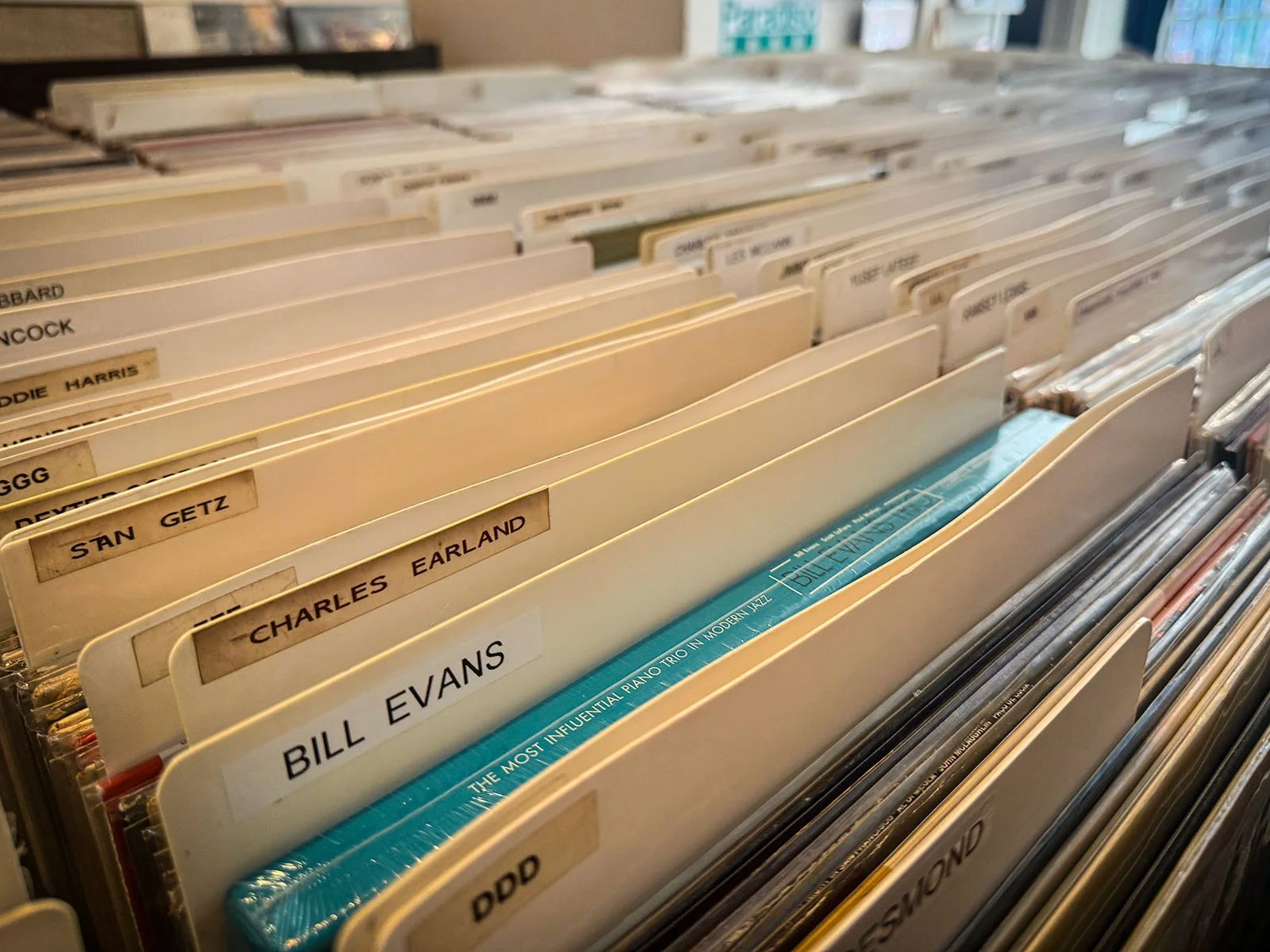
We have a lot of soul, jazz, funk, blues and hip-hop, alongside classic rock and plenty of other genres. We also stock both new and second-hand records, from affordable everyday albums right through to serious collector's pieces.
One of our strengths is that we still travel constantly to buy stock.
We visit the United States every few months and Japan once a year, and we've been doing that for decades. That means we can keep finding records that don't often appear in Europe.
We try to have something for everybody.
What records tend to fly off the shelves?
What people tend to collect most is classic albums in excellent condition.
Albums like ‘What's Going On’ by Marvin Gaye, and records by Gil Scott-Heron, Eddie Kendricks and Donny Hathaway never stay around for long if they're clean originals. The same goes for artists like Fela Kuti or Funkadelic.
Over the years I've noticed that condition has become much more important to record buyers.
Twenty years ago people were just happy to find a record they wanted. Now serious collectors are prepared to pay serious money – but they want beautiful records.
Even albums that sold millions of copies are collectable if they’re in mint condition or sealed – albums from people like Neil Young or Aretha Franklin.
The problem is that these records are getting harder and harder to find.
If records are in great condition, they disappear into private collections and often never come back onto the market.
I talk to collectors from around the world, and it’s getting harder and harder to find copies of many records in good condition.
Vinyl from around the early 2000s is also very expensive because nobody was buying records at that time, and only a handful of copies were pressed.
You've seen vinyl go through some difficult years. Did you ever think opening a record shop may have been the wrong decision?
Definitely. There was a period when many DJs switched completely to digital, and suddenly a lot of my regular customers disappeared.
After five years running the shop, I remember wondering whether I'd made the right decision.
Then things slowly changed again.
Today you see everybody buying records – young people, older collectors, complete beginners. Vinyl came back in a way nobody expected. I also sell a lot of CDs, particularly to young people because they’re less expensive.
You can listen to music on YouTube or Spotify, but people buy records because there’s a certain X factor – whether it be the sleeve, the better sound quality of whatever. It makes you want to own the actual record.
So I'm very happy I stuck with it, and I still love records as much after all these years.
So you still collect records yourself?
Absolutely. I still DJ around Amsterdam and run a monthly radio show on Echo Box called ‘The Heavy Heavy Radio Show’, so I'm always buying records to play.
The difference is that my taste has changed over the years. I used to buy lots of hip-hop. Now I buy more soul, and often I’ll find myself buying an entire album for one particular track.
The list of records I'm still searching for never really gets any shorter.
The difficult part is that the records I've wanted for years just keep getting more expensive.
Are there are more opportunities for DJs in Amsterdam these days?
There are many bars and restaurants now that have really nice decks and want to create a vinyl experience, which is a cool thing.
The great thing about these places is that you get a lot of young people experimenting with DJing on vinyl.
You have places where the chef and other staff are playing records for customers, and they’re getting great DJ experience and working out which records go well together.
Have you ever sold a record and immediately regretted it?
Of course. There was one rare hip-hop compilation from 1998 called 'Culture Shock International' I'd been searching for for years.
I finally had two copies in the shop, but a good friend wanted one even more than I did – so I sold it to him.
I still regret it a little, and now it sells for something like 300 euro.
Sometimes you also sell records without realising quite how special they are, then a few years later you think, “Oh shit, man. I should have kept that."
But you have to remember it's also a business.
One thing that's always been important to me is making sure the best records actually reach the customers.
Years ago there were shops in Amsterdam where the owners quietly kept all the interesting records for themselves. That never felt right to me.
People come back because they know they'll always find something exciting in the racks. Some of our customers visit the store twice a week, so we need to make sure the stock is always changing.
We also have something like 25 million tourists passing through the city every year, so it’s import to keep things fresh.
Because you buy so many second-hand records, have you ever discovered anything unusual inside a sleeve?
Quite a few things – photos, handwritten notes, scribbles on the labels, signed records.
One customer bought a Jimi Hendrix album and, when he pulled it out of the sleeve, an original Hendrix concert ticket from 1968 fell onto the floor.
I hadn't even noticed it was there. He was thrilled, so I told him to keep it.
Also, because we buy a lot of records from the US, we often find reefer butts and little bags of weed inside sleeves.
That's part of what makes second-hand records so interesting. Every one of them has already lived a life before it reaches you.
Personally, I don’t need mint condition records. I actually don't mind if records are a little worn and show a bit of history. As long as they play well and don’t skip, a few marks or someone's name on the sleeve don't bother me at all.
I think that gives records character.
Do you ever meet customers who are completely new to vinyl?
More often than you'd think.
Amsterdam attracts visitors from all over the world – Africa, India, China – and occasionally somebody comes into the shop who's never actually handled a record before.
You explain how it works, put it on the turntable, and then they ask, "Is there another side?"
As vinyl has always been part of my life, it’s kind of shocking to me – but I always smile when that happens.
Finally, I always end these interviews by asking the same question. Complete this sentence: "A great record shop is..."
Somewhere you want to come back to.
I've visited record shops all over the world, and the really good ones are the places you're excited to visit every time you're in that city.
The stock is always changing. There's always something new to discover.
That's what keeps people coming back – and that's what makes a great record shop.