RUSH HOUR Records
Over the past three decades, Rush Hour has grown from a small Amsterdam record shop into one of the most influential names in independent music.
Alongside its celebrated store on Spuistraat, Rush Hour runs a respected record label, distribution network and publishing arm, helping both forgotten classics and contemporary artists find new audiences around the world.
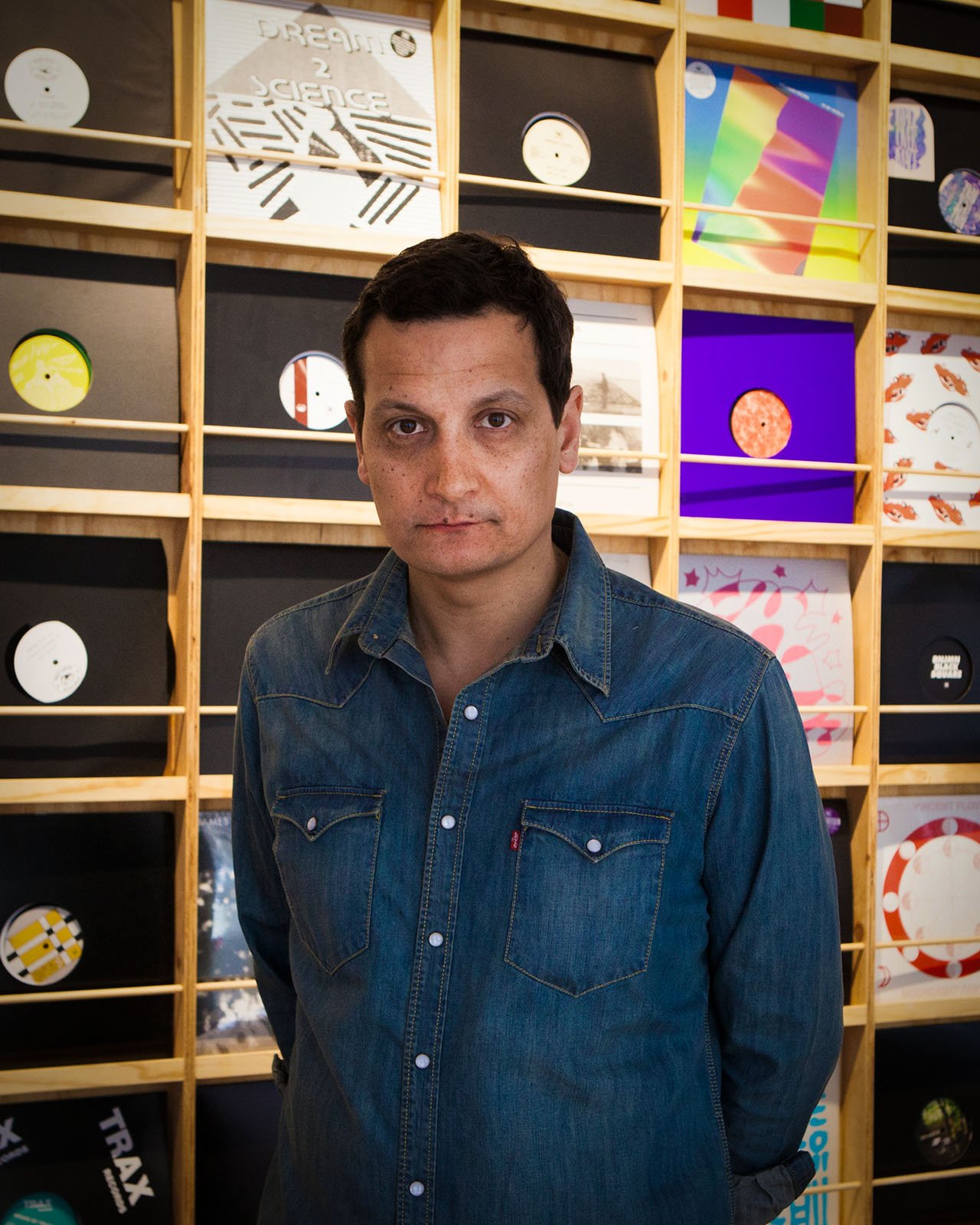
At the heart of it all is co-founder Antal Heitlager. As well as running the business, Antal has built an international reputation as a DJ, carrying the same open-minded approach to music behind the decks that has shaped Rush Hour's distinctive identity.
Whether releasing obscure gems, supporting new artists or filling the shop with records from every corner of the globe, curiosity has always been central to the Rush Hour story.
We caught up with Antal to talk about building Rush Hour, Amsterdam's changing vinyl scene, travelling the world in search of records, and why great record shops are about far more than simply buying and selling music.
visit Rush Hour Records at Spuistraat 110, 1012 VA Amsterdam. Open Monday 12:00 to 18:00, Tuesday to Thursday 11:00 to 18:00, Friday and Saturday 11:00 to 19:00 and Sunday 13:00 to 18:00
follow Rush Hour Records on Instagram, @rushhourstore, and Antal @antalheitlager
An interview with Antal Heitlager, RUSH HOUR Records
I love hearing the stories behind record stores, and how people go from collecting records to launching their own shop. What was your journey?
My story is that I had such a hunger and interest in music that I tried to get involved with it every day.
Soon after I started the record store with my partner at the time. He left in 2012, but a large part of the team stayed and we progressed into what Rush Hour is today.
Flipping records for fun and a little bit of profit made me get closer to the music and made it possible to buy more records. Basically getting high on what supposed to be the supply!
As Rush Hour has been around since the late 1990s, you’ve seen vinyl’s dark years and its recent renaissance. How different are today’s customers from those who visited in the early years?
I've seen vinyl go down and up multiple times.
Right now there's definitely a wide interest in the deepest stuff – more than I've ever seen before. You can see that as the prices are going up. Records that used to be a couple of euros are now worth 20 or 30 euros, for instance.
So many younger generations joined, but the stock of old records is not getting larger. As time goes by some records are even becoming antique and wanted – so they've become quite expensive.
How would you describe Rush Hour Records to anyone who hasn't visited your shop before?
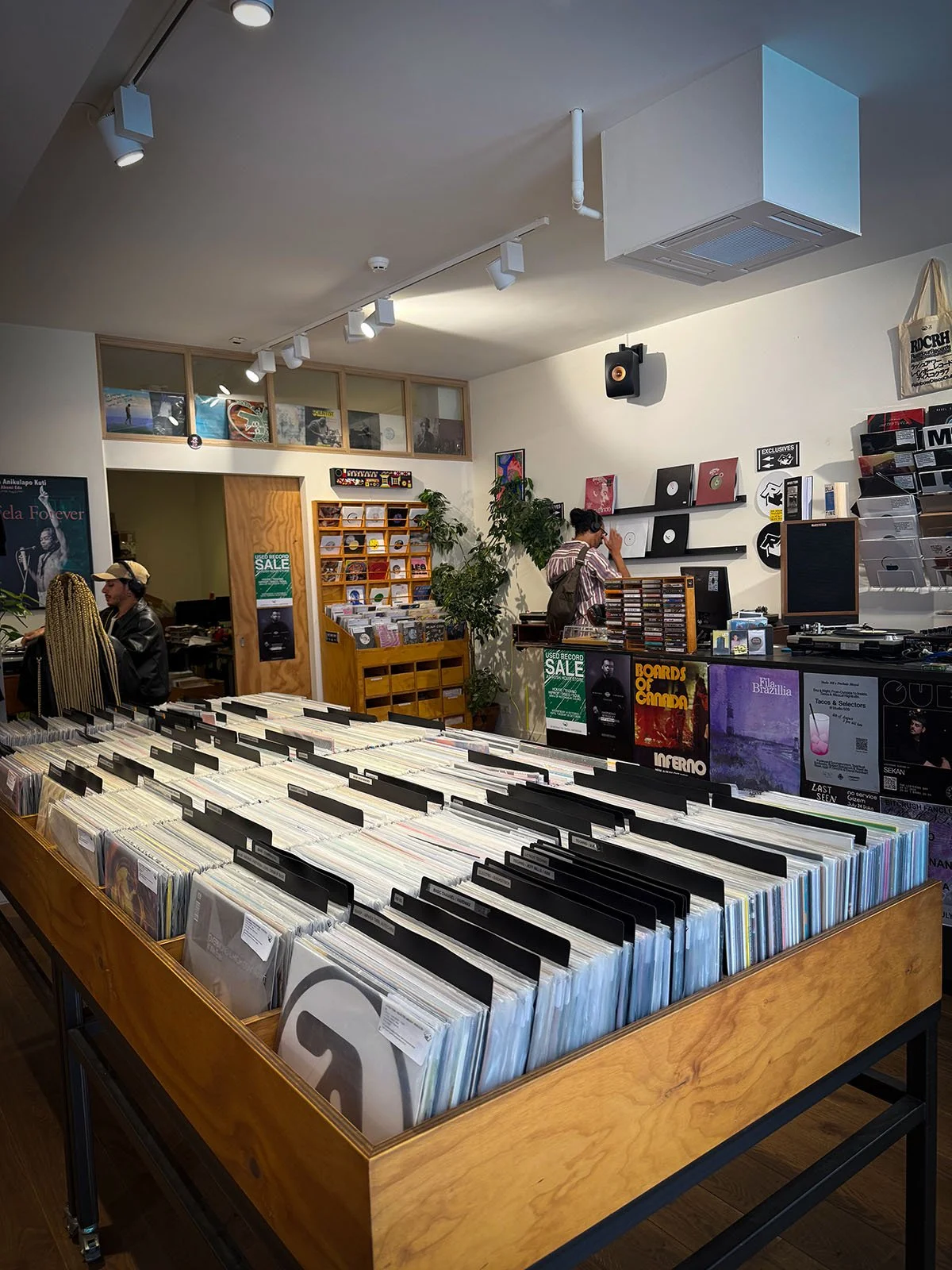
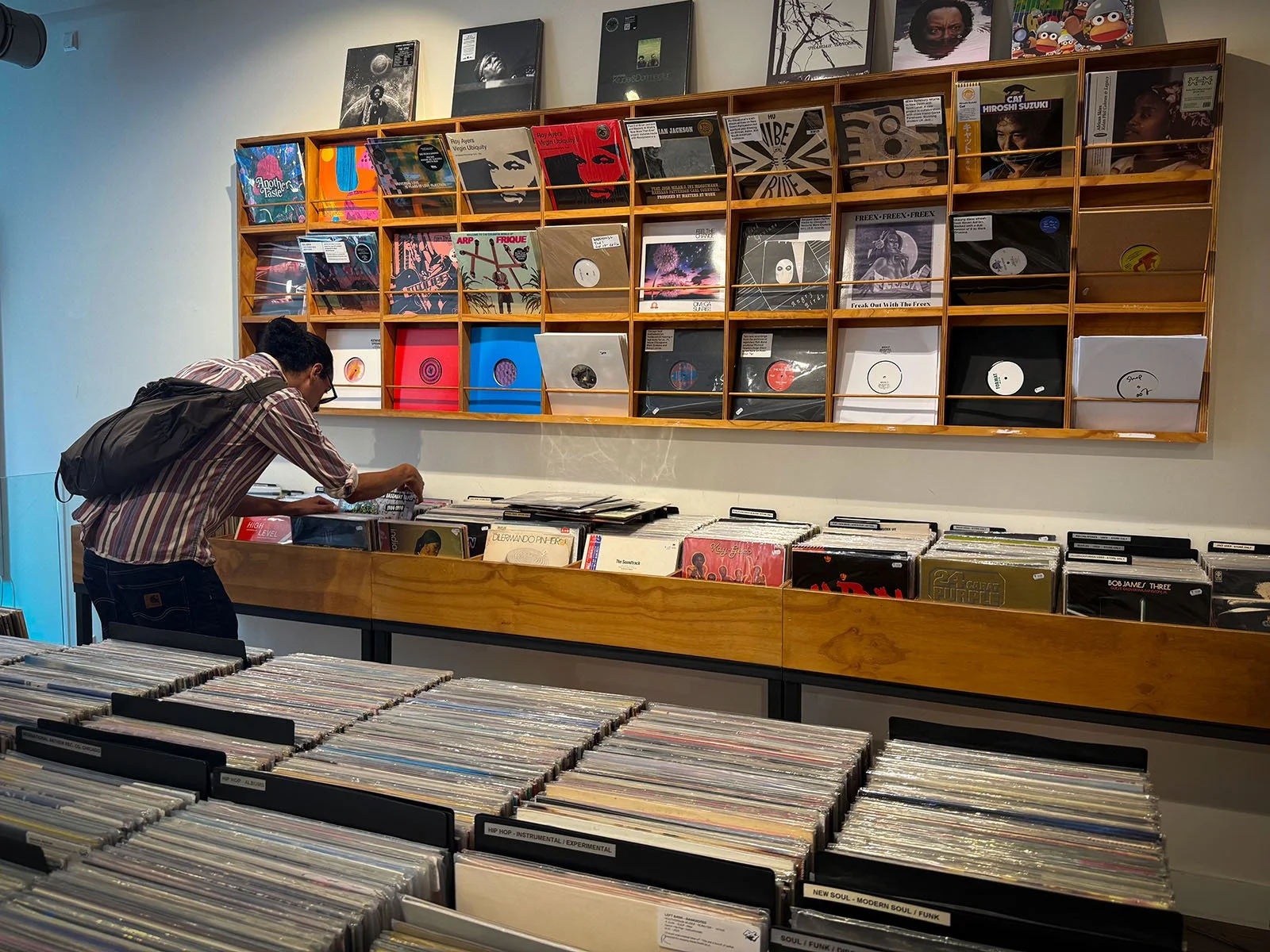
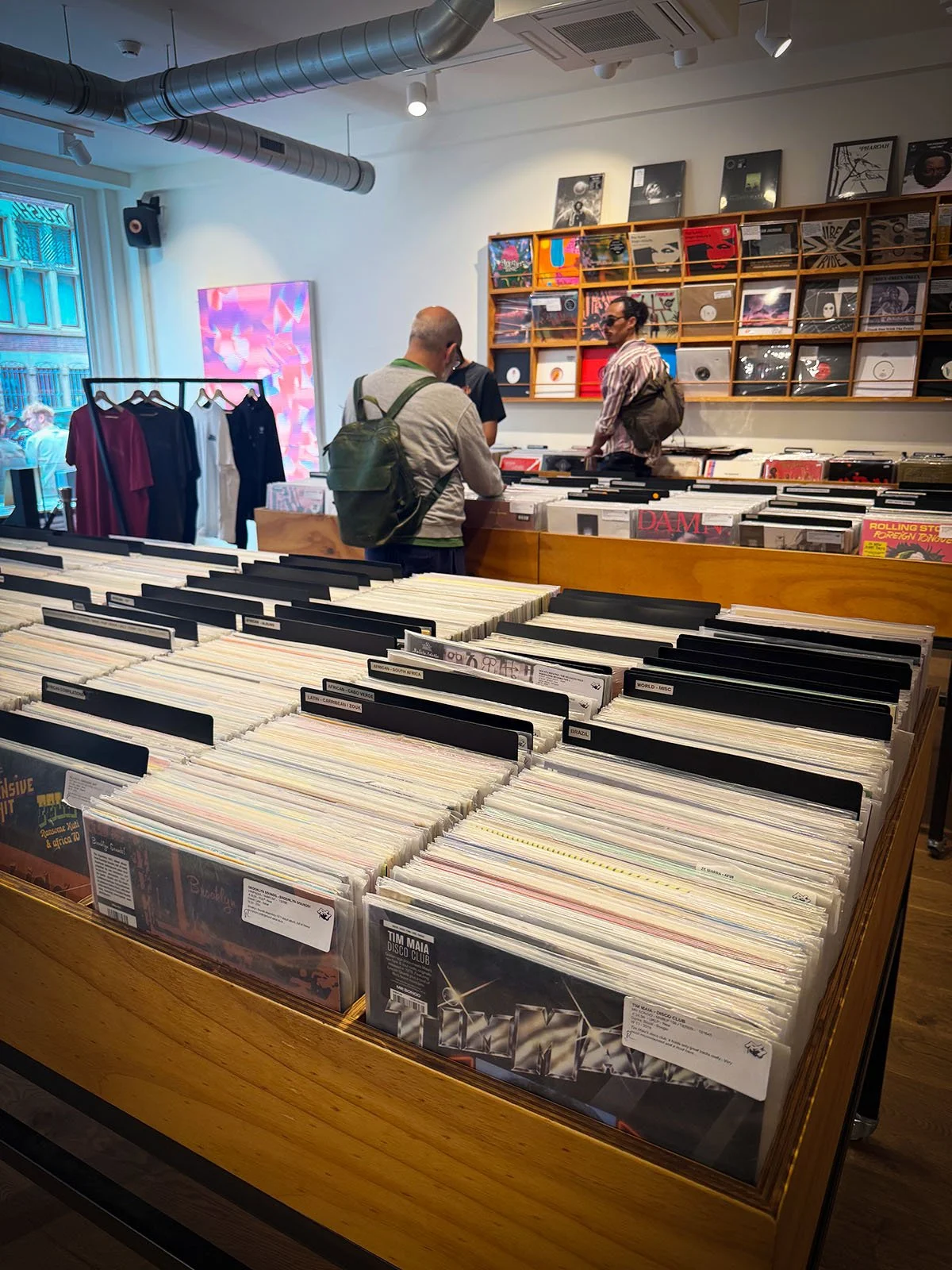
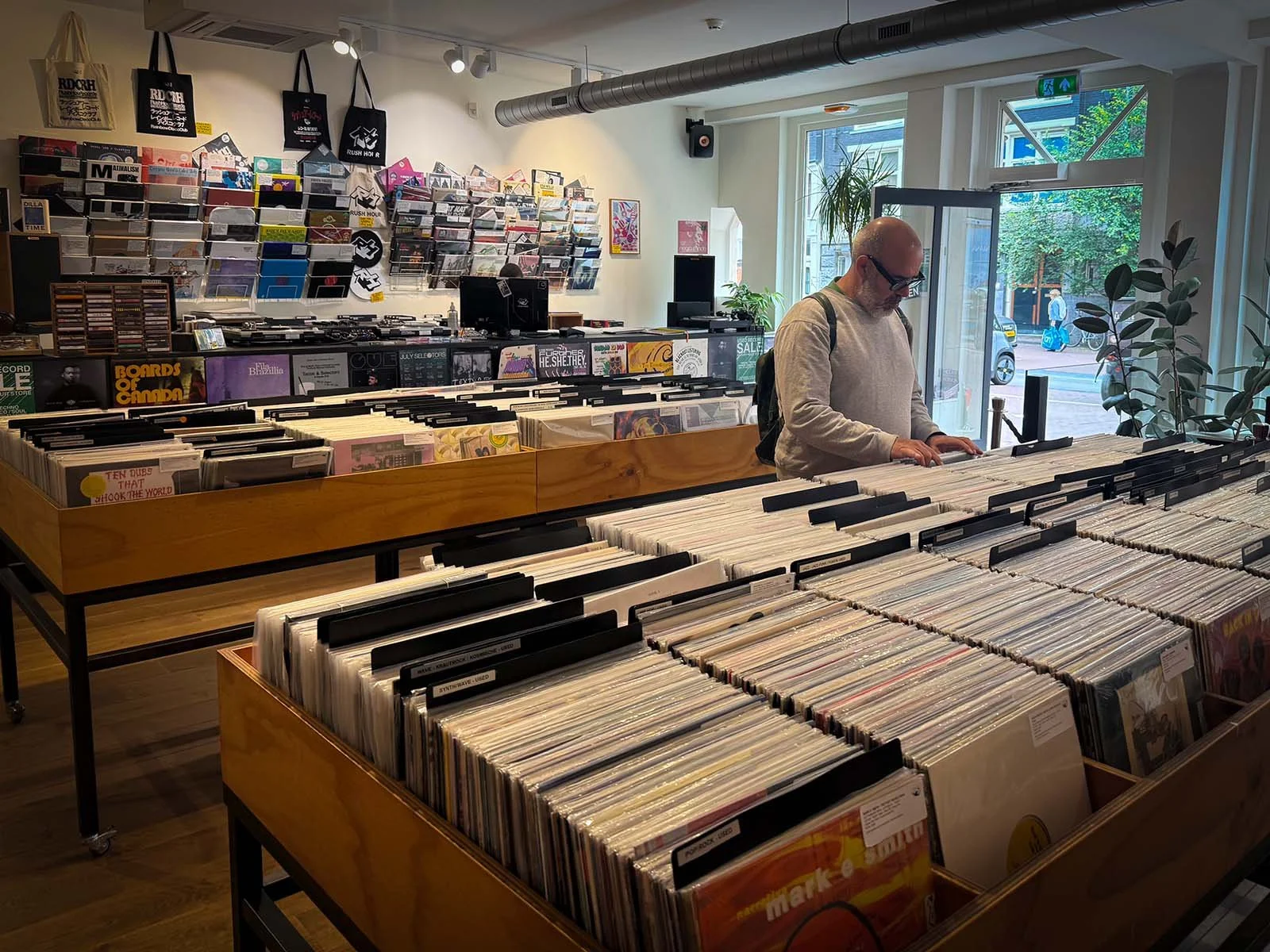
We're a hub for local and international music in Amsterdam. Our store is a get-together for like-minded individuals who love to dig for music. We learn from our customers too, so we really see it as an ecosystem where music lives!
Tell me a little about your customers – who comes through the door on a typical day and what are they looking for?
We're traditionally an import store with music from the USA, UK and the rest of Europe. This means that we always had a lot of DJs come and visit our store to buy the latest 12-inches.
Over the years that changed also, more in the direction of demand for albums. So I'd say it’s a healthy mix of DJs, collectors, regulars, visitors and tourists that visit the city – both young and older.
What sorts of records will you find on the shelves at Rush Hour?
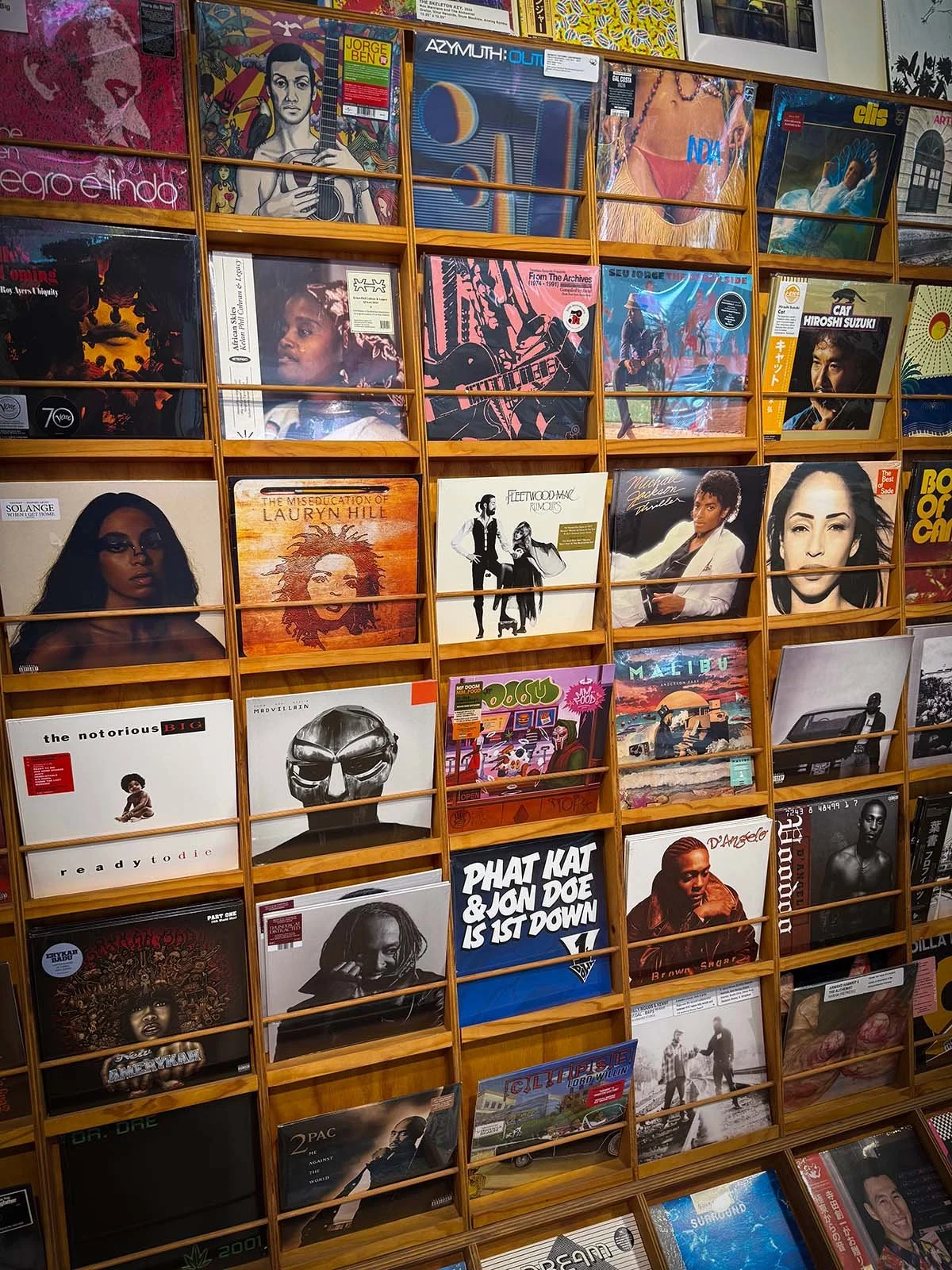
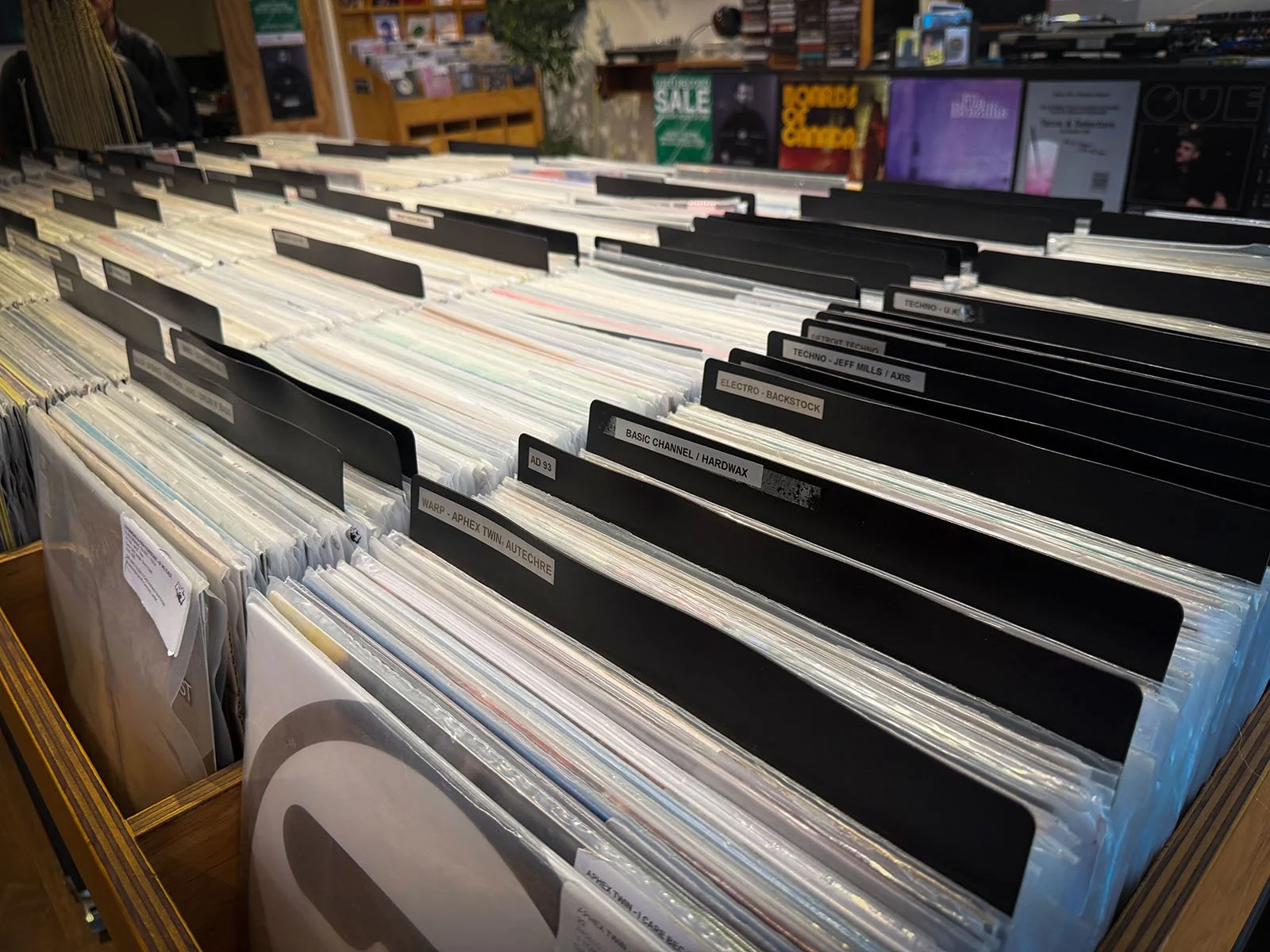
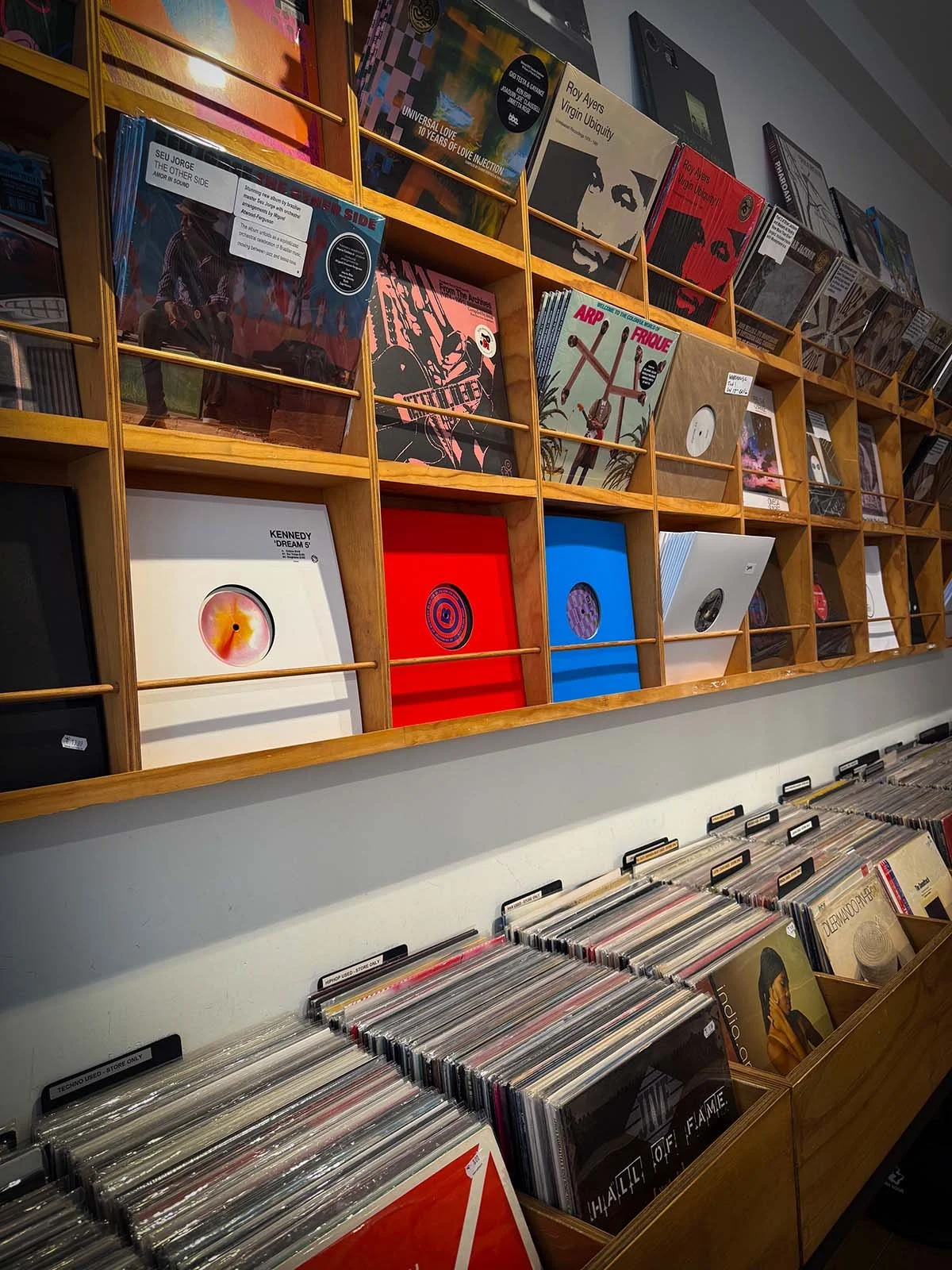
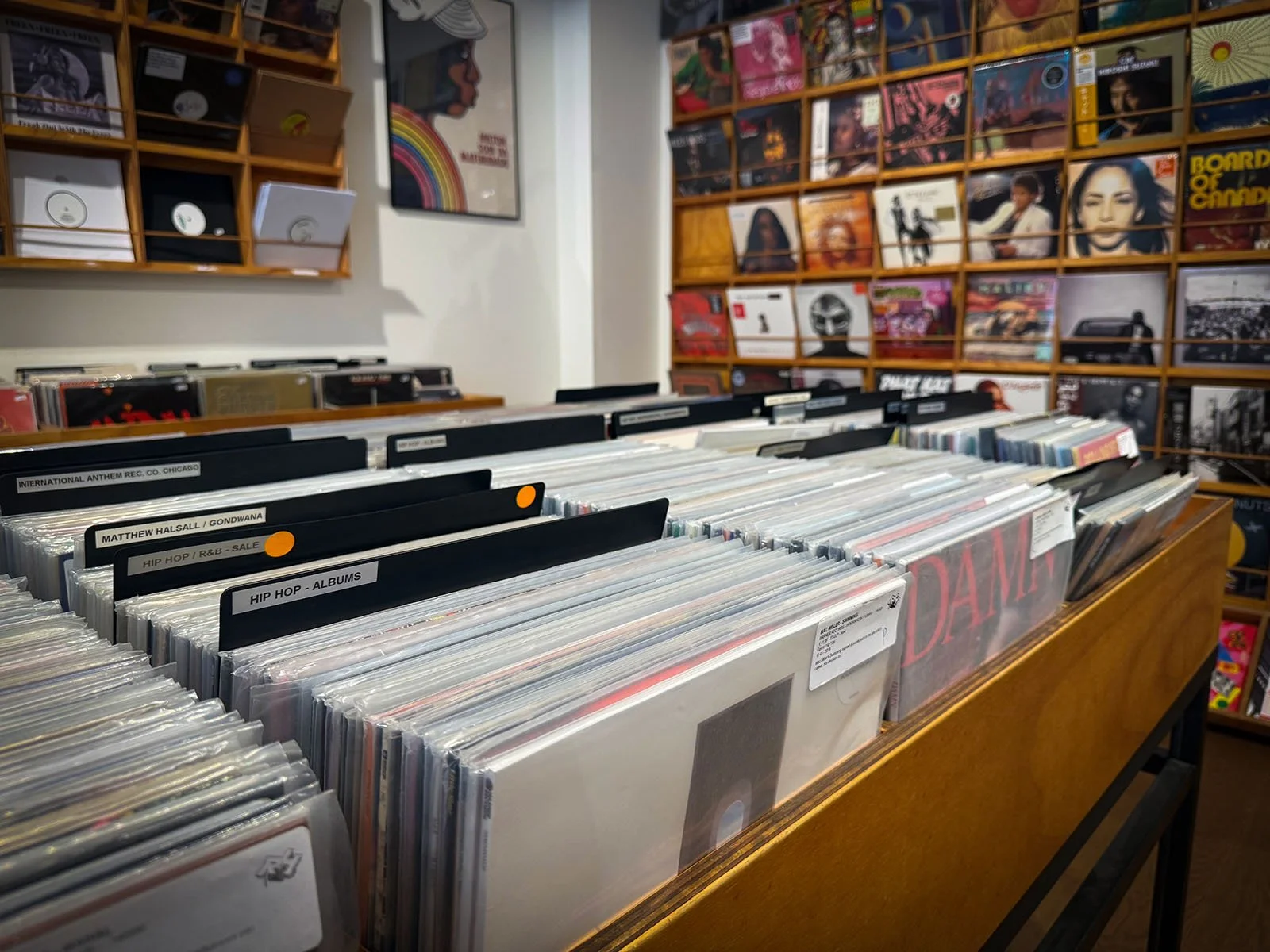
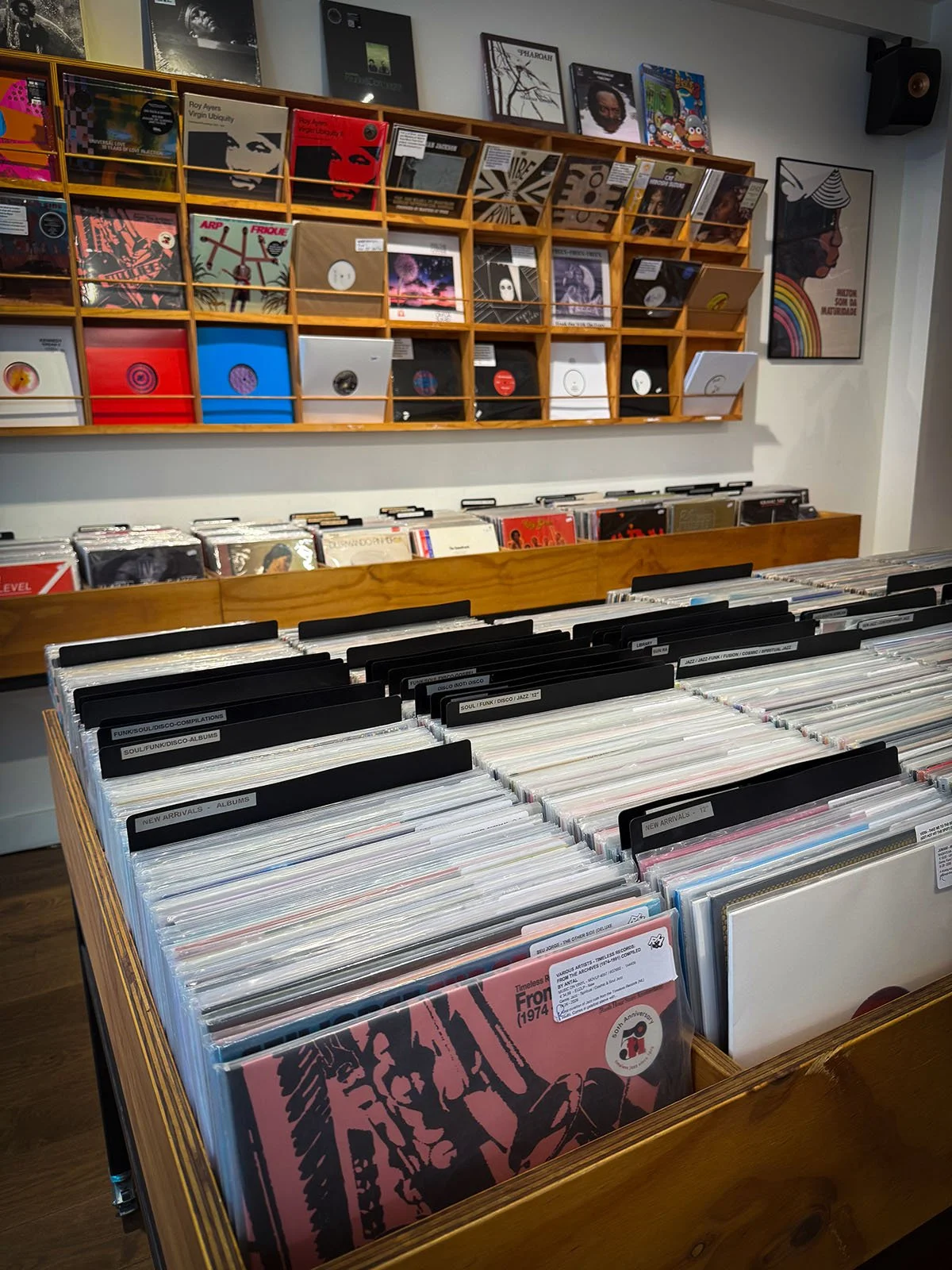
We sell house, techno, disco and hip-hop, but also loads of Afro, Latin, jazz, R&B, experimental music, reggae, rock and everything in between.
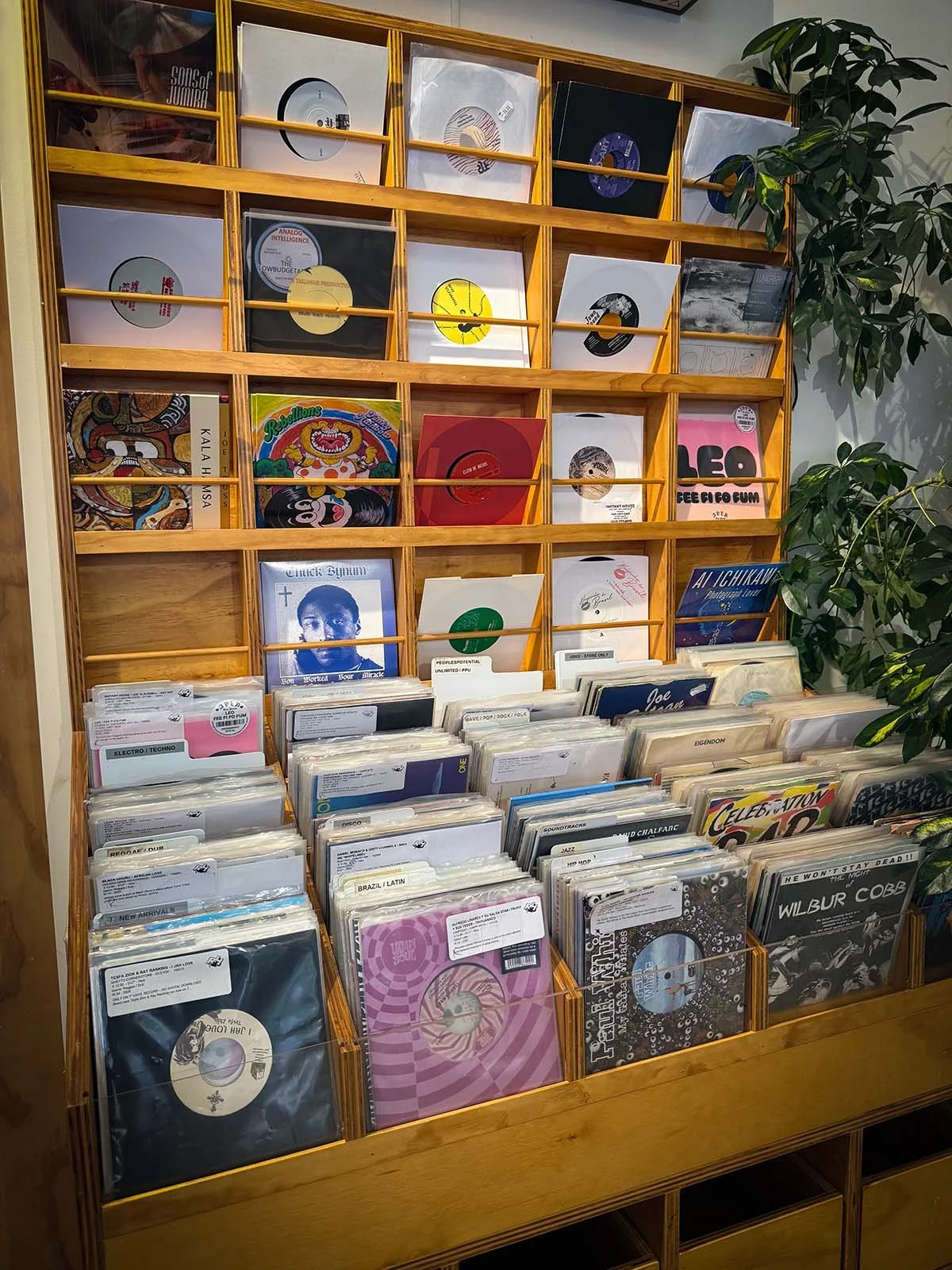
Although Rush Hour is well known for electronic music, one thing I love about the store are the second-hand bins where you can find all sorts of treasures. Where do your used records come from?
Over the years we've progressed with our customer base. They bring tunes to the table, and also have countless conversations with us. We're always learning and expanding the music we sell.
In terms of how we source used records, we have people coming in and doing trades. We buy the occasional collection, and a lot of our music is sourced during my travels as a DJ. I'm lucky enough to play in venues worldwide, and I always look for records for the store and bring them back to Amsterdam.
What are some of the rarest records that have come into the shop?
These are basically jazz, Afro, Brazilian or rock records that we get from time to time.
We also find stuff during trips. One time I found a first edition mint copy of William Onyeabor's 'Good Name' in Detroit. The record never made it to the store nor did I keep it. A reissue was about to come out, so I decided to sell it to a collector in France.
Do you still collect vinyl, or has owning a store changed your habits?
Yes I do, but it's not so much about collecting. To me it’s more about the craft and finding tunes to play as a DJ, or listening to songs that really lift my spirit. I don’t think I'd be able to live without the beauty of music.
Complete this sentence: “A great record shop is…”
A place where people can meet and talk about, learn about and enjoy music. Of course, records get traded in stores, but it’s much more than that. It’s a culture.
Whenever I go to another city, good record stores will show me nice neighborhoods, let me learn about local interests and music, and even give me tips on good restaurants or places to eat.