Platypus Record Shop
At a time when people are rediscovering the tactile thrill of physical media, Platypus Record Shop is an Aladdin’s Cave of treasures.
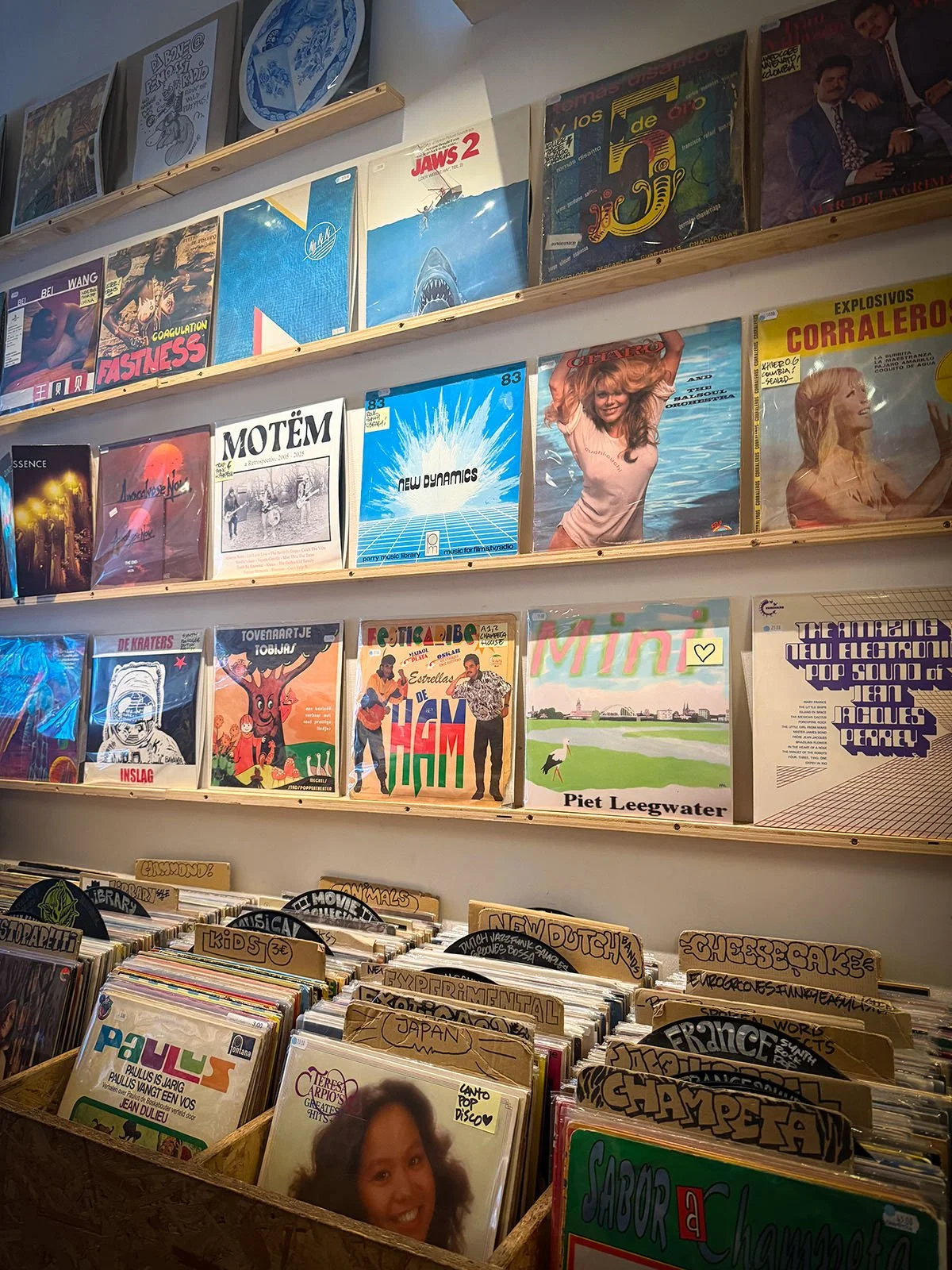
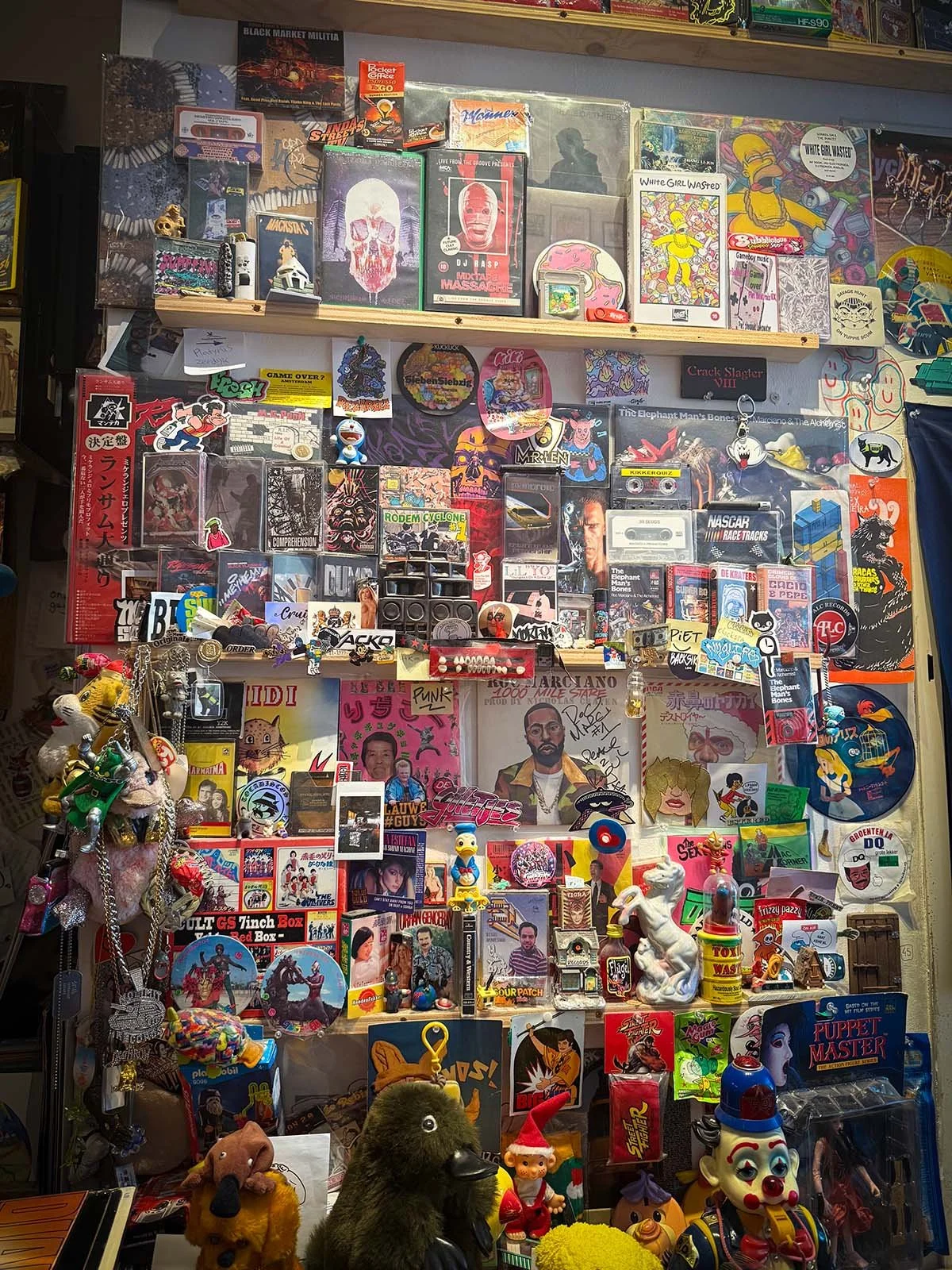
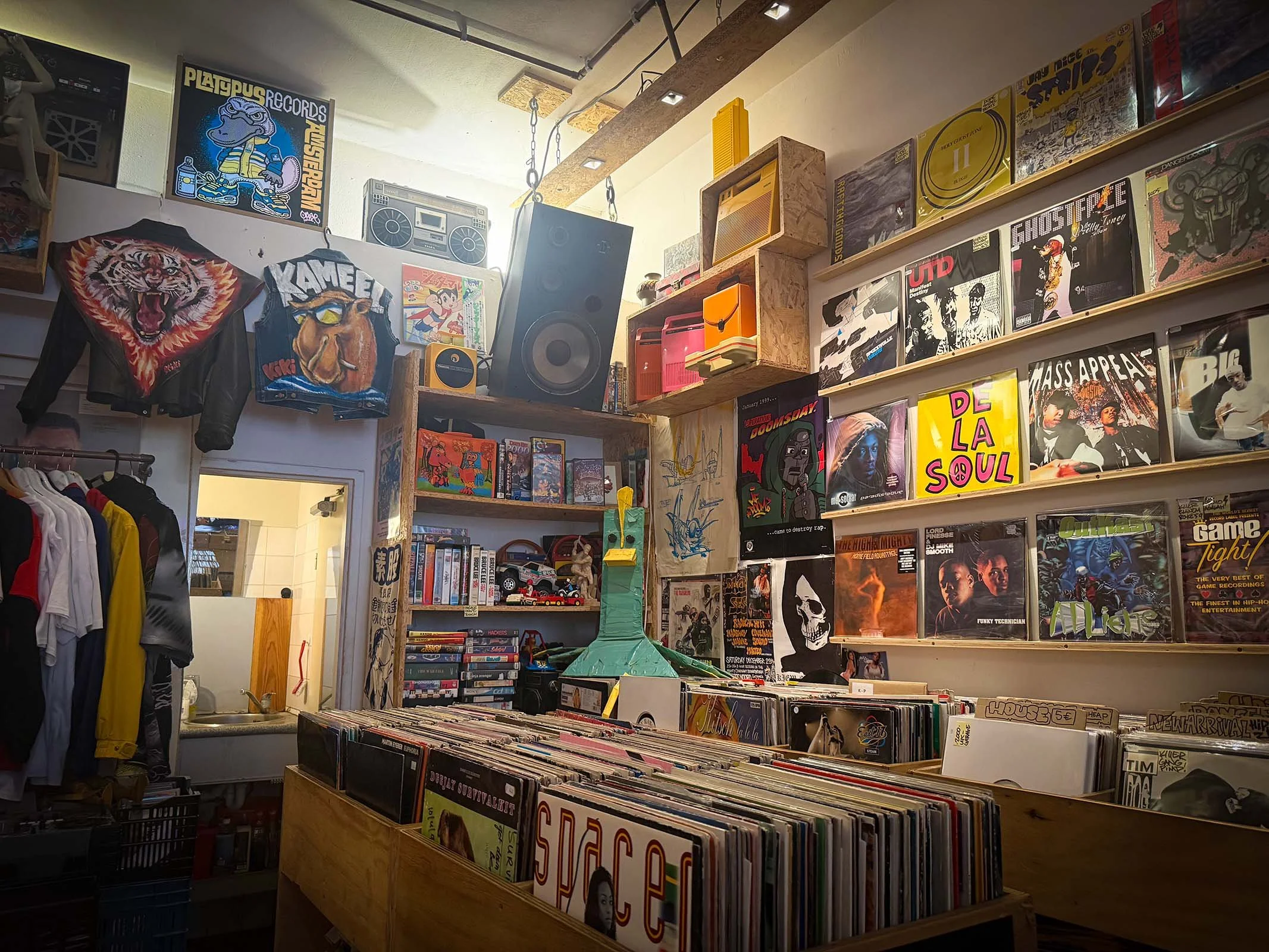
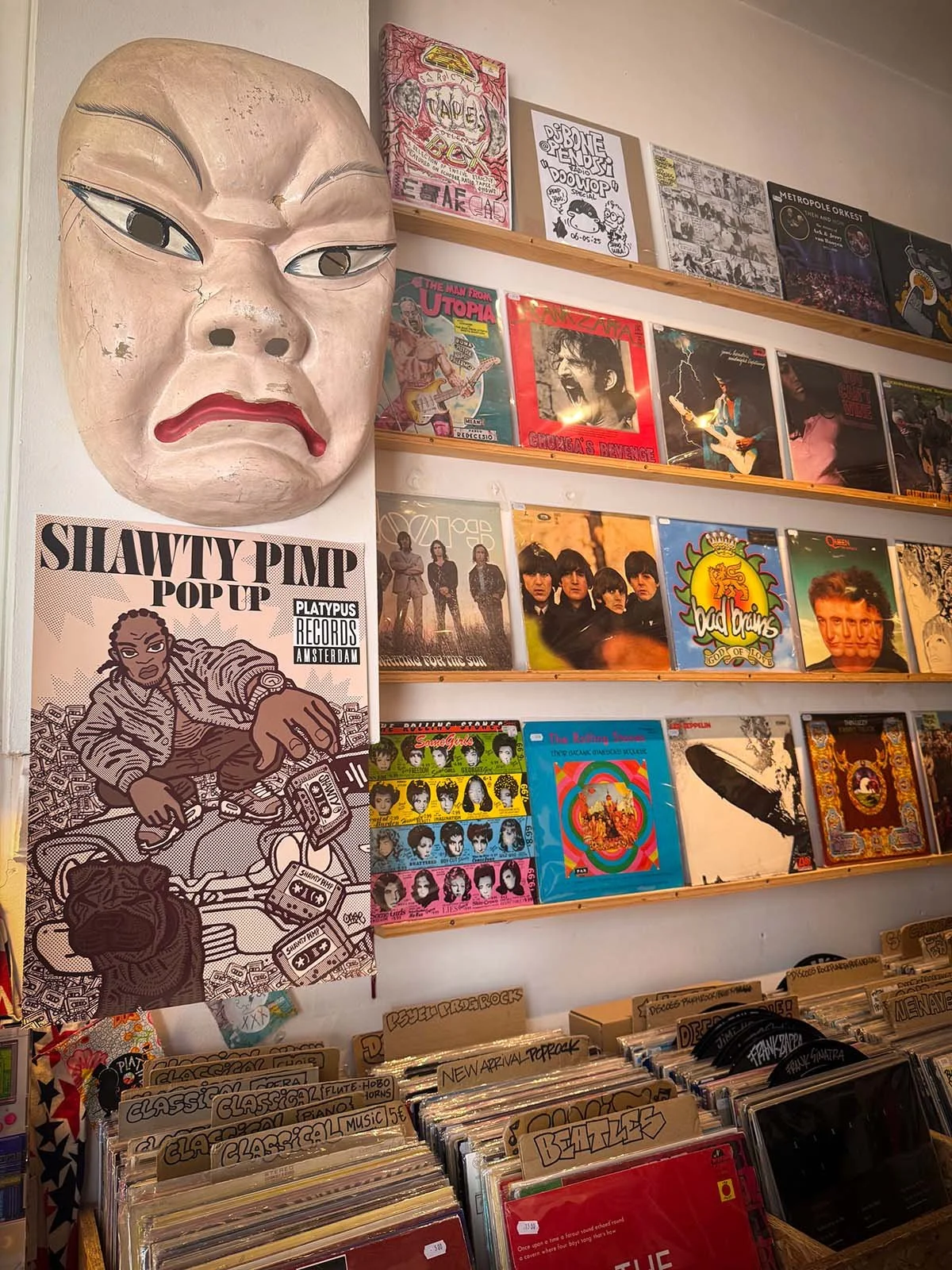
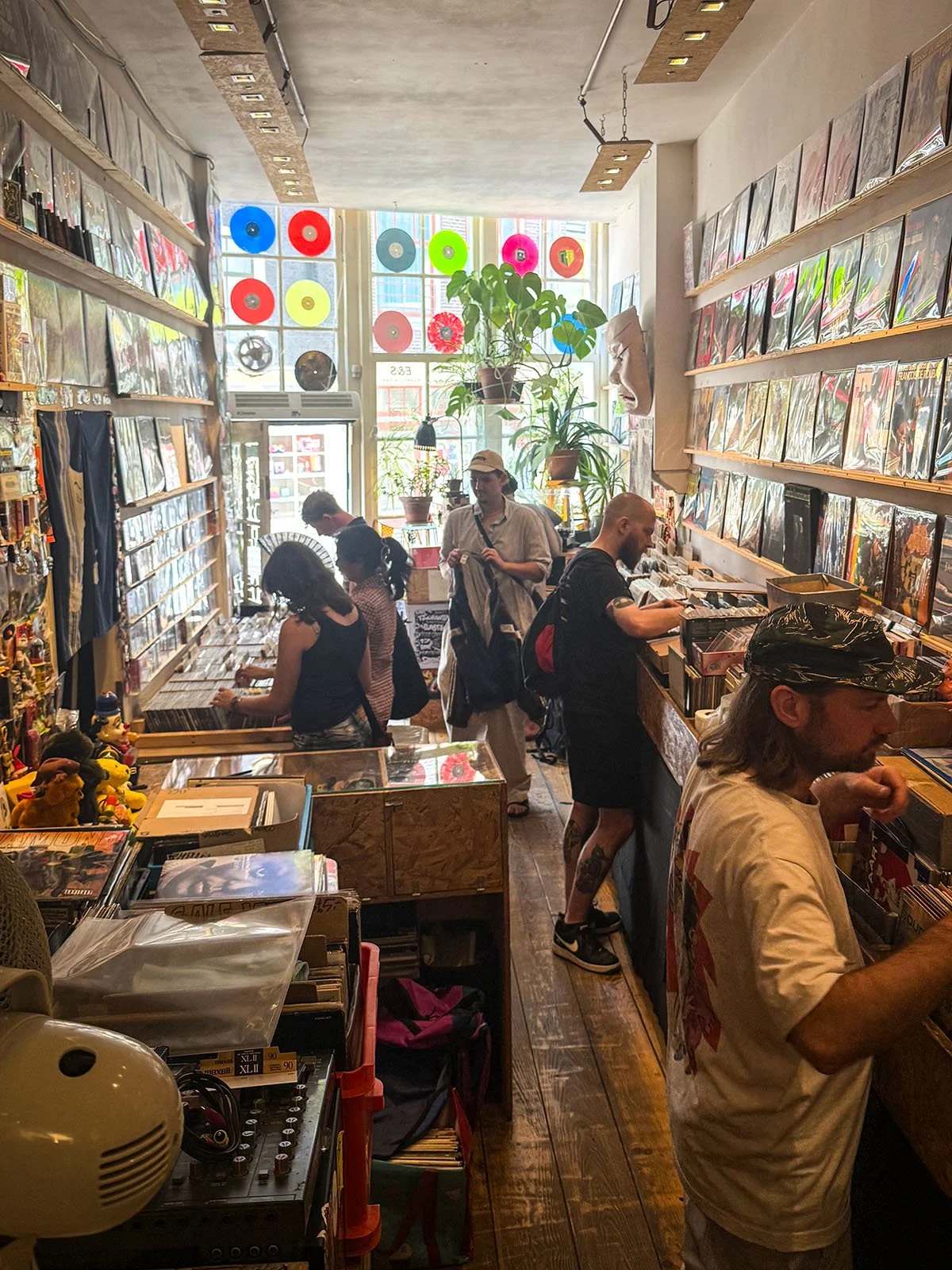
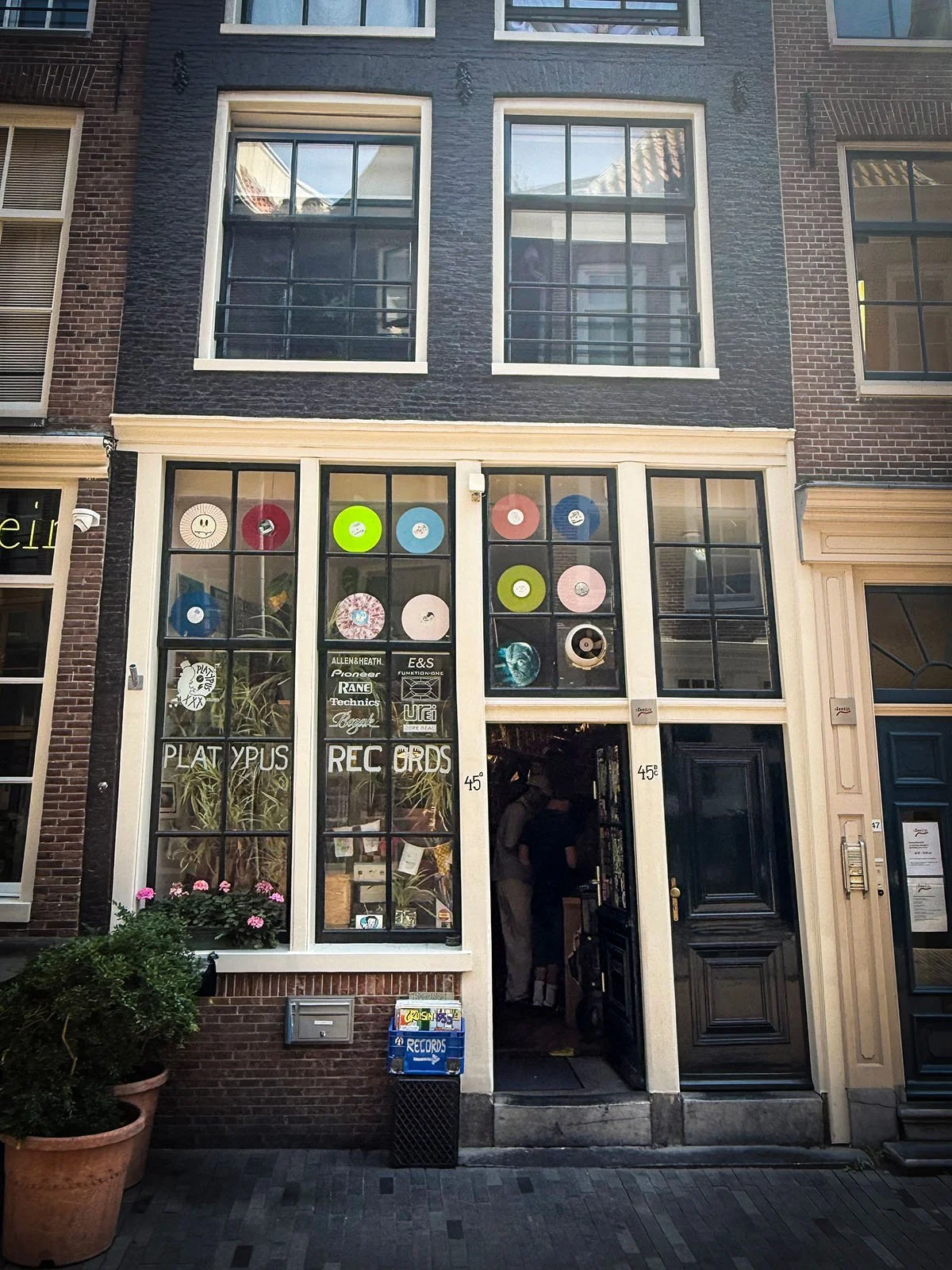
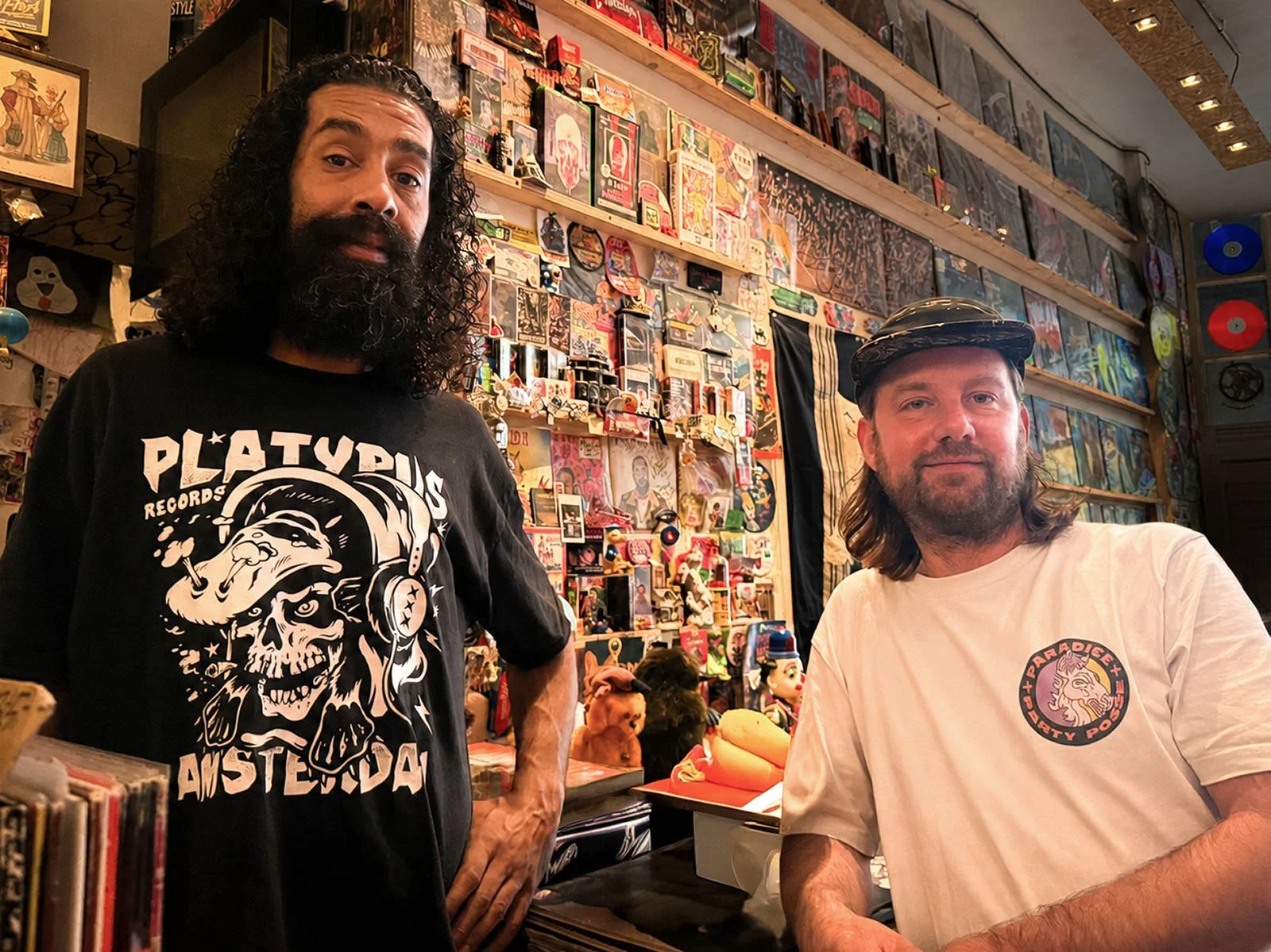
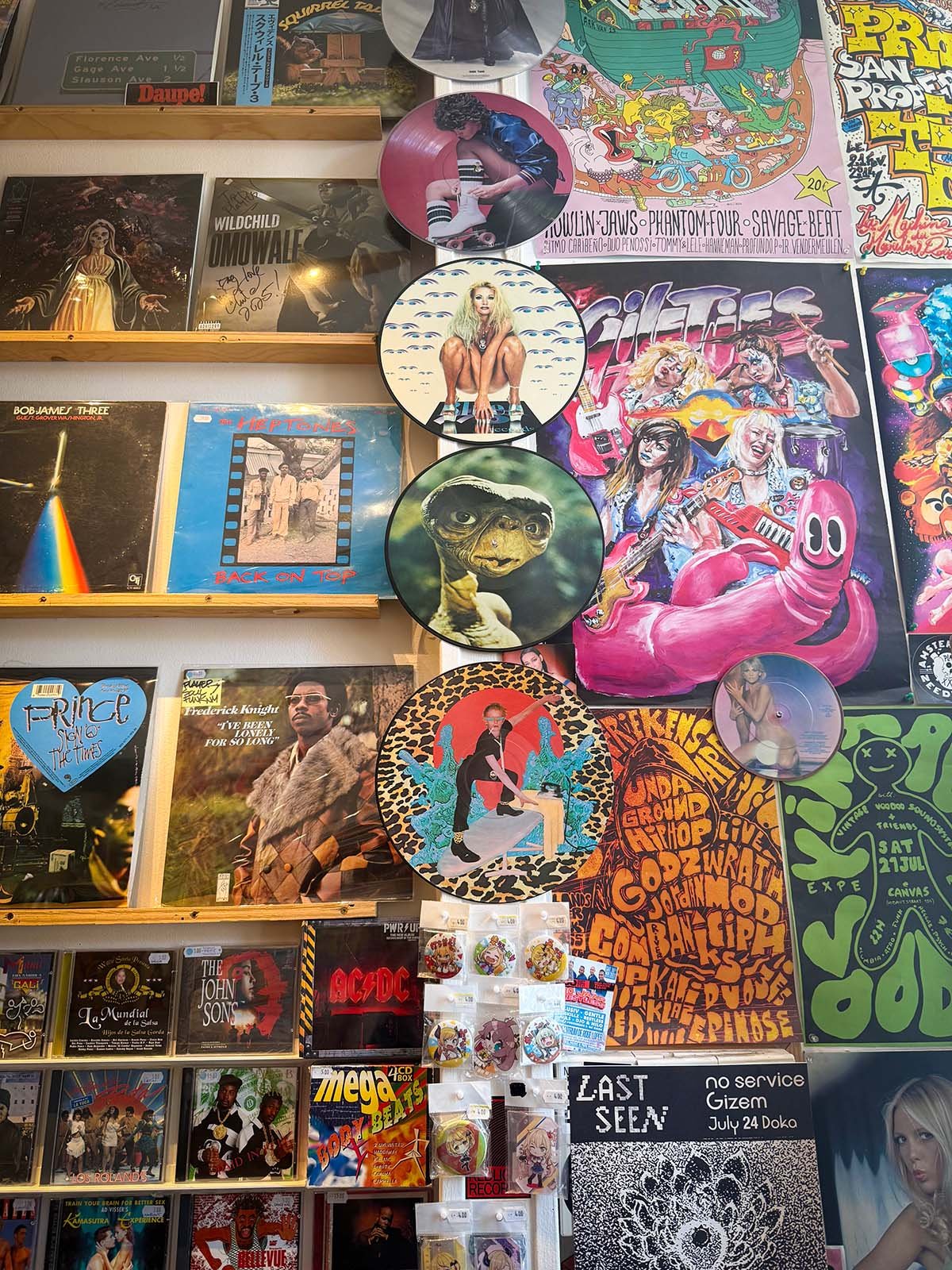
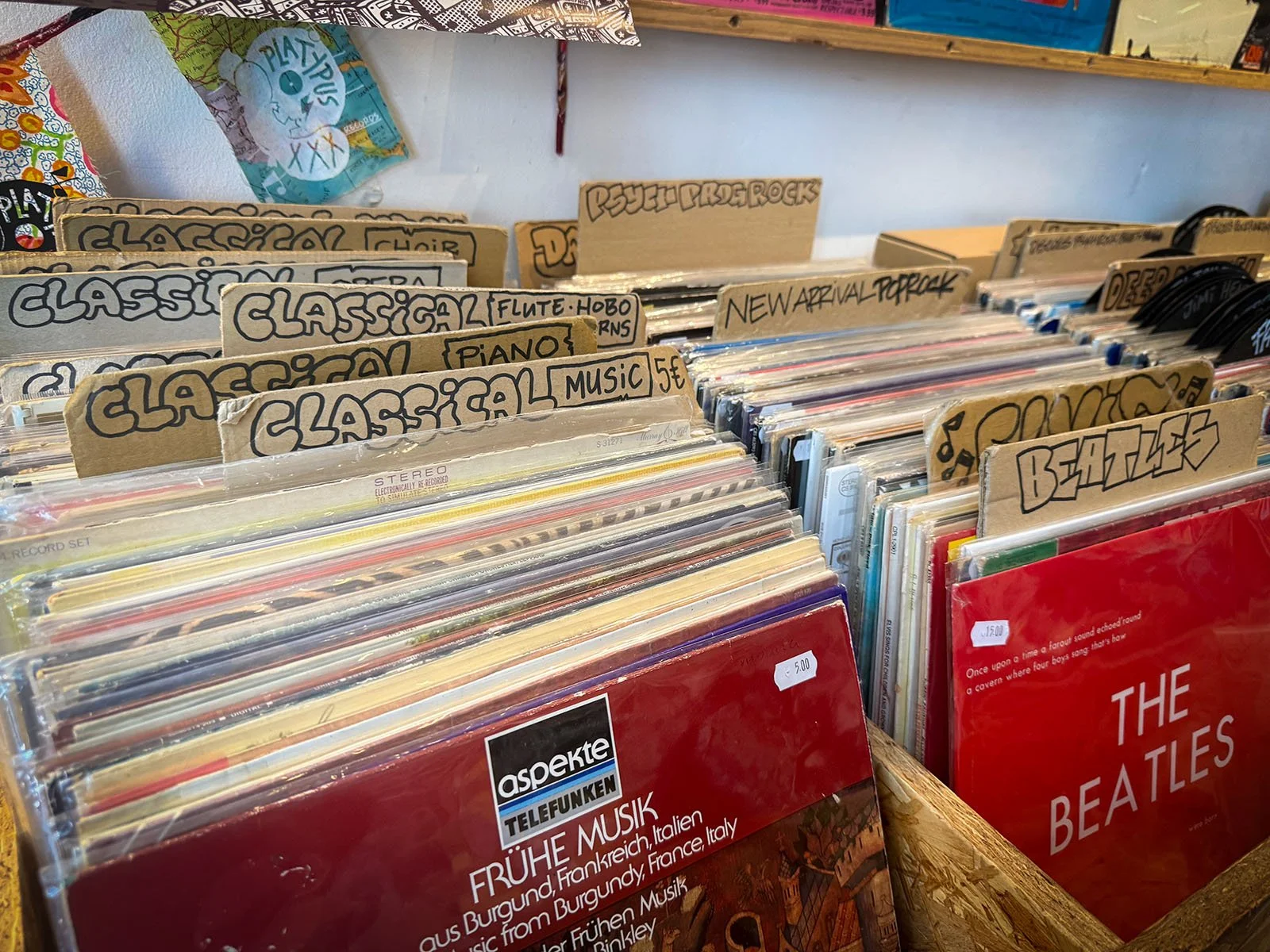
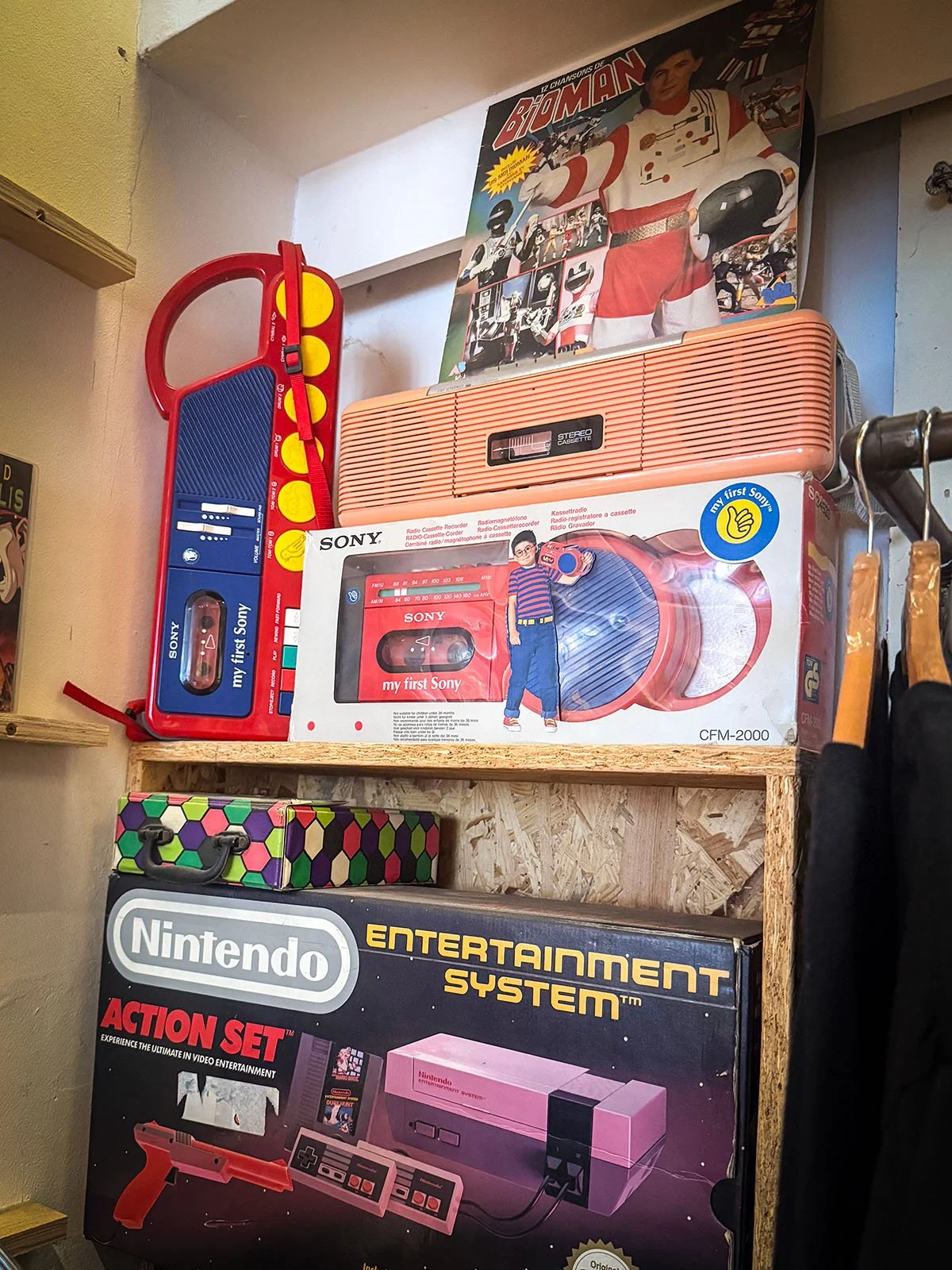
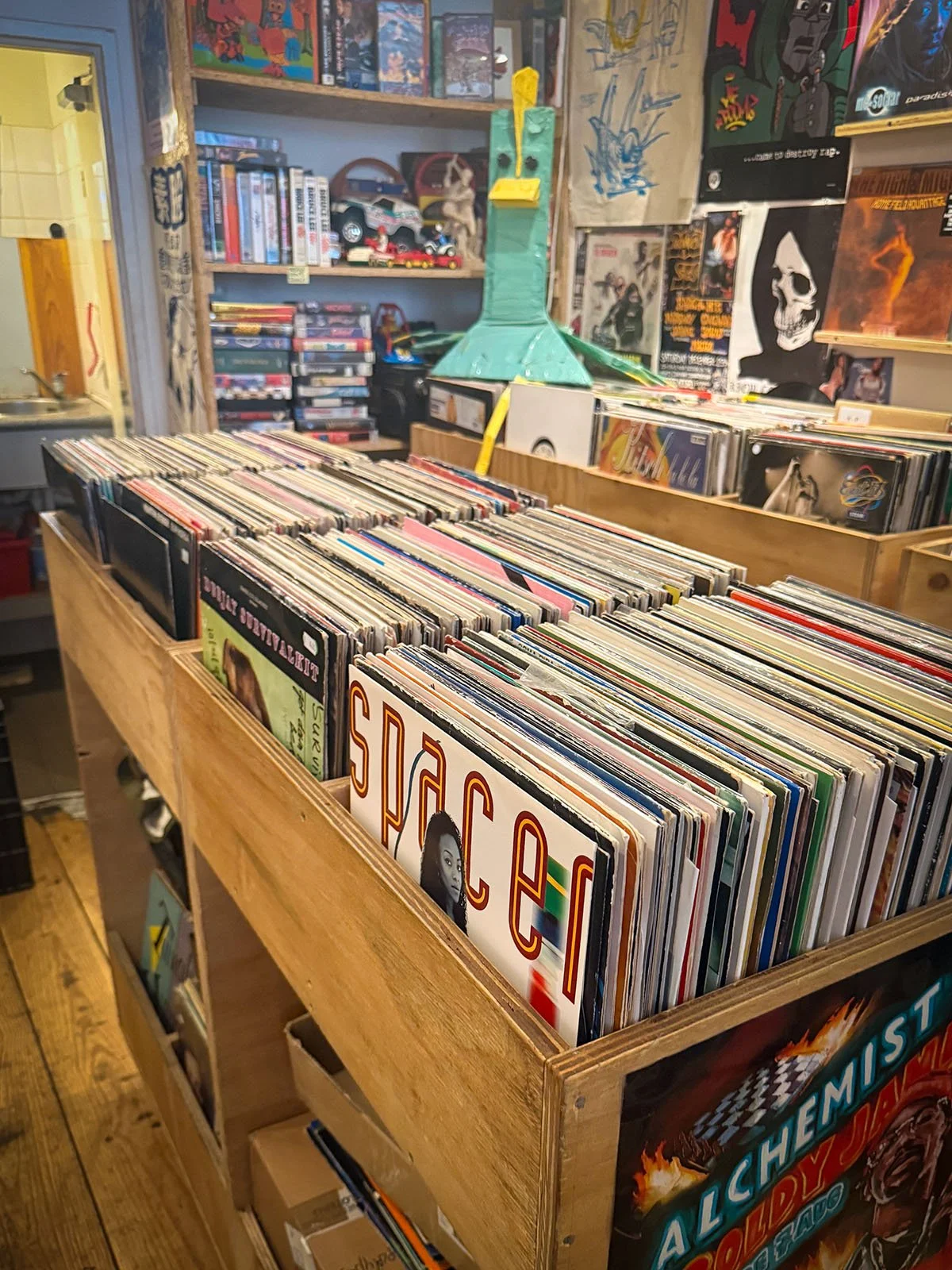
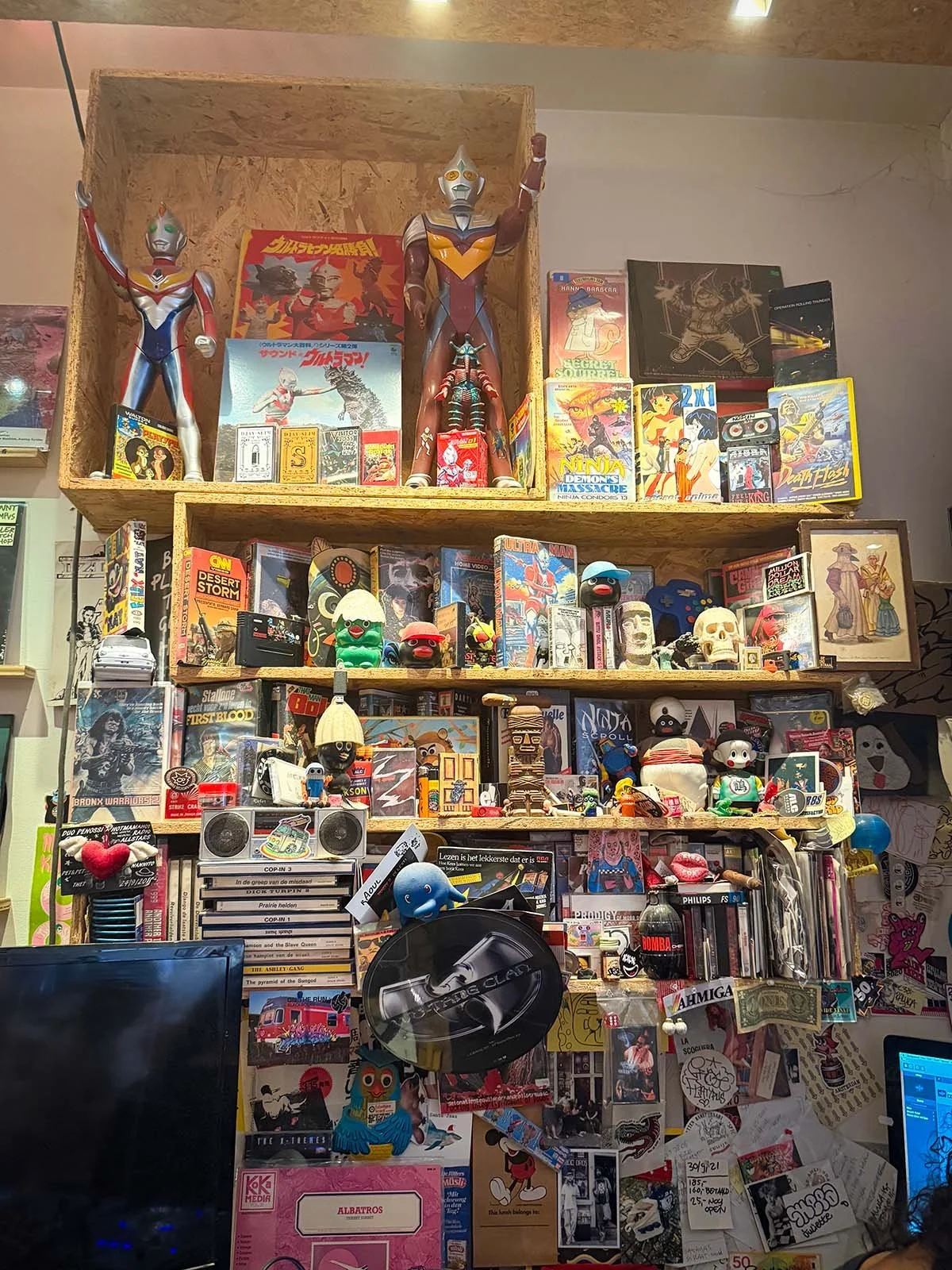
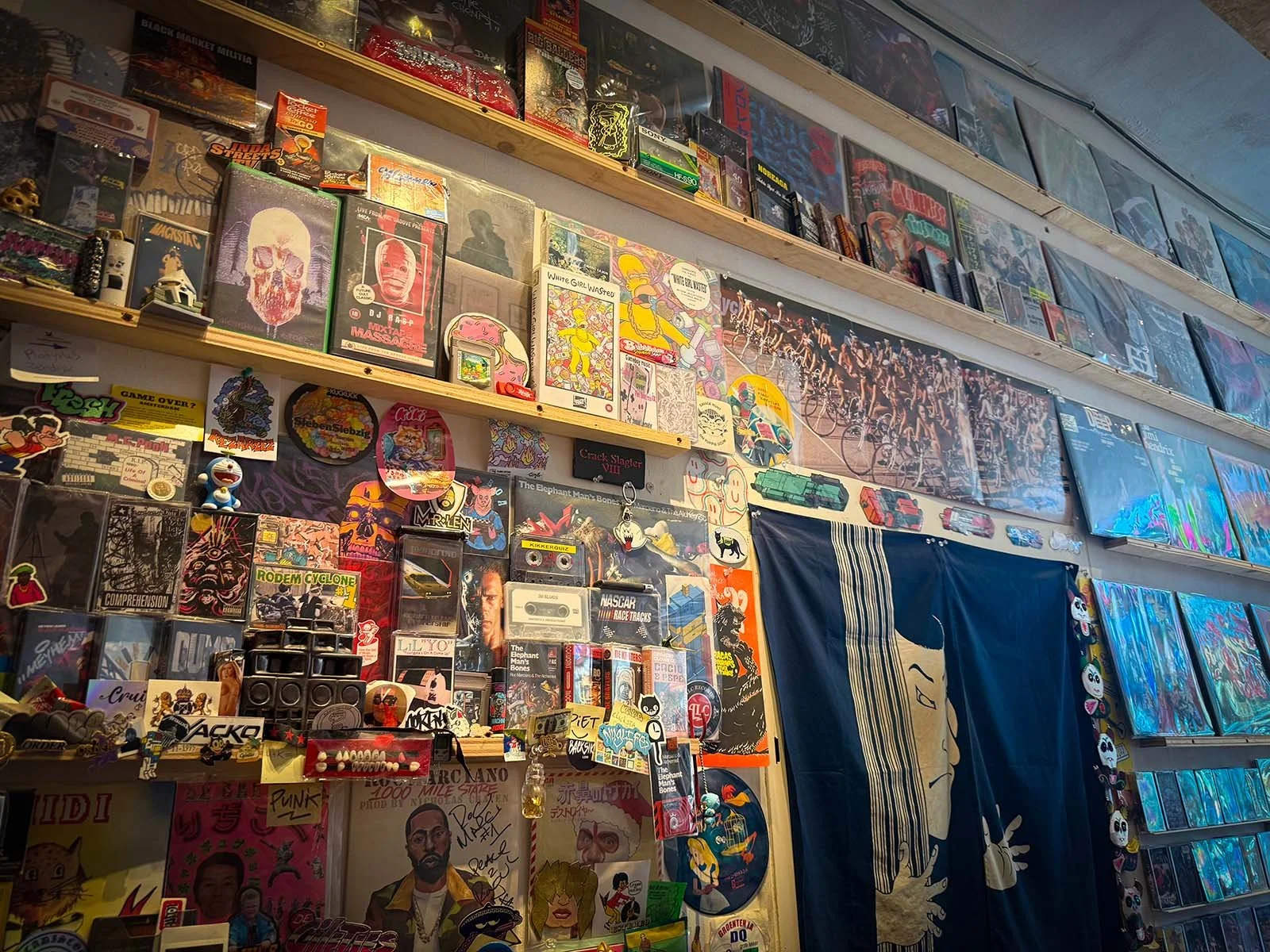
As well as thousands of rare and remarkable records, owners Raoul Nieuwendam and Bas Bogerd have filled their Zeedijk store with the other things that inspire them: VHS tapes, cassettes, CDs, action figures, Japanese toys, old Nintendo consoles, badges, vintage tech and a million other other curiosities that celebrate analogue culture.
Visiting Platypus is an experience. Every shelf showcases the unexpected, whether it's an obscure Colombian salsa record, a forgotten soundtrack or a retro collectible you haven't seen for decades. It's the kind of place where you’ll discover something new every time you visit.
It's little surprise, then, that Platypus has become a hub for Amsterdam's creative community, attracting collectors, DJs, musicians and curious visitors from around the world.
Raoul and Bas are also the duo behind Penossi Radio, a long-running weekly show on SALTO, Amsterdam's public access station. Their store on Zeedijk is the heart of the Penossi show, and you can hear their eclectic selections on the Platypus Mixcloud.
Raoul and Bas are more than record store owners. Through digging, DJing, broadcasting and introducing listeners to music from around the world, they help to keep Amsterdam’s underground culture alive, and have created one of the city’s most distinctive creative spaces.
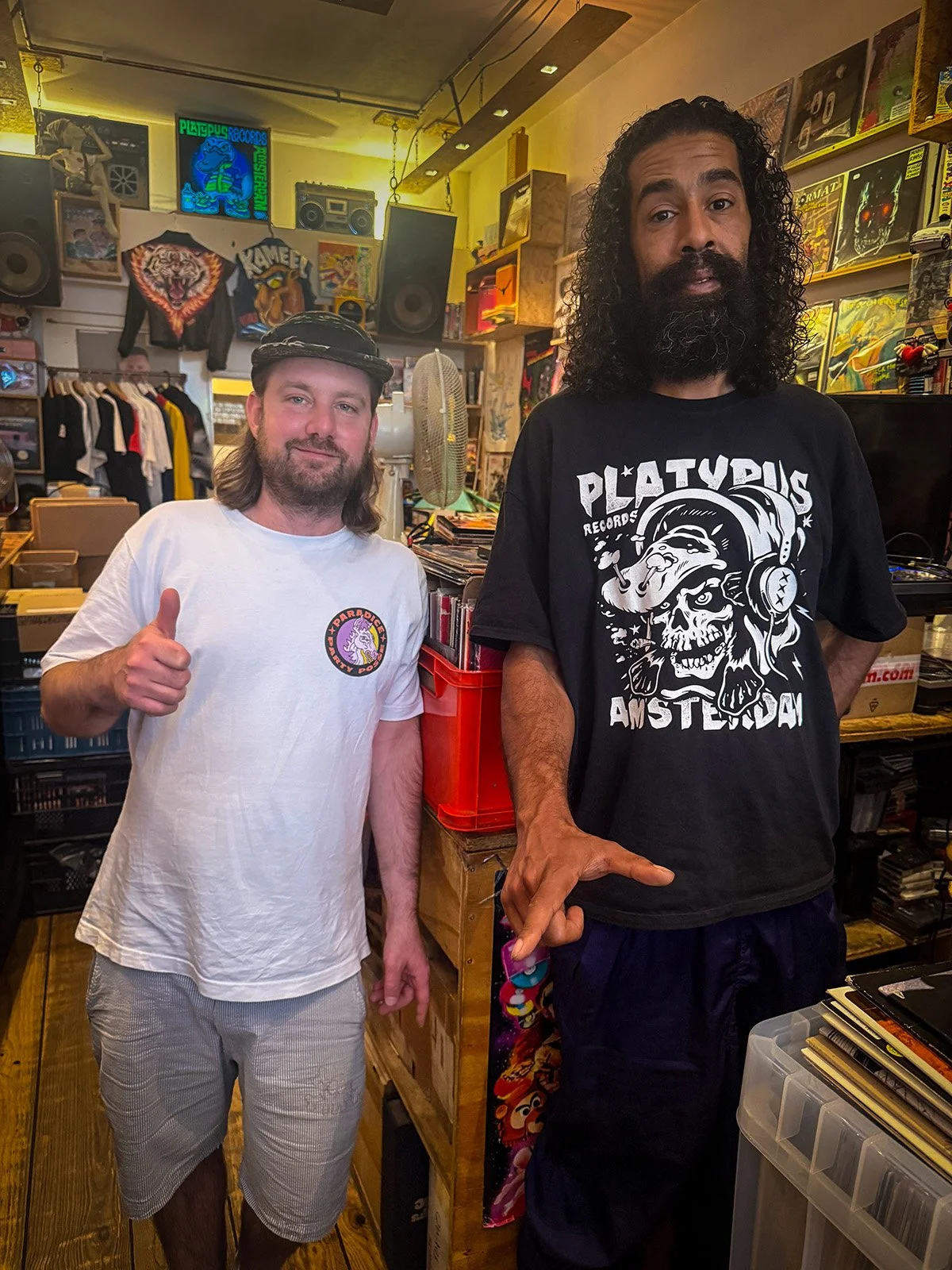
An interview with Raoul Nieuwendam and Bas Bogerd, Platypus Record Shop
I love hearing the stories behind record stores, especially how people go from collecting records to launching their own shop. How did Platypus begin?
Raoul: Bas and I have known each other since high school. We were both into music from an early age – not just vinyl, but CDs, cassettes, VHS tapes... anything with music on it.
In the 1990s we were also part of Amsterdam's DIY culture, when everybody was doing their own thing. We were into graffiti, making things ourselves and learning from the people around us.
Eventually we started a weekly radio show for a local independent station. In 2010 we took over Bass Culture, a programme where we'd previously appeared as guest DJs, and relaunched it as Hotmamahot Radio. We'd build mixes almost entirely from records we'd picked up for one euro or fifty cents. The selections were always wonderfully eclectic, and that spirit still shapes the way we think about music today. The show eventually evolved into Penossi Radio.
As time went on, we started selling records at fairs and flea markets. It was fun, but we always wanted a permanent place where we could share what we were finding with other people.
When the opportunity came to expand our hobby and open a shop, it was an easy decision. We've been in this space for the past eight years, and it was definitely one of the best decisions we've ever made.
When we opened, they were actually looking for people and companies who’d give something back to the Zeedijk neighbourhood – rather than just stroopwafels and Nutella stuff – so we were an interesting addition. It’s nice how everything complements each other on this street – whether it be fashion shops, nice restaurants or whatever. Everything you need is in one spot.
There’s a real community here, and lots of people just come to the shop to hang out. The shop is a music like-minded meeting point and that's why our community keeps growing.
Also, tourists don’t just come to Amsterdam to party – that’s a bit outdated. People visiting the city want to explore interesting things, and so they often come here.
How would you describe Platypus to someone visiting for the first time?
Bas: The most important thing is to come with an open mind. It's nice to have an adventure. For some people that’s scary, but I think it’s more rewarding.
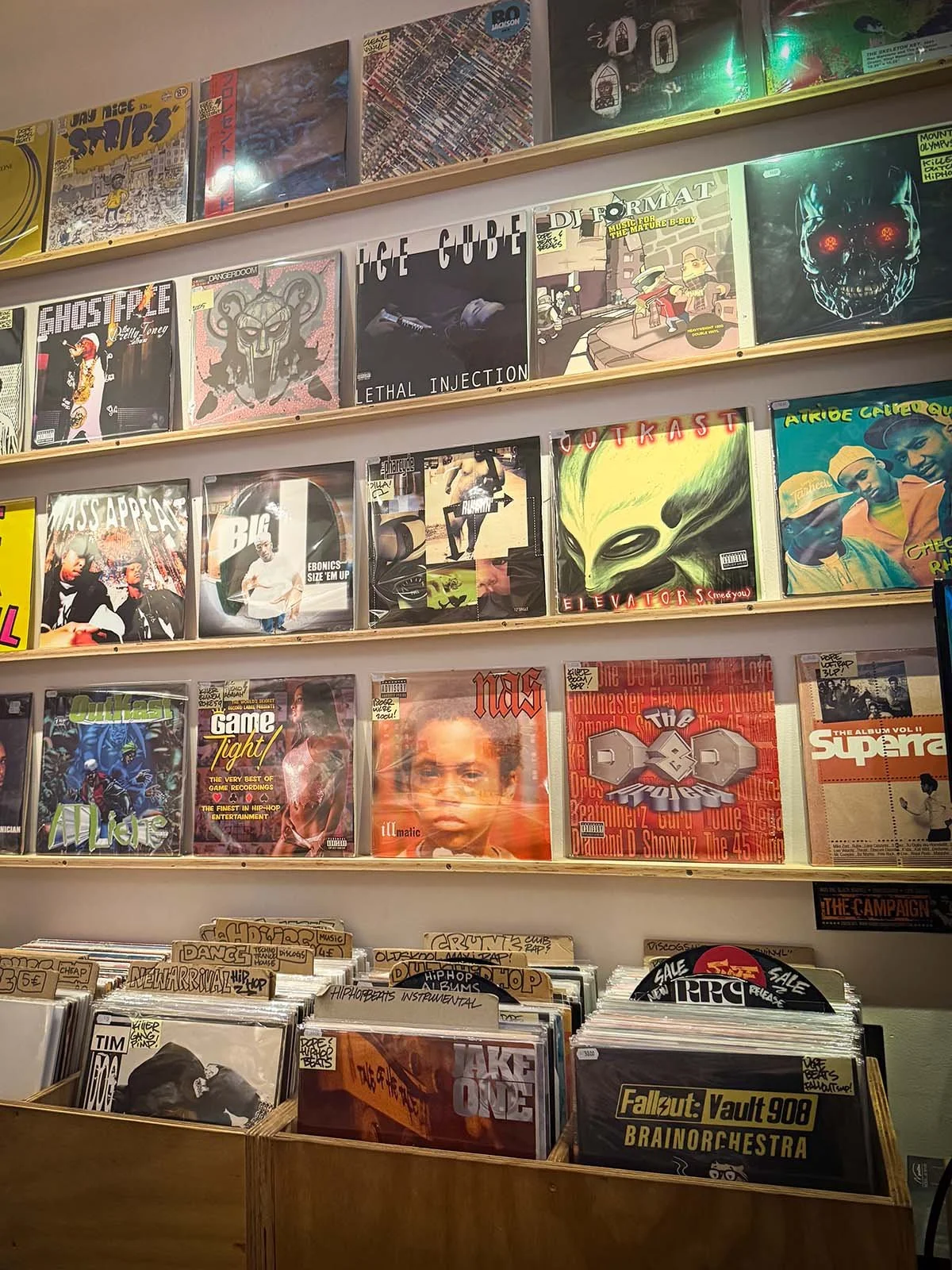
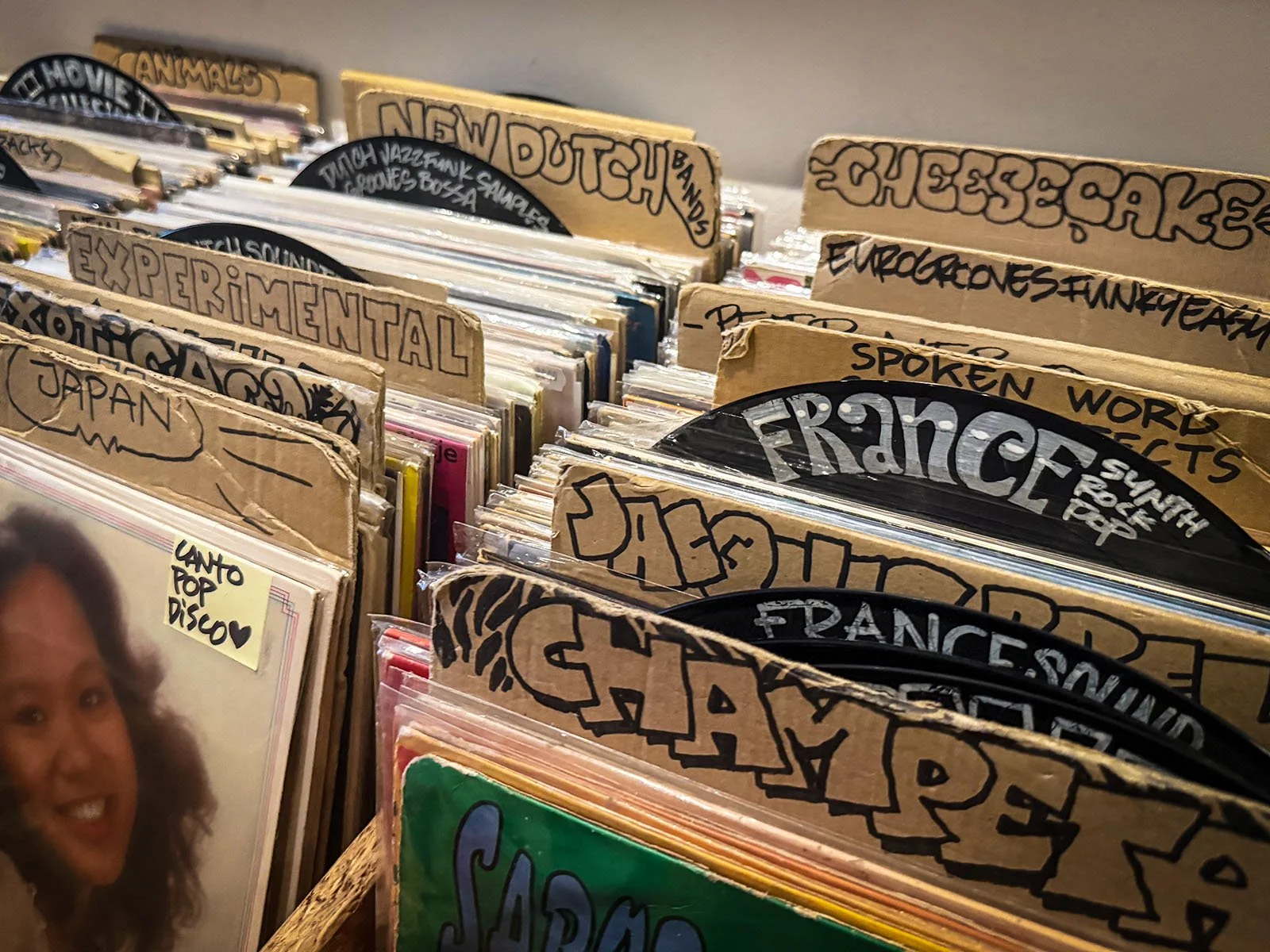
We have plenty of records by familiar artists, but we're passionate about second-hand records and discovering music that people might not already know. The shop covers everything from rock, soul and disco to country, exotica, library music, African records, Asian music and plenty of things that don't fit neatly into a category.
We never wanted to specialise in just one style. You might find cowboy music sitting next to hard techno, and that's completely normal to us. There's music here for everybody.
Sometimes people come in looking for one specific record. If we don't have it, we'll usually suggest something similar instead. Often that's how people discover something completely unexpected.
We also stock records published by private labels, and lesser-known vinyl by famous artists that people think are bad. But if you listen you'll always find good music.
Curiosity seems to be a big part of the shop.
Raoul: Definitely. People talk about the greatest albums ever made, but for us there's so much incredible music that never appears on those lists. There are amazing artists from Asia, Africa and South America who made wonderful records but never received the same recognition in Europe.
That's what excites us most – finding records that deserve an audience.
We're still discovering music from the 1970s, ’80s and ’90s that we've never heard before. That feeling never really disappears.
Famous musicians were inspired by music from all over the world. Psychedelic bands were listening to Indian music and African music, then creating something new from those influences. We love following those connections and seeing where music leads.
Where do you find your records?
Bas: Everywhere. We go digging almost every day for records. We still visit collectors, dealers and record fairs, and we've built relationships with people who know the kind of music we're interested in.
Sometimes somebody will simply call and say, "I've found a crate of strange records," and we'll immediately want to go and have a look.
The digging never really stops, and you need to have good connections to find the best stuff.
We also like to travel and pick up records. We've been to Japan, but we want to go back. You can still pick up vinyl cheaply in Japan, and there are many more record stores there. When we were in Osaka, there were 90 record stores, maybe more. Most of the stores were focused on one thing – lots of specialist stores that do their own thing really well.
It's interesting to see how everyone wants what their neighbours have. We send a lot of Dutch house to Japan, and a lot of reggae records and Beatles stuff goes over there too. But, at the same time, there’s a huge appetite for Japanese pressings and music in Europe.
Have you ever found anything surprising inside a collection?
Raoul: Quite often. We've found drawings, birthday messages, love letters and handwritten notes tucked inside sleeves. Sometimes people have even written things like "This record is terrible!” across the cover or scratched comments into the sleeve because they hated the album.
We love that kind of history because every record has already had a life before it arrives here.
There are collectors who even collect old record shop stickers from sleeves. It's fascinating to see the names of shops that disappeared decades ago. You realise just how many record stores there have been in Amsterdam over the years.
The shop feels like more than somewhere to buy records. Is building a community important to you?
Raoul: Very much so. We have regular customers who visit every week to see what's arrived. Some people always come on Mondays after working all weekend. Others pop in whenever they're visiting Amsterdam.
We also get artists coming through the door – sometimes people we've listened to ourselves for years. That's always a special moment because suddenly you're talking to somebody whose records you've admired for a long time. The Alchemist [hip-hop DJ and producer] is a regular here, and we’ve had people like Shawty Pimp, Evidence, Meyhem Lauren, Daringer and many, many others through the doors. It’s dope when that happens. We also get artists from the US passing through, including Roc Marciano and Action Bronson.
Amsterdam has become a city where people can spend the whole day exploring. They'll visit exhibitions, have lunch, go to a concert and stop in record shops along the way. We like being part of that experience.
We even help visitors discover what's happening elsewhere in the city by sharing recommendations for interesting exhibitions, concerts and underground events. A friend of our is making an agenda with things to do in the city, so people know where to go – the underground places. It’s good the shop can provide a platform for things like that.
The demand for vinyl has changed enormously over the years. How do you feel about where it is today?
Raoul: Vinyl never disappeared for us. Of course, there are people buying records now because it's fashionable, and maybe they'll hang the sleeve on the wall rather than play it. That's fine.
The serious collectors are still here. They're interested in the music first and they're always looking for something special.
The record fairs are still thriving, and every year you see thousands of people coming together around vinyl. It's become a whole community and that’s wonderful to see.
Amsterdam seems to have a very supportive record shop scene.
Bas: It really does. Most collectors want to visit every shop, so there's very little sense of competition. All the record stores in Amsterdam know each other, we buy records from one another, and sometimes another shop will call if they've found something they think would suit our customers better.
We've even worked together to produce guides showing visitors where all the record shops are.
Whenever we travel to another city ourselves, we do exactly the same thing. We visit every record shop we can find because you never know what you'll discover.
Aside from the radio show, do you DJ a lot these days?
We've played as a DJ duo for years – Duo Penossi. We play in clubs, bars, listening bars, restaurants and festivals big and small.
If we play in a club or festival, we often play a lot of bubbling, Surinam ragga, dembow, cumbiaton and South Side rap.
In listening bars we mostly play rare records, psych funk, easy listening, Indonesian, cumbia and exotica.
We always try to play music that's unknown to most people. I like it to let people discover some new music instead of all the stuff we already know.
We've played in many places, but the ones that are always fun are Het Landjuweel at Ruigoord and De Zweefmolen at Theaterfestival de Parade. De Zweefmolen is a carousel where we DJ in the middle – it's wild.
The shop is also full of Japanese toys, VHS tapes and other collectibles. Where did that come from?
Raoul: That's just us. The shop looks just like where we live!
We've always collected more than records. Whether it's vintage toys, old electronics, film memorabilia or interesting objects, we find them while digging around markets.
A lot of our stuff has come from places like Waterlooplein over the years. We simply surrounding ourselves with things that have character.
We're especially fascinated by Japanese design. Even if you don't know the television series or films, the artwork, packaging and creativity are amazing. It's another world to explore.
Finally, I always end these interviews by asking the same question. Complete this sentence: "A great record shop is..."
Bas: An extension of your own home.