GOT.DRIP Streetwear & Records
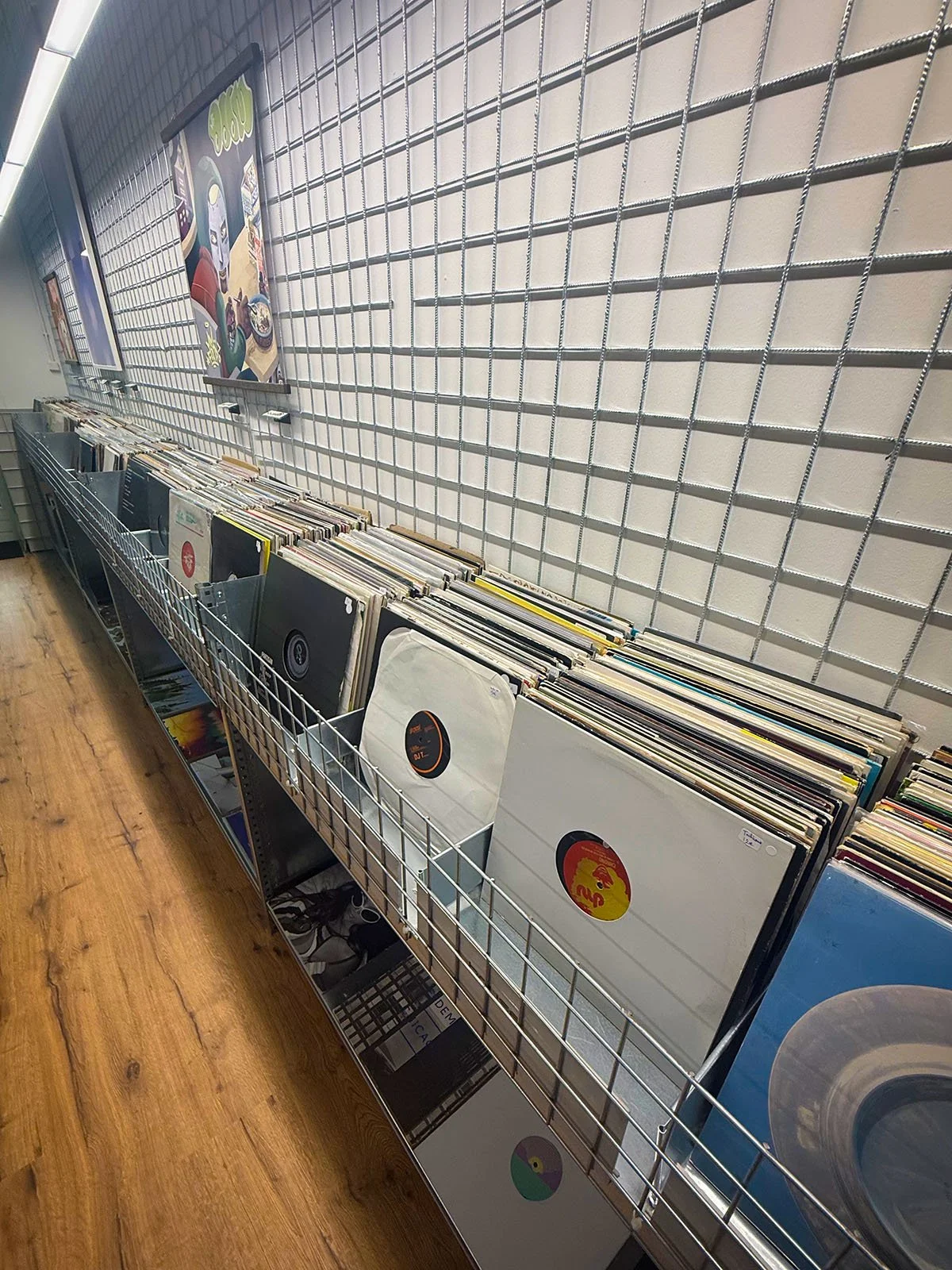
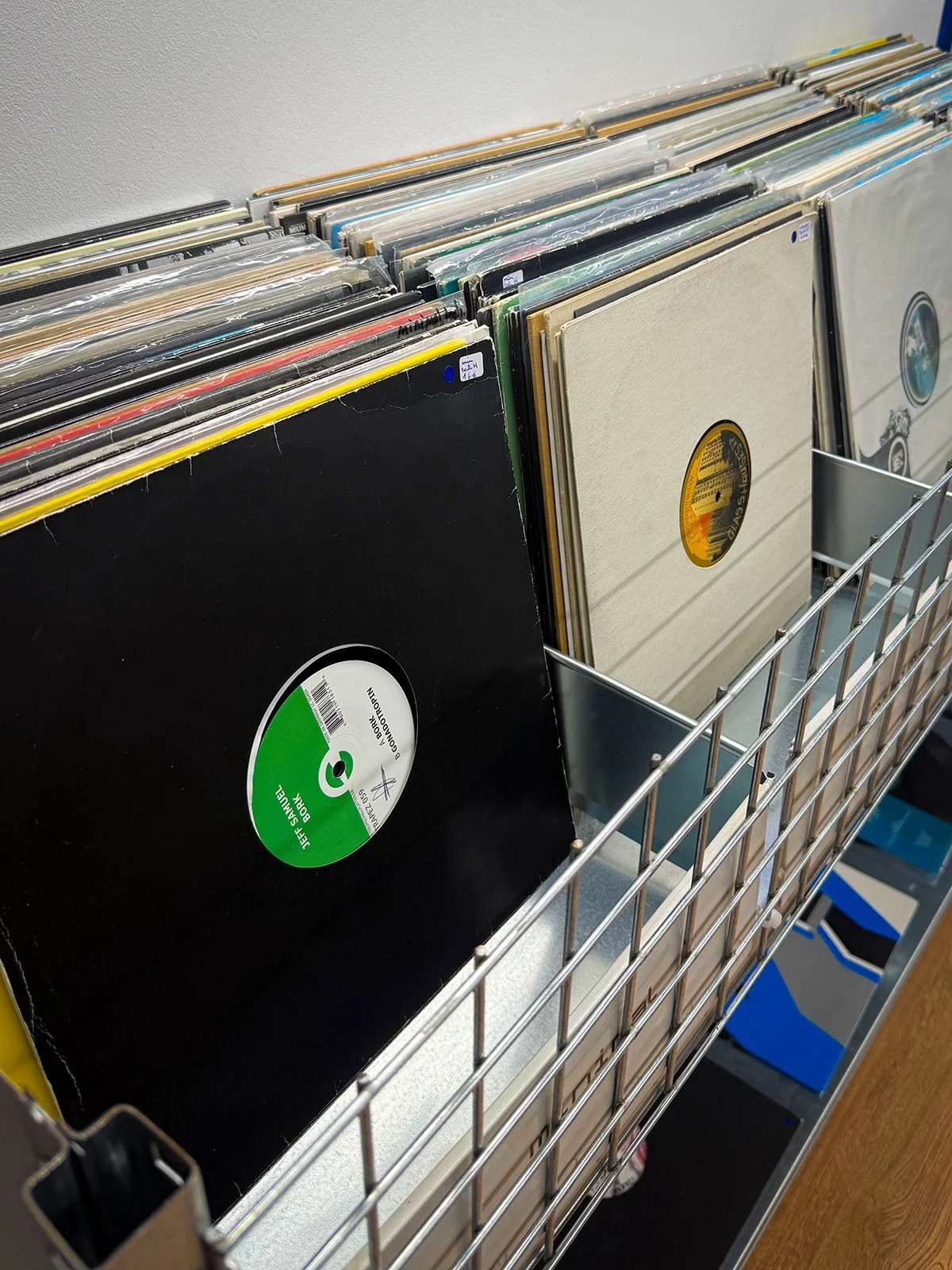
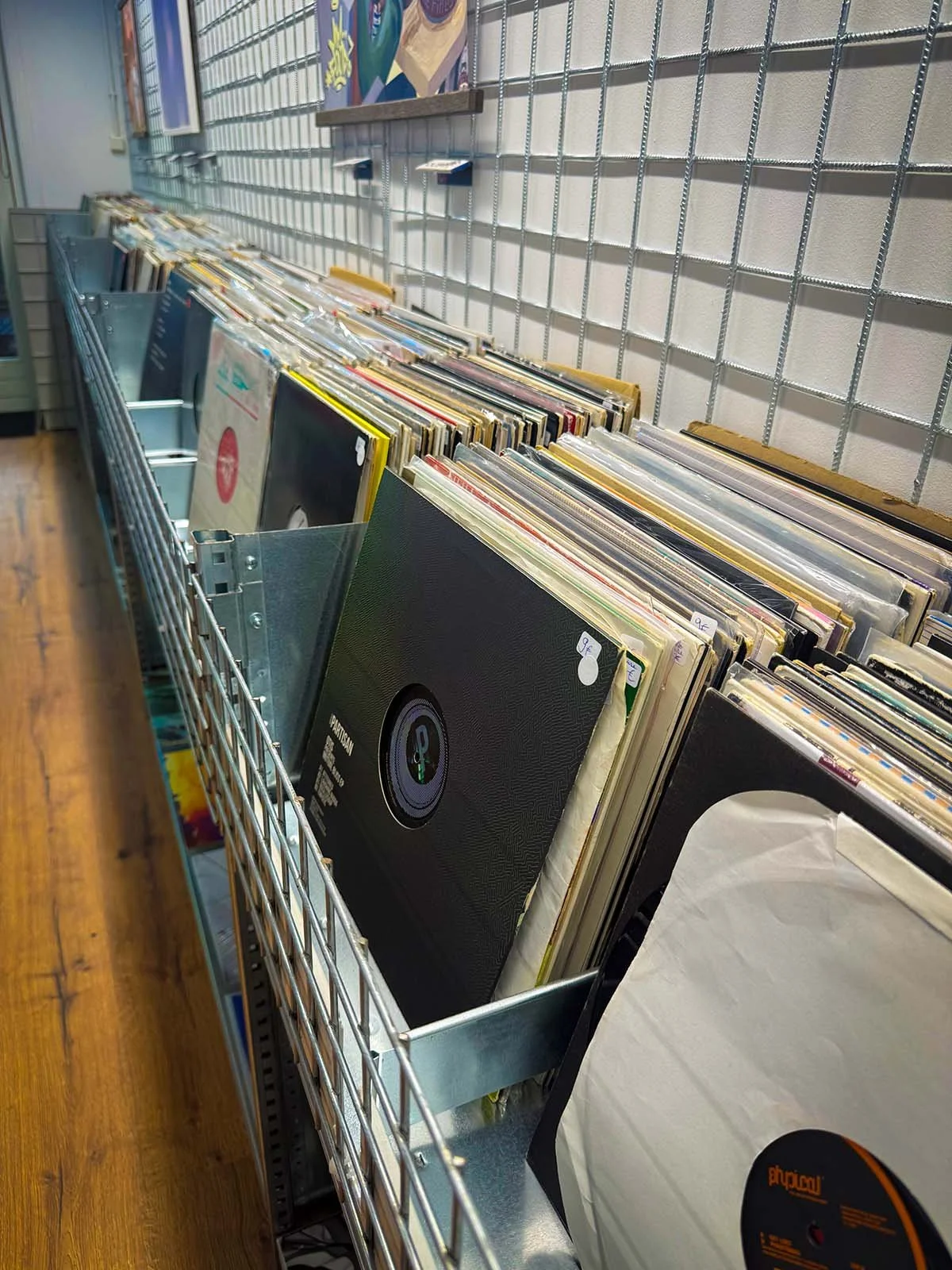
GOT.DRIP Streetwear & Records is one of Amsterdam's newest record shops, but it's already built a loyal following among DJs, collectors and lovers of electronic music.
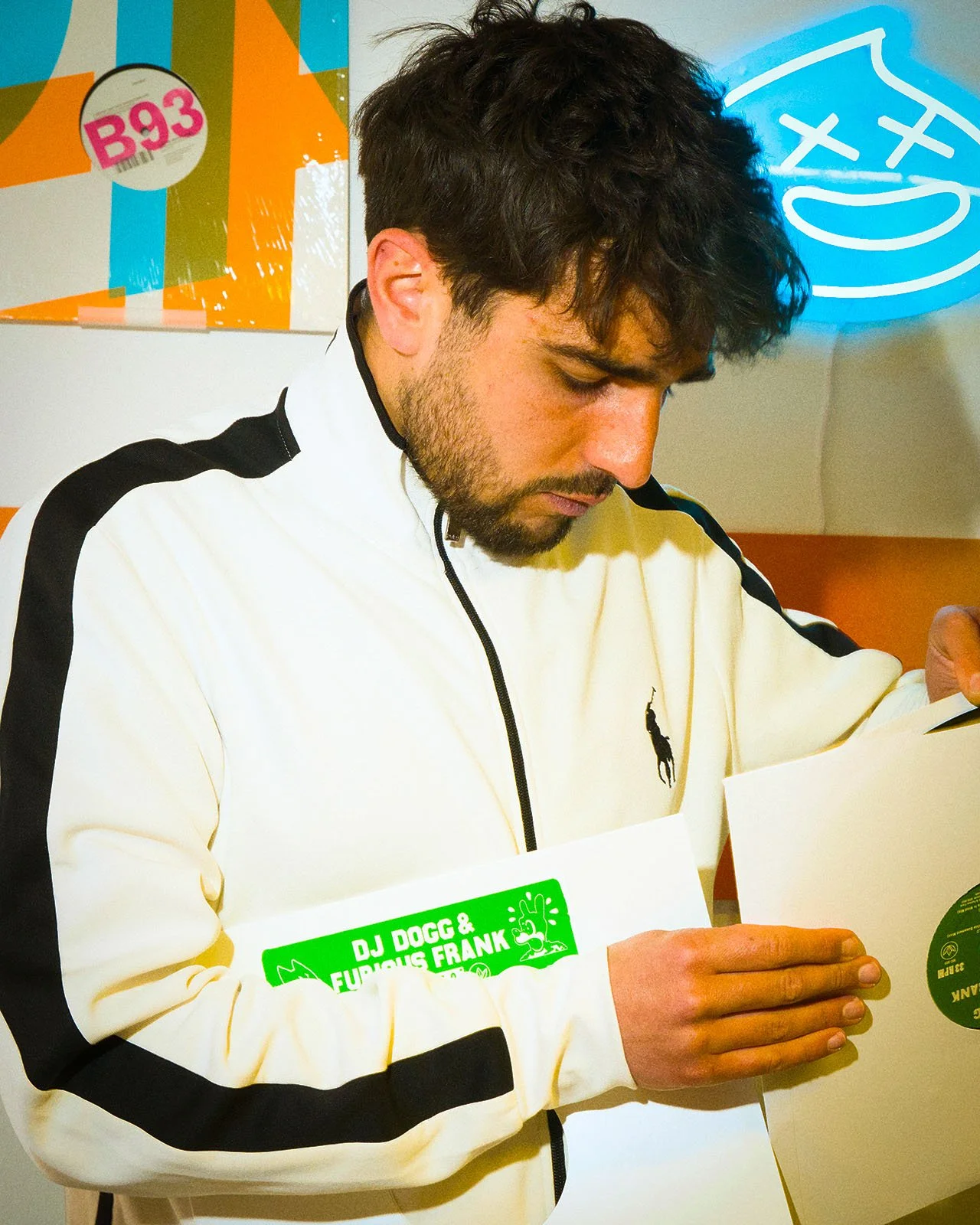
What makes GOT.DRIP special isn't just carefully curated vinyl – it's Gauthier's passion for helping people discover something unexpected.
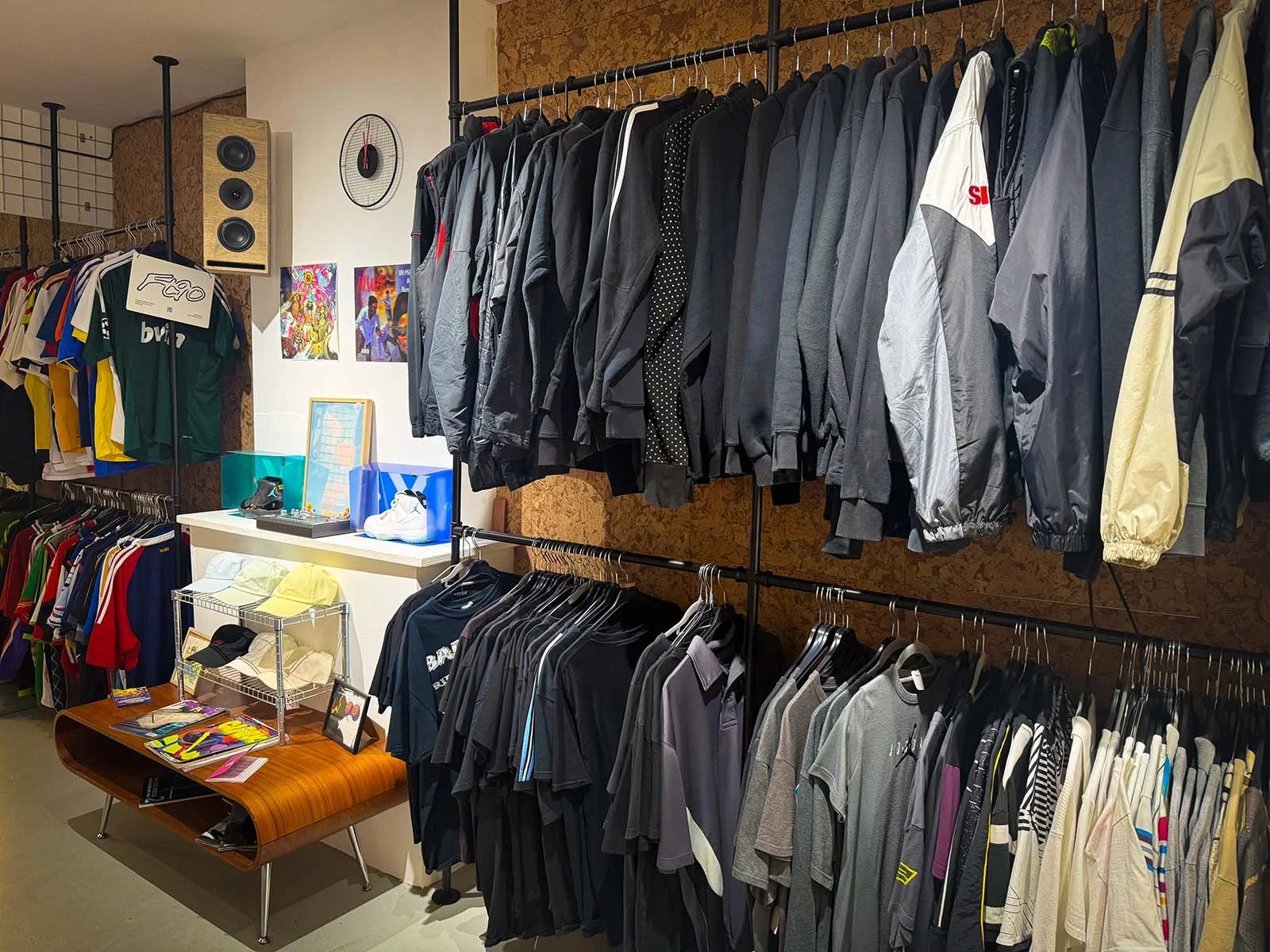
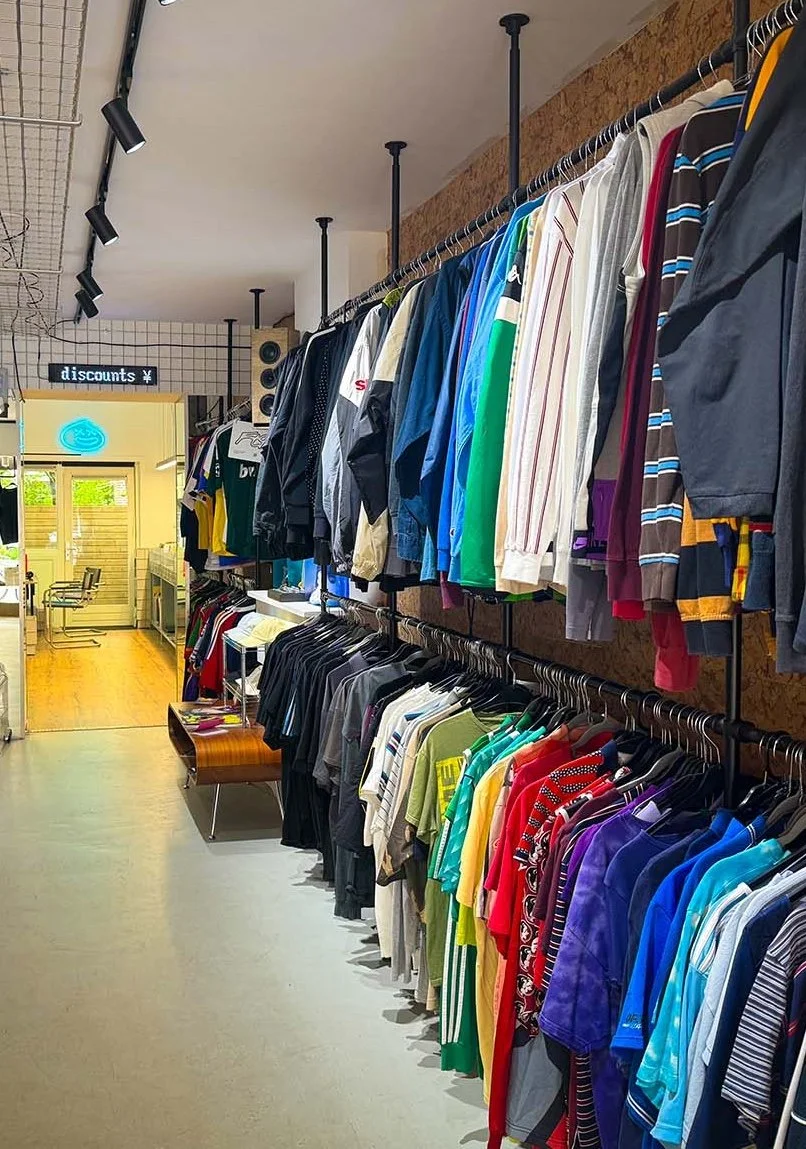
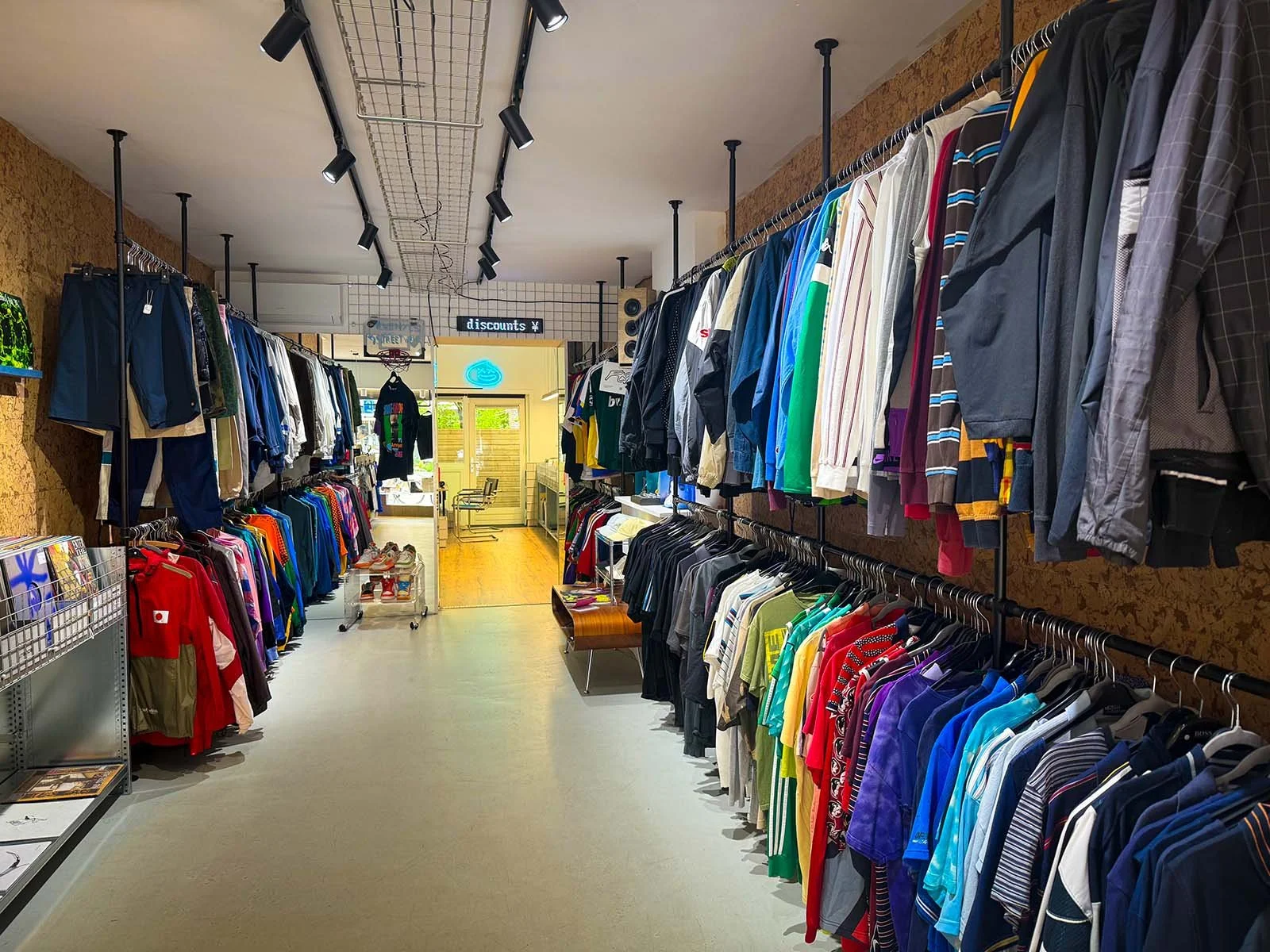
After leaving a career in marketing and technology, Gauthier opened the shop in late 2025, bringing together two lifelong interests: underground electronic music and carefully selected streetwear.
Every record on the shelves has been chosen by hand, creating a collection that's deeply personal and full of treasures waiting to be discovered.
We sat down with Gauthier to talk about his journey into vinyl, why curation matters more than ever, and how GOT.DRIP has become a place where music lovers can slow down, dig through records and spend time together.
visit GOT.DRIP Streetwear & Records at De Clercqstraat 72H, 1052 NK Amsterdam. Open Tuesday 12:00 to 19:00, Wednesday and Thursday 11:00 to 19:00, Friday and Saturday 10:00 to 19:00, closed Mondays
follow GOT.DRIP on Instagram, @got.drip.ams
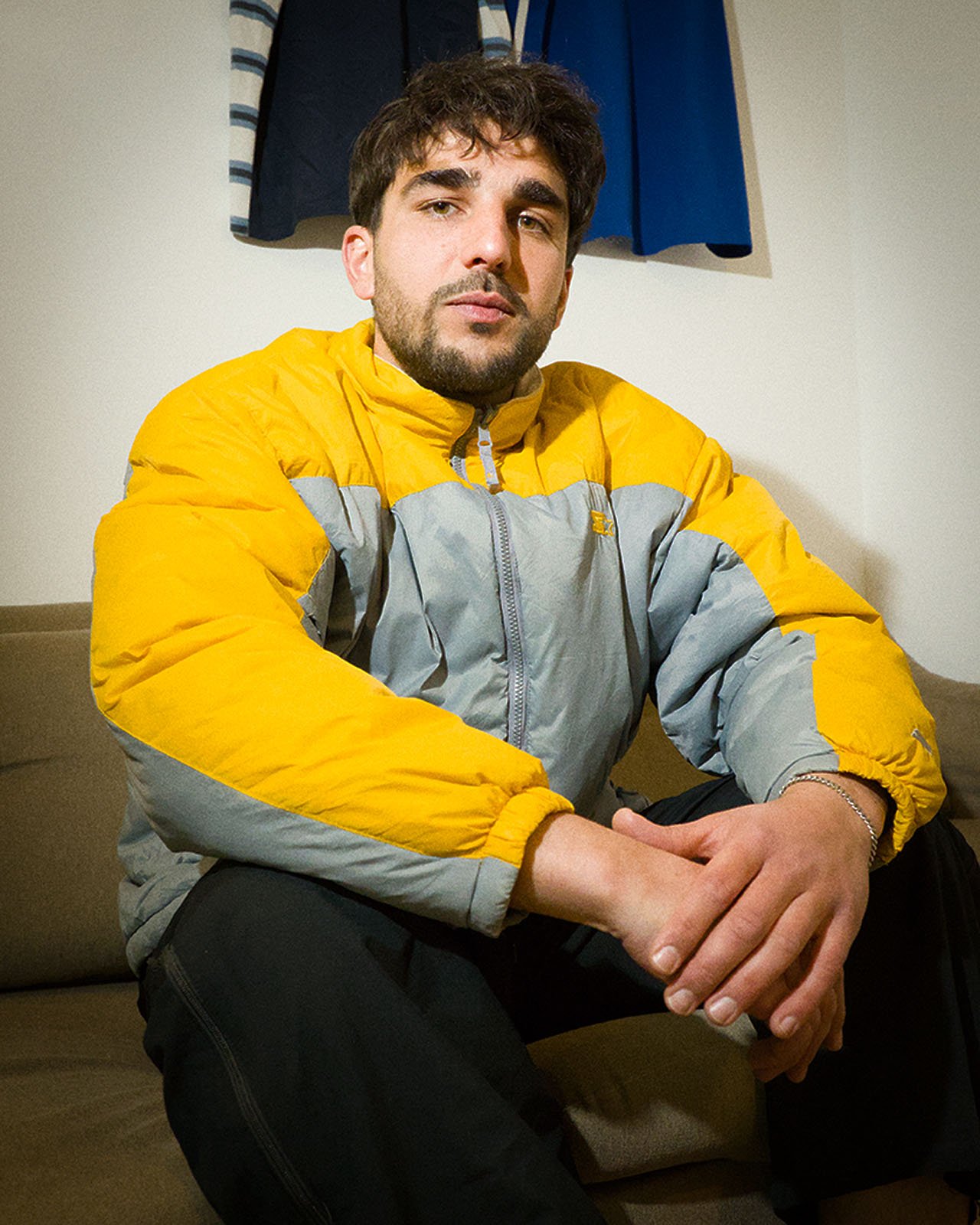
An interview with GAUTHIER, owner of GOT.DRIP
How did GOT.DRIP Streetwear & Records start?
The story starts with records. I was born in 1996, so I grew up at a time when vinyl wasn't part of everyday life. CDs were everywhere, then MP3s and streaming started taking over.
I first discovered vinyl through my grandparents and my dad's old collection. Most of their records were old French songs, but my mom had one Bob Marley album – ‘Uprising’ – that really stood out for me. That's still one of my favourite albums, and it became the first record in my own collection.
I found a little turntable at a garage sale and started listening to records, but it took a few years before vinyl became a real passion.
That happened naturally through electronic music. I started as a big hip-hop fan, but in the early 2010s I discovered dubstep – which led me to techno, house, minimal and dub. I started going to clubs and raves, and became interested in DJs and producers.
I also noticed that whenever a DJ played an all-vinyl set, there was always something special about it. It had an energy that really appealed to me.
At the same time, I was experimenting – learning to DJ on CDJs and eventually mixing vinyl. That's when everything clicked. I started buying my favourite hip-hop albums on vinyl and, whenever I travelled somewhere new, I'd always visit the local record stores.
When I first came to Amsterdam, I naturally visited all the great local record stores. I also found great record shops in my home town, Bordeaux, and in other cities I visited. Around the same time I discovered Discogs, which was an amazing way to explore music and build my collection. Little by little, I ended up owning a few hundred records.
Looking back, I think what attracted me wasn't collecting records – it was the process of discovering them. I love digging for music that people don’t know about. It's not about being a purist or telling people they're listening to the wrong thing. It's about being curious and constantly discovering new artists, labels and sounds.
Eventually I realised that I enjoyed searching for records as much as I enjoy owning them.
You left a career in marketing and technology to open a record shop. Was that a difficult decision?
In some ways it was, but I also realised I couldn't imagine spending the rest of my working life in the corporate world.
I worked in marketing, sales and technology – and although the people were great, I never felt that environment suited me. I kept thinking that if we're expected to work until we're nearly 70, I didn't want to spend decades doing something that didn't excite me.
I'd rather spend my time doing something I genuinely love while I'm still young enough to enjoy it.
The idea for the shop came to me while I was at a music festival in France. There were stalls selling vintage clothing, jewellery and other interesting things, and one stand specialised in carefully selected second-hand streetwear. I remember thinking, "I'd love to create something like this."
Because I'd already been collecting records for years, it seemed natural to combine the two interests.
I spent about a year writing the business plan and financial forecasts while still working four days a week. Then I found this space, handed in my notice and opened the shop just before Christmas 2025.
It was a big leap, but I haven't looked back.
I was also inspired by my big brother, who’s an entrepreneur and opened two bars in Bordeaux. That made me envious enough to open own my business – and he’s a great source of support and advice!
How would you describe GOT.DRIP to someone who hasn’t visited the store yet?
The shop is very focused. I never wanted to stock every genre because I don't think that would be authentic.
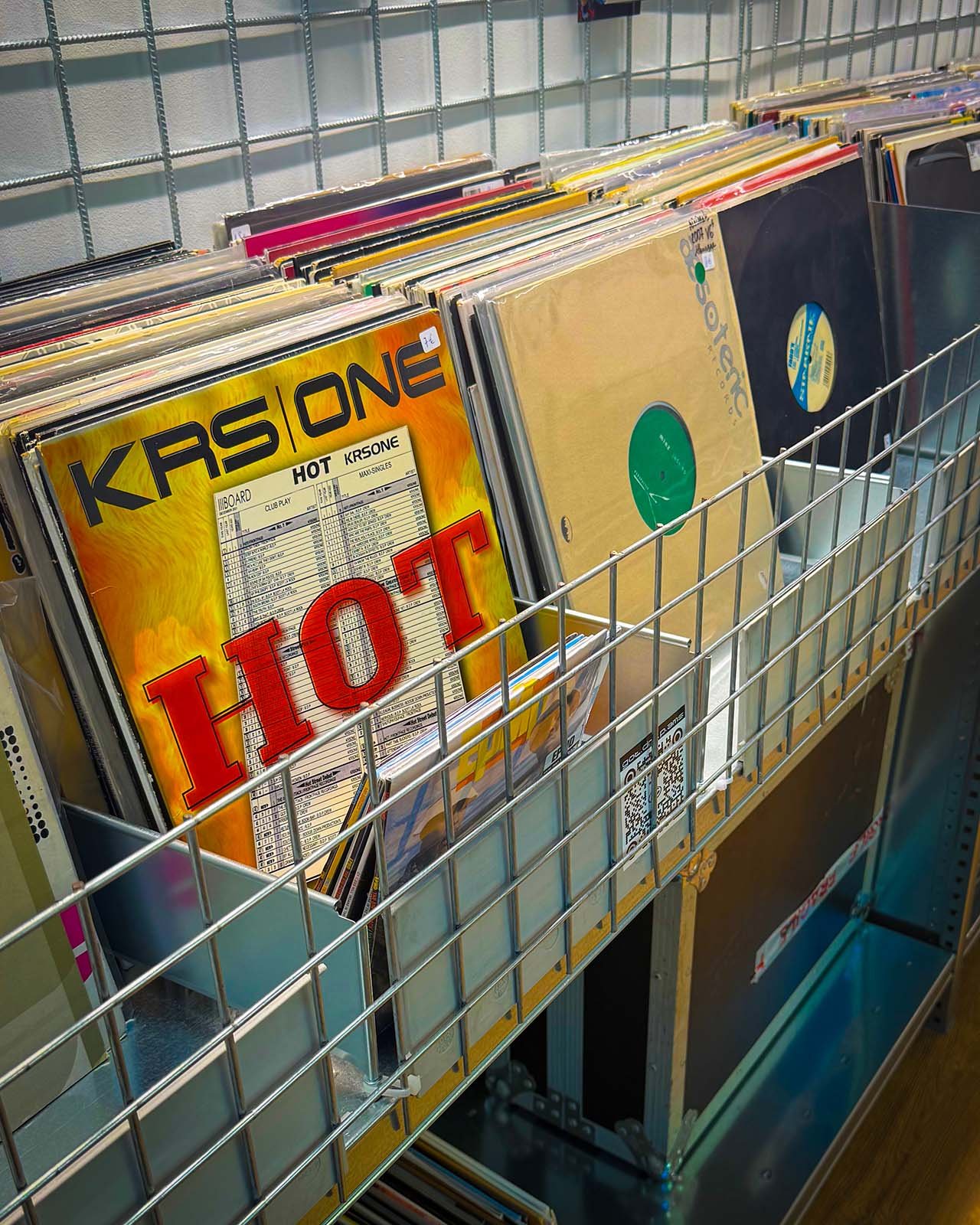
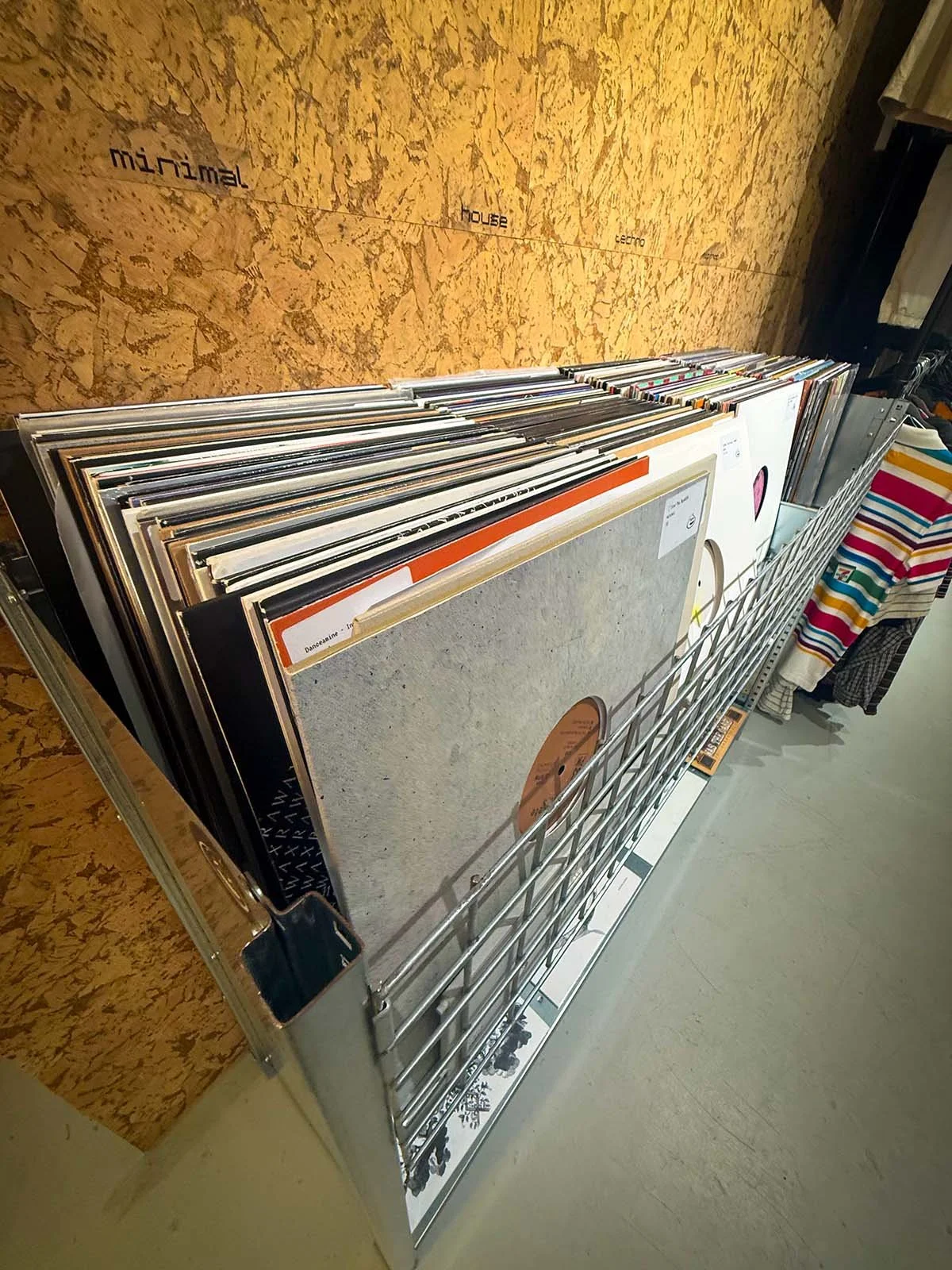
Most of the records here are electronic music – techno, house, minimal, progressive, trance and all the different styles that sit between them. I also stock hip-hop, because that's where my own musical journey began, so you'll find classic hip-hop albums alongside French and American rap releases.
Everything in the shop is selected by me and I carefully curate what ends up on the shelves. If I don't genuinely like a record, it probably won't be here.
I'm proud of my selection because it's personal. DJs and collectors often tell me they've discovered records here that they haven't seen anywhere else, and that's exactly what I want people to experience.
Rather than trying to appeal to everyone, I'd rather have a carefully curated collection that people can lose themselves in.
How do you find the music you select for your store?
I find records in lots of different ways. I buy collections, search online, travel to meet sellers and spend hours listening to records before I decide what belongs in the shop.
Curating is probably my favourite part of the job. I could buy much bigger collections, but I'd rather take the time to listen and choose records individually.
That's why the shop has a strong identity. If you're into electronic music, you'll find a broad range of styles here. There are new releases alongside second-hand records, so people can discover both classics and new artists.
You're also involved with Leitmotiv Records (@leitmotiv_records). How did that relationship develop?
Leitmotiv Records has been a really important part of my journey.
The label was started by my friend Pier Labatsuzan and Victor Beguerie. Pier introduced me to a lot of music I probably wouldn't have discovered on my own. I remember him giving me a USB drive filled with music from his Bandcamp collection. It opened the door to a whole world of artists and labels, especially in minimal music, and really inspired me to dig much deeper.
As I became more interested in collecting and DJing, Leitmotiv Records asked if I'd like to become involved with the label. Of course, I said yes!
At first I helped organise small events and supported the project whenever I was back in Bordeaux. Now the relationship works both ways. Through the shop I meet DJs, producers and artists all the time. People send me demos, and if I hear something I think fits the Leitmotiv Records label, I pass it on.
In a way it's come full circle. Leitmotiv Records helped shape my musical journey, and now the shop allows me to give something back by discovering new artists and helping the label grow.
Many Amsterdam record shops see themselves as part of a community rather than simply places that sell records. Is that something you recognise?
Definitely, although I think that's true of vinyl culture everywhere, not just Amsterdam.
People who buy records usually have a genuine passion for music. They're curious. They want to discover new artists, share recommendations and spend time digging through records. Naturally, those people end up meeting each other.
I think vinyl offers something that's different from streaming. Today we're surrounded by algorithms constantly recommending music to us. With records, you have to make more effort. You visit shops, listen carefully, browse through crates and discover things for yourself. Finding a great record feels much more personal.
That's why record shops often become community spaces.
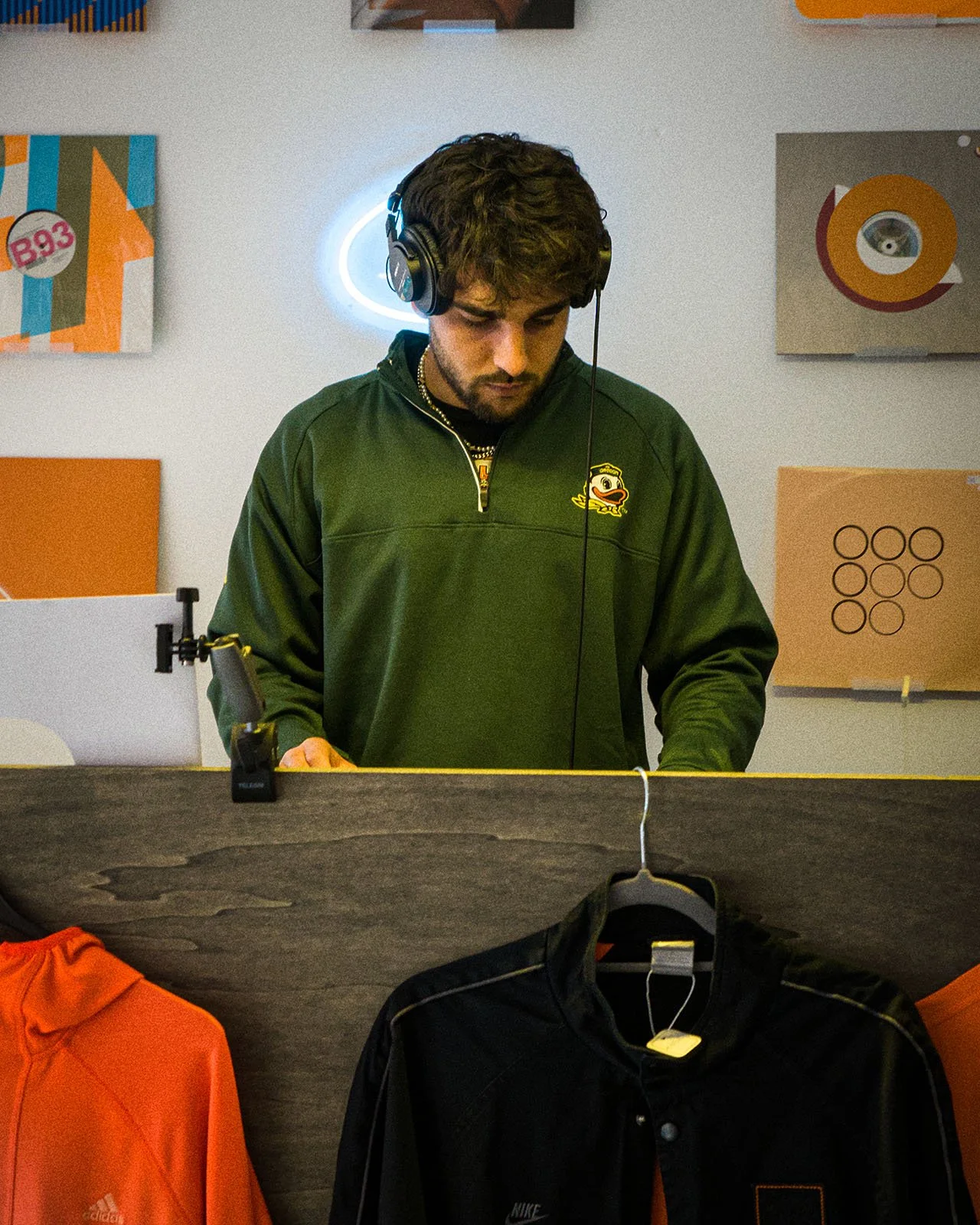
I organise DJ sessions here in the shop, where local DJs come and play vinyl sets. Sometimes they're people I've met through markets or customers who visit regularly. Friends come along, people discover new music, everyone has a drink and enjoys themselves. It's very relaxed.
Of course, it also helps promote the shop – but I think it's a good kind of marketing because it happens naturally. The music comes first, and everything else grows from that.
Ultimately, that's what I enjoy most. The shop isn't just somewhere to buy records. It's somewhere to discover music, meet people and become part of a scene.
You've put a huge amount of work into the design of the shop. What sort of atmosphere were you hoping to create?
I have to give a lot of credit to my sister because she helped shape the whole vision for the shop. She's an interior architect, so she really understood what I was trying to achieve.
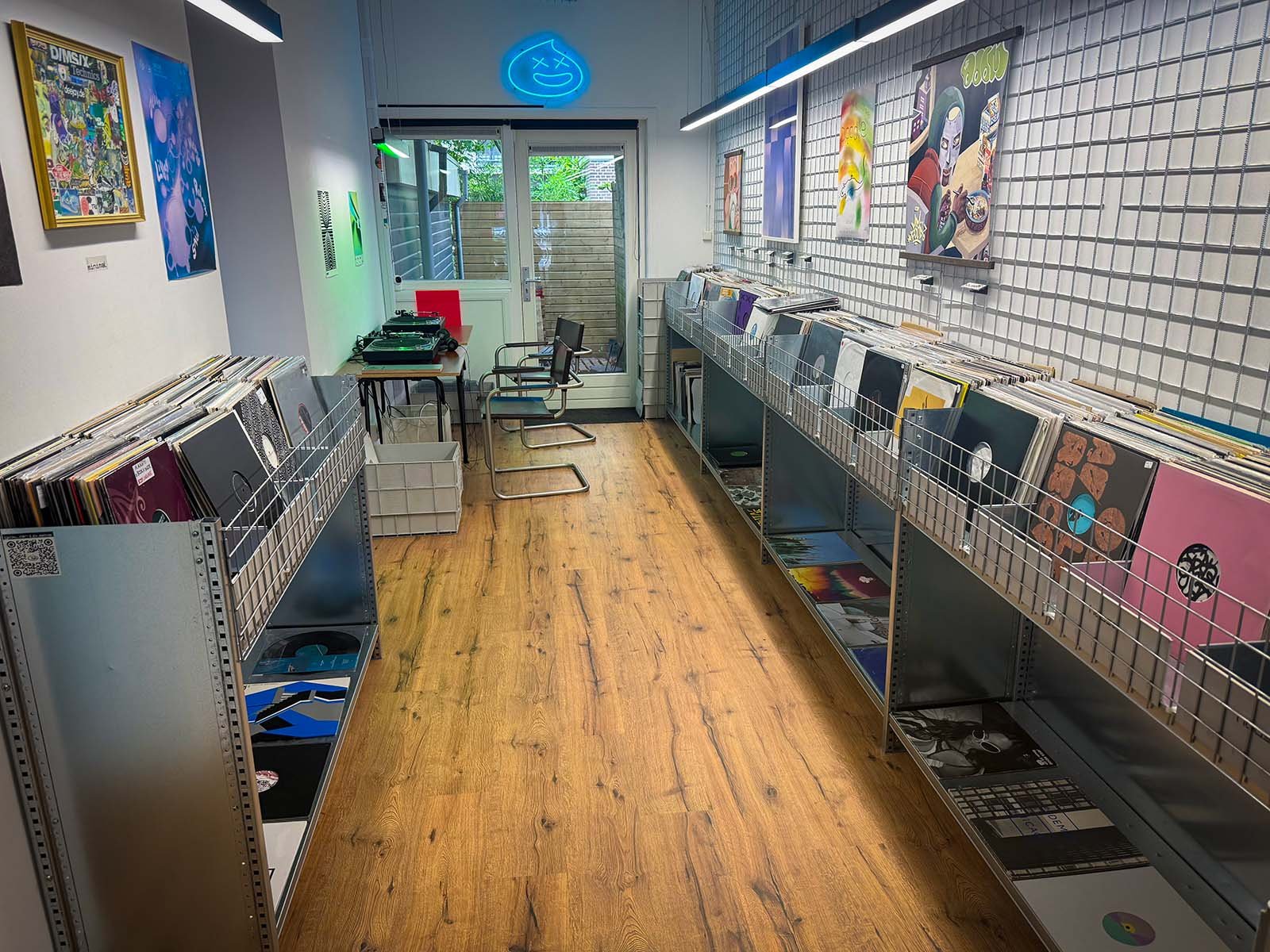
We wanted the space to feel a little industrial, inspired by the clubs I used to love going to, especially De School. It has that raw feeling, but without becoming messy or uncomfortable.
At the same time, it was important that people felt welcome. I wanted somewhere that was interesting to spend time in, not just somewhere to buy records.
A lot of shops today follow a very minimalist style, where less is more. Sometimes I like that, but I also enjoy places with lots of small details that reward you the more time you spend there.
Ultimately, I chose everything in the shop myself, but having my sister's experience helped bring those ideas together.
Have you ever sold a record that you later regretted letting go?
A lot of them. I make my own selection for the store and there are many records I’d like to keep, but I have to let them go and I’ve made my peace with that.
There was one release on Berg Audio called ‘Directions’ that I really liked. It's a beautiful double LP with a fantastic minimal sound. I probably could have kept it for my own collection, but a DJ friend visiting Amsterdam bought it instead.
I'm happy it went to someone who'll appreciate it.
My attitude is that records are meant to be played. There will always be another great record to discover, so I try not to have too many regrets.
What's the rarest record you've ever sold?
I've had a few rare records pass through the shop.
One was by ‘Electronic pirates - Fake EP’ by Electronic Pirates, which sold for around €120. It was one of the cheapest copies available on Discogs at the time, but it's a record that's becoming increasingly difficult to find.
I recently sold a copy of ‘Psychic Harmony’ by Mystic Force, which is another rare record. It's an old-school progressive trance release that's very sought after by collectors, and copies can sell for a few hundred euros.
Have you ever found anything unusual inside an old record sleeve?
Nothing too strange, but I've found plenty of interesting things.
Older records often come with original inserts, postcards, stickers or information sheets that people have kept inside the sleeve for decades. Sometimes you'll even find handwritten messages dedicated to someone – "Happy Birthday, Daniel" or something similar from the 1980s.
I love finding those little details because they remind you that every record has had a life before it reached the shop. You start imagining where it's been, who owned it and why it meant something to them.
Those discoveries make second-hand records feel much more personal.
Are there any records that seem to sell almost as soon as they arrive?
It's still quite early to judge because the shop is relatively new, but I've definitely noticed that classic hip-hop sells very quickly.
Whenever I get original 1990s releases or maxi singles by artists like KRS-One, 2Pac or DMX, they don't stay on the shelves for long.
I've also seen some local electronic releases disappear surprisingly quickly. Sometimes a record arrives and it's gone within a couple of days.
I'm still learning what my customers are looking for, but that's one of the enjoyable parts of running the shop.
Finally, I like to ask every record shop owner the same question. Complete this sentence: "A great record shop is..."
A great record shop is somewhere you can spend time.
It sounds simple, but I think it's important that people can sit down, listen to records properly and enjoy the experience instead of feeling rushed.
It’s just as important is having a carefully curated selection. I'd rather specialise in the music I know and love than try to stock every genre for every customer.
Of course that means some people will come in looking for something I don't have, but that's OK. There are other shops that specialise in those styles.
I'd rather be known for doing one thing really well.
When people tell me they expected to browse for ten minutes but ended up staying for three hours because they kept discovering records they loved, that's probably the biggest compliment I can get.