Elixiroid
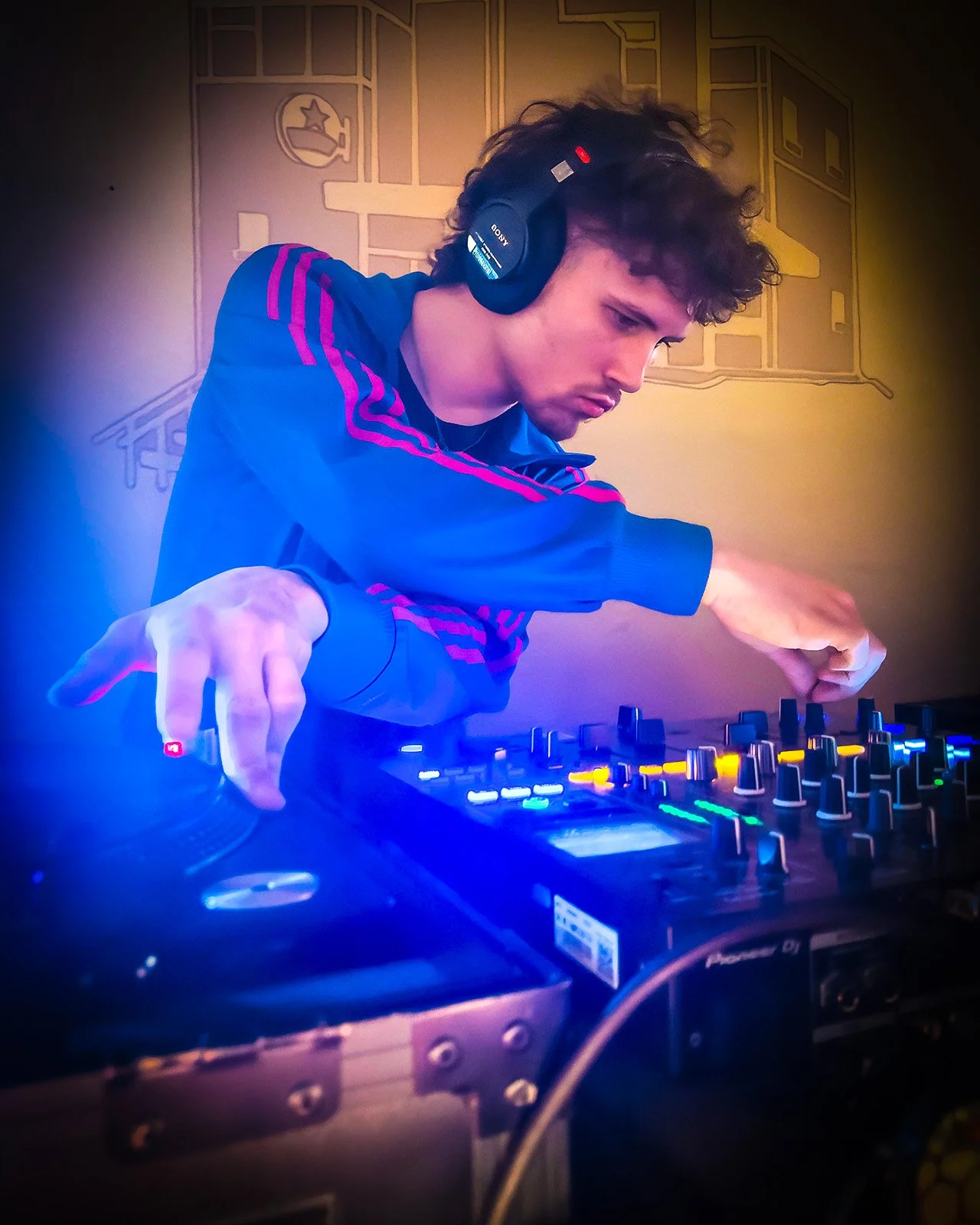
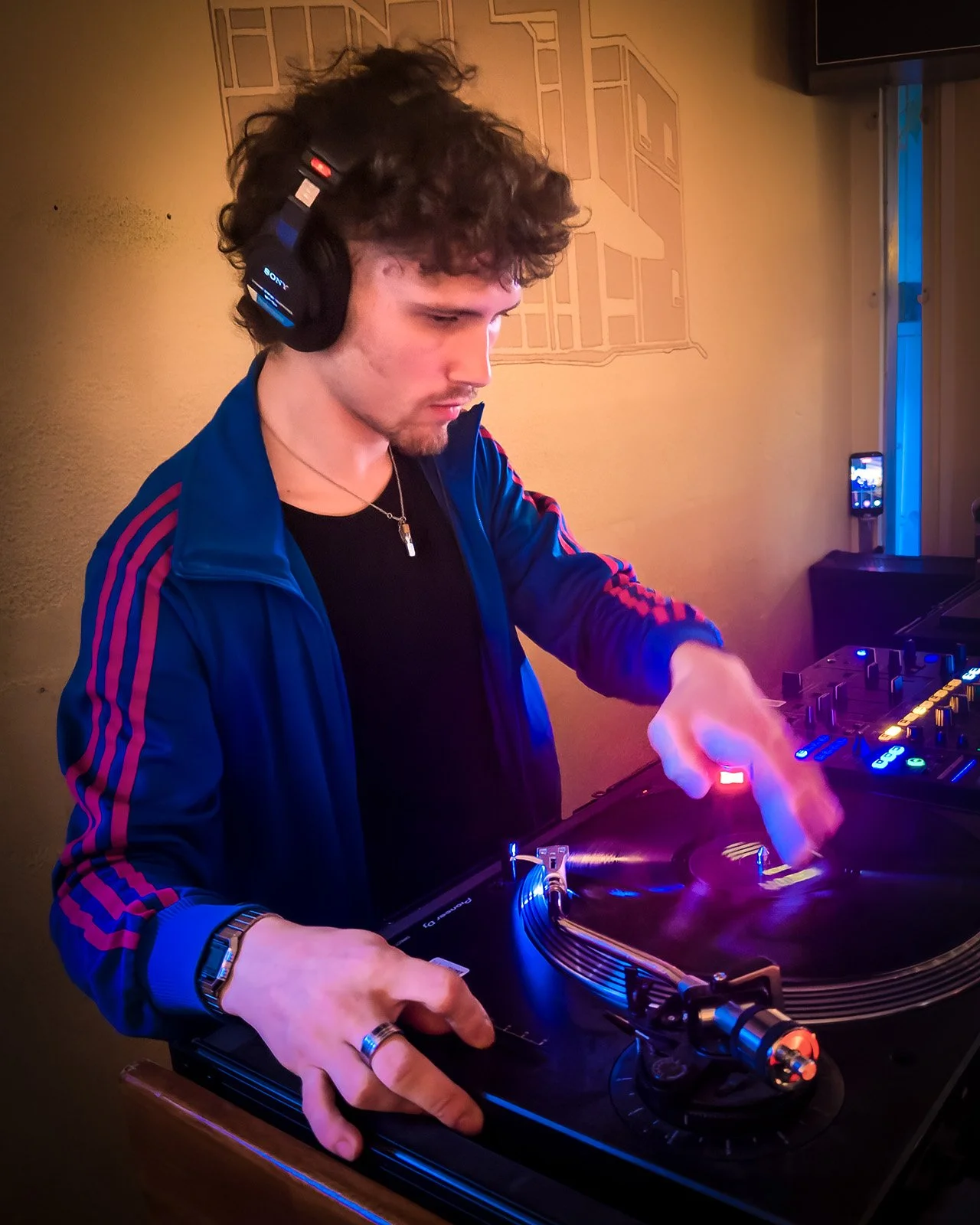
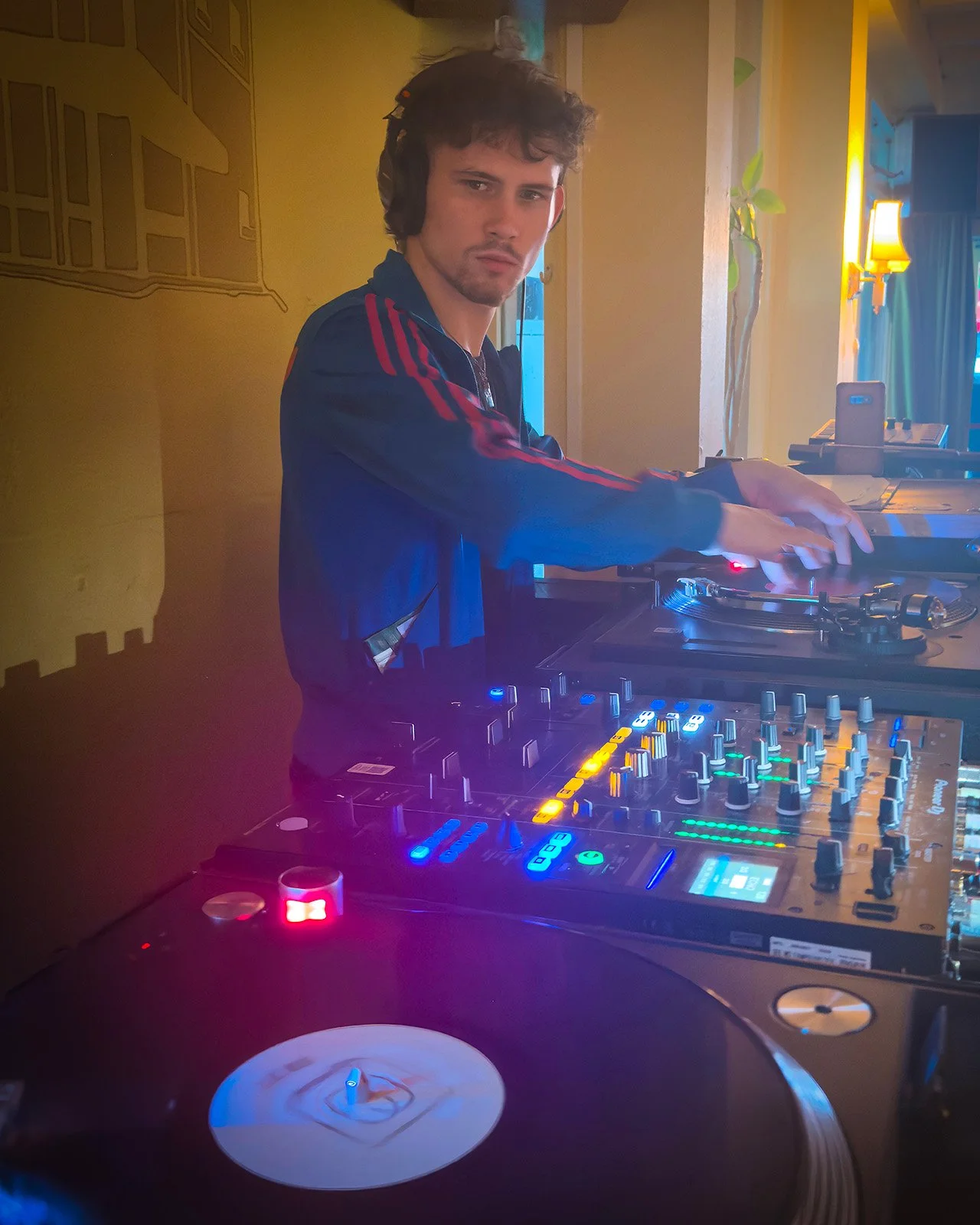
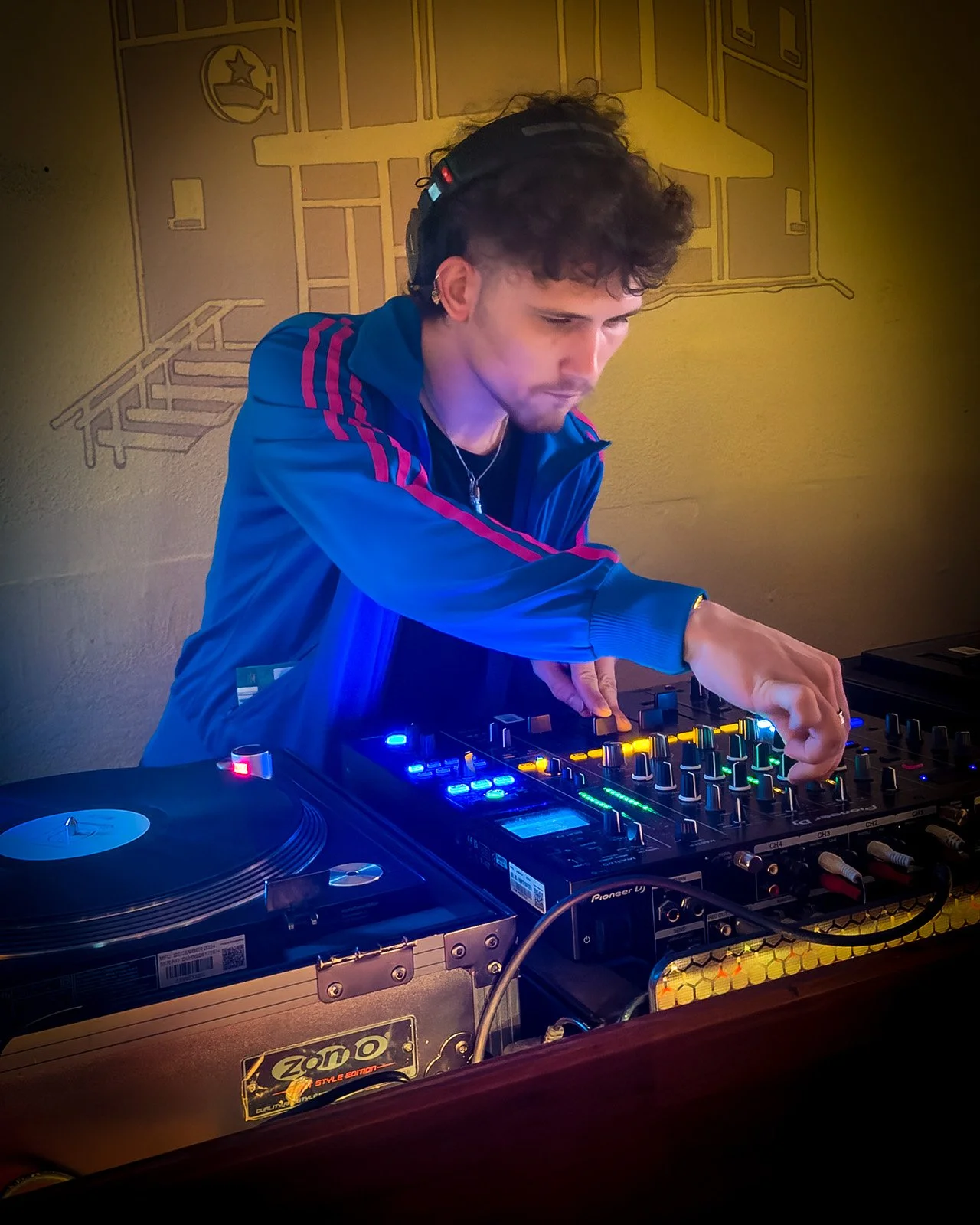
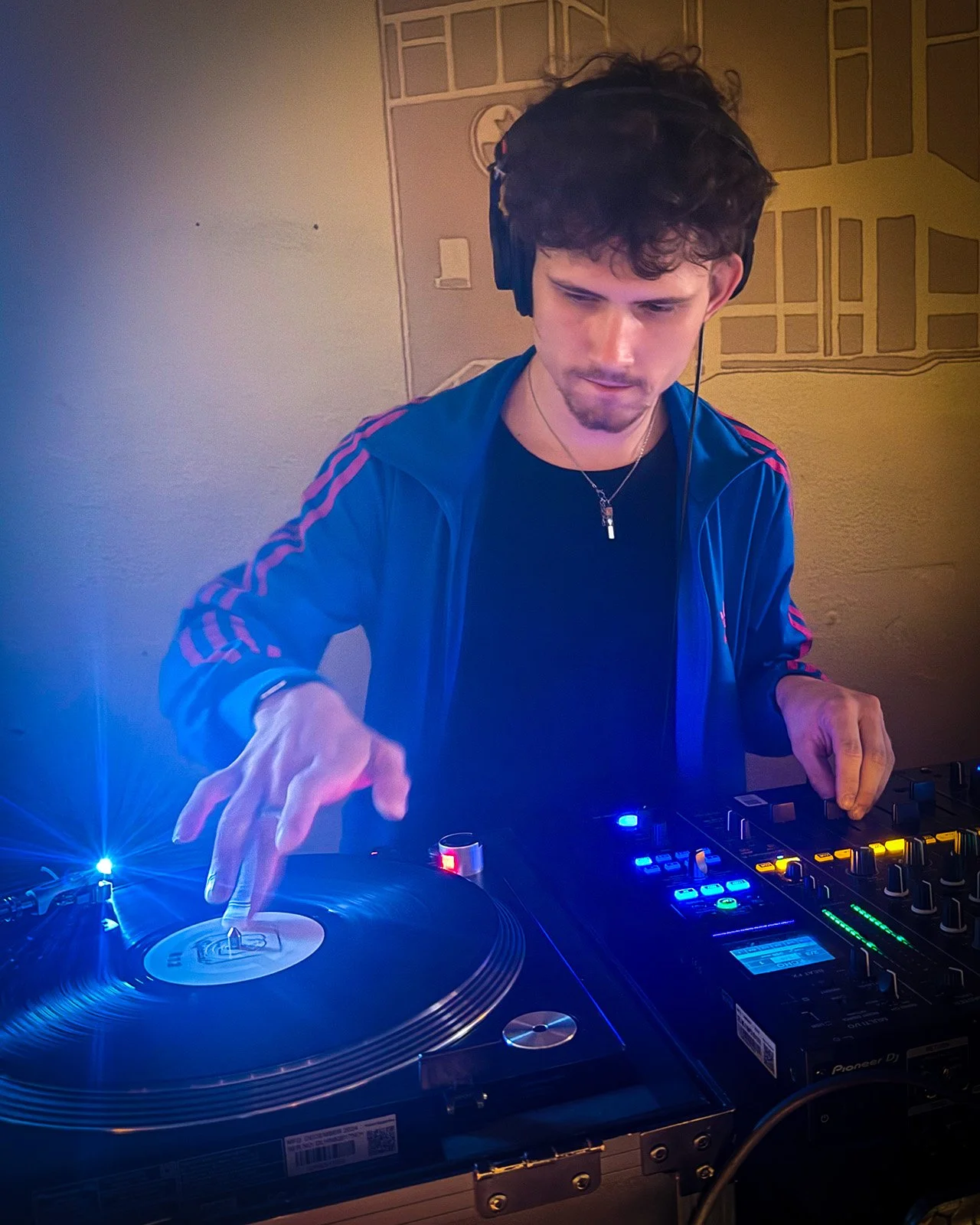
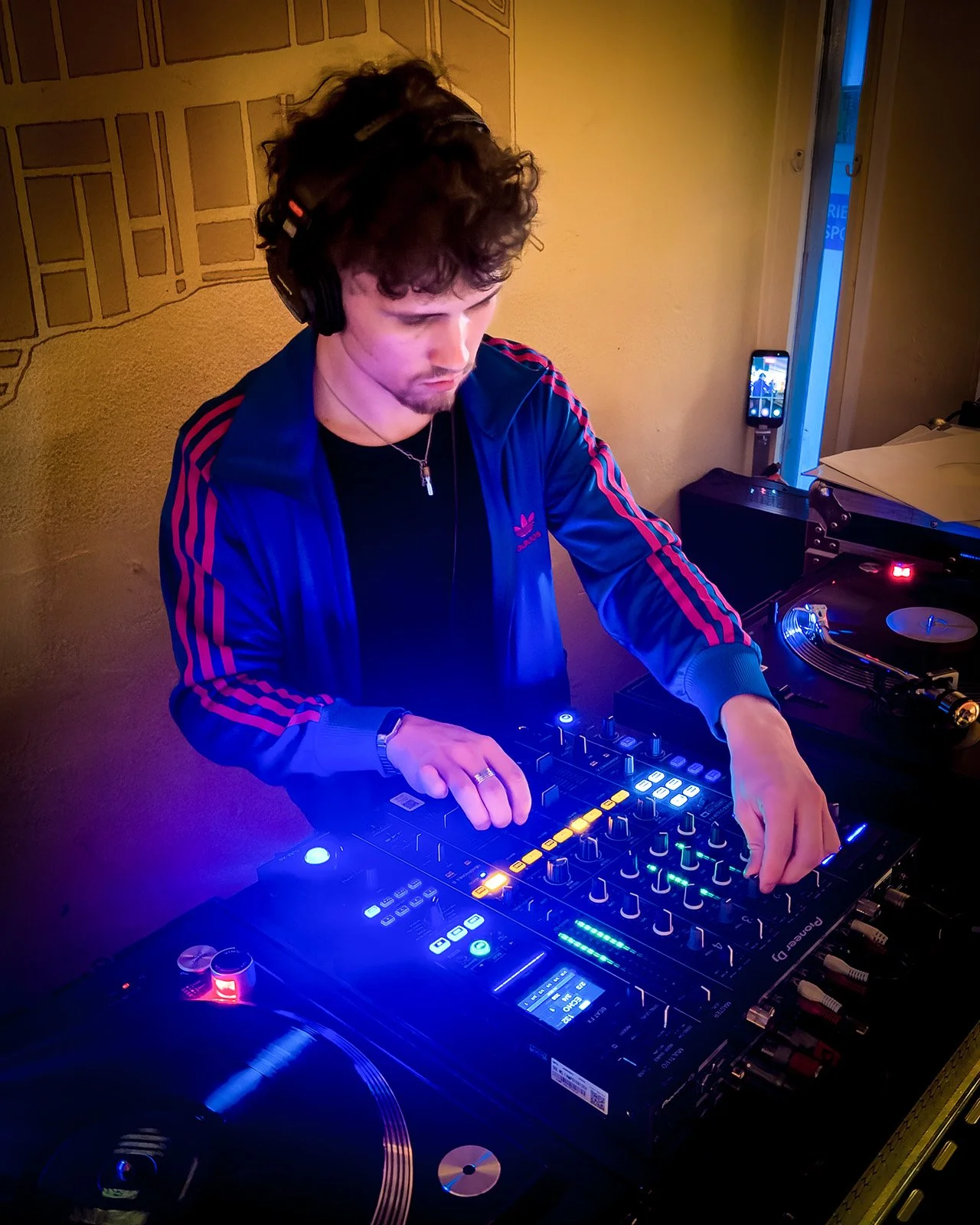
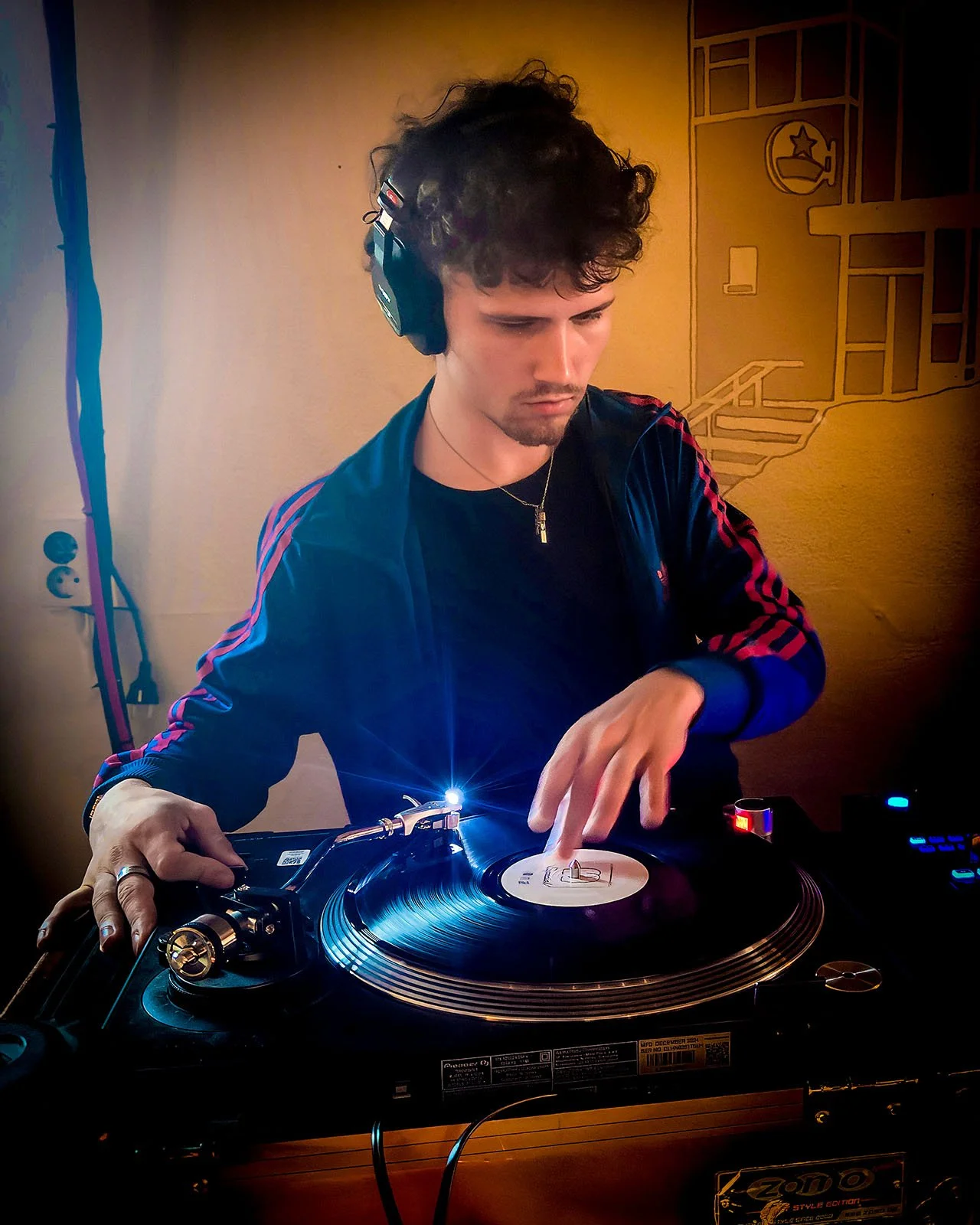
Elixiroid has been making music for as long as he can remember. After beginning with rock’n’roll, studying jazz and discovering Amsterdam’s underground music communities, he bought his first turntables and began building a collection of vinyl and cassettes.
We spoke to Elixiroid about intimate parties, hypnotic sounds, learning to mix, and why physical music carries a weight that digital files cannot reproduce.
Elixiroid played at Amsterdam Vinyl Club on:
30 July 2026
Meet Elixiroid on Instagram, @elixiroid.ua
An interview with Elixiroid
First, how did the name Elixiroid come about?
Elixiroid is my original artist name. I sometimes also use Play Boyko because my surname is Boiko – so I thought Play Boyko sounded fun.
How did your musical journey begin?
I’ve been a musician for as long as I can remember.
I started with rock’n’roll and bands such as The Doors. I played music for many years and later began studying jazz in Amsterdam.
I studied jazz for two years, but then I dropped out after becoming more interested in underground music.
How did Amsterdam’s underground scene influence you?
Amsterdam has squats and small communities where you can discover some very interesting underground music.
When I began listening to that music and visiting those spaces, I realised it was something I wanted to become part of myself.
Around a year ago, I bought my first turntables and began DJing. Since then, things have developed quickly, and I keep moving further into it.
What are those underground parties like?
They don’t feel like ordinary raves. They’re more intimate and can almost feel like rituals.
People might drink tea, have conversations, listen closely, and share a relaxed atmosphere. I haven’t experienced aggression at those parties. They feel much more centred on love and community.
The music isn’t simply playing in the background. People really dive into it.
What kind of music do you play?
I find it difficult to describe my sets as one single journey because there can be several different journeys within them.
I play deep, hypnotic and ritualistic music. The atmosphere can change throughout the set, but I want the experience to remain immersive and enjoyable.
How quickly has your record collection grown?
I collected around 200 records during my first year of DJing.
Building a collection requires a lot of money, time and energy, but I’m very happy with what I’ve found so far.
Where do you find your music?
I find records in many different places.
Some come directly from friends who produce and release their own music. I also buy from record stores and Discogs.
I’ll search anywhere that might have the particular sound I’m looking for.
Do you only DJ with vinyl?
I DJ using vinyl and cassettes. I love the imperfect, slightly eerie character of analogue sound. That texture is an important part of the music for me.
Have physical formats always been important to you?
Yes. My father and my mother listened to cassettes, so that format was part of my life from an early age.
I also release my own music on cassette – some of my releases are only available in that format.
I respect cassettes, vinyl and analogue media because they’re physical. You can touch them and feel their weight in your hands.
What else do physical formats offer that digital music doesn’t?
A digital file can disappear with a single click. Deleting it is almost too easy.
When you hold a cassette, you can feel the texture of the music. The format has its own character and its own limitations, and those things affect how you experience the sound.
Analogue music feels more tangible to me.
Is there a particularly rare record in your collection?
I spent around €200 on a copy of ‘Atlantic Avenue’ by Francis Harris and Dave Mothersole.
I couldn’t find another copy anywhere online, and only a small number were originally pressed. It was released in the early 2000s, so it has become extremely difficult to find.
I bought the last available copy I could find.
When collecting, are there any records that are your holy grail, but you’re having trouble finding?
It was graded ‘very good plus’, but when it arrived, it looked almost ‘near mint’.
I was very happy because it was a record I genuinely wanted, rather than something I bought simply because it was rare.
Do you also enjoy discovering music you weren’t searching for?
Absolutely. Sometimes I’ll be digging through records and listening to one after another when I suddenly discover something completely new to me.
Those unexpected discoveries are an important part of collecting.
How much time do you spend practising at home?
I don’t practise alone as much as people might expect. Sometimes I play for myself or invite friends over, but most of my learning happens when I’m preparing to play somewhere.
Having opportunities to perform motivated me to learn quickly. Within my first few months, I’d started mixing and working through the common problems new DJs encounter, including beatmatching.
Do you feel comfortable behind the decks now?
I feel much more comfortable than I did when I started. There’s always more to learn, but the basic technical side now feels manageable. I can focus more on the music and the direction of the set.
What would you still like to improve?
I want to make the transitions between tracks as long and smooth as possible.
That’s especially difficult with cassettes. Beatmatching vinyl is much easier because you have more physical control over the record.
Cassettes are harder to adjust precisely, particularly when you want to hold two grooves together for one and a half or two minutes. That challenge is something I'd like to keep exploring.