CITY RECORDS
City Records started with a redundancy, a chance conversation in a pub and a decision to take a risk.
But more than a decade later, the shop on Geldersekade has become a favourite with collectors searching for jazz, Brazilian music, world grooves and other carefully chosen records that are hard to find anywhere else.
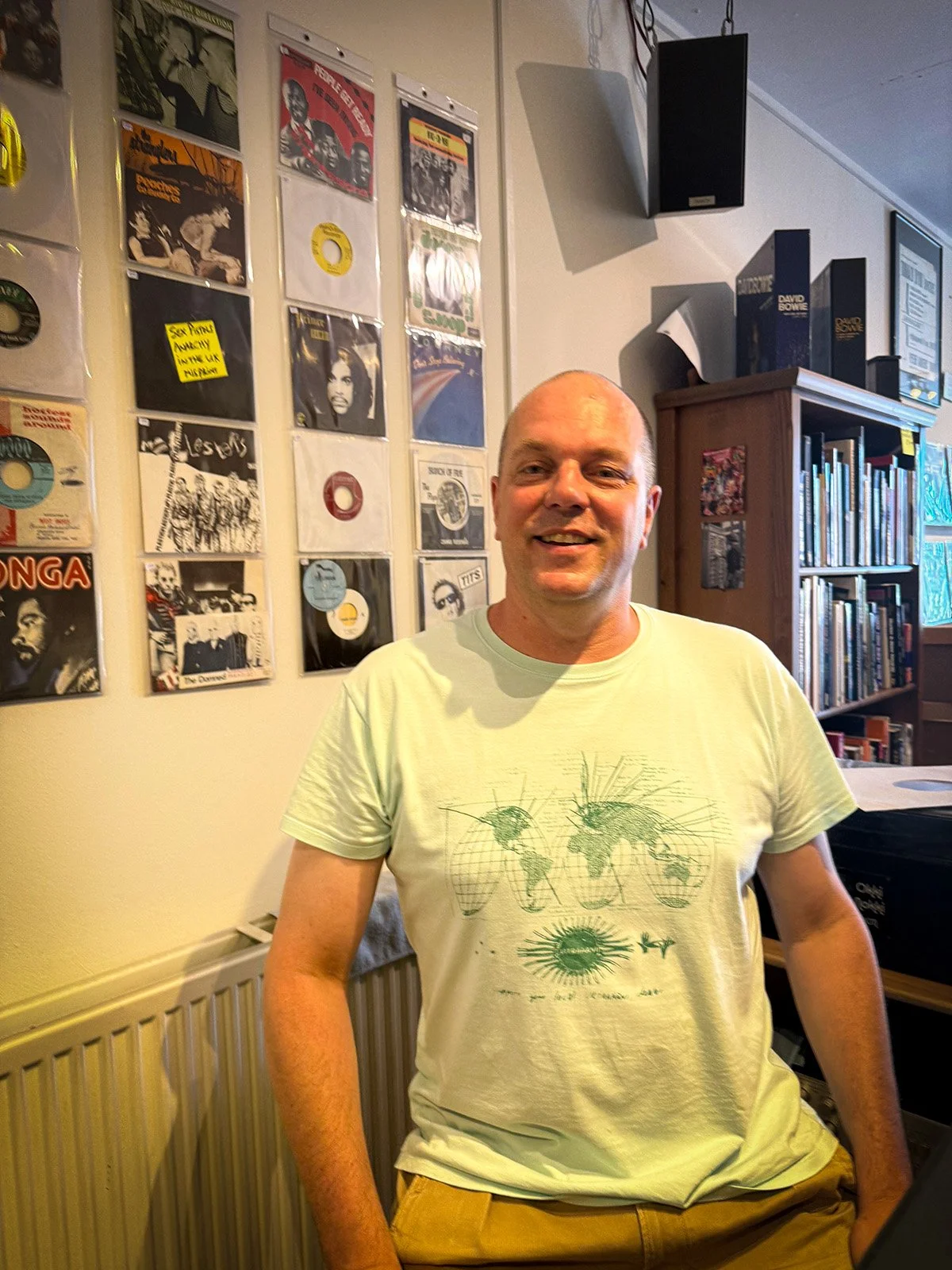
Owner Jasper Derksen has shaped City Records around the music he loves, giving the shop a clear identity in Amsterdam’s diverse record-store scene.
We sat down with Jasper to talk about leaving his old work behind, opening a record shop at the beginning of the vinyl revival, and why the best record shops should always have a few surprises.
visit City Records at Geldersekade 100A, 1012 BM Amsterdam. Open Tuesday to Saturday 11:00 to 18:00, closed Sunday and Monday
follow City Records on Instagram, @cityrecordsamsterdam
An interview with Jasper Derksen, City Records
How did City Records begin?
I used to do something completely different and spent about 20 years working in finance. I actually started on the stock exchange as an errand boy, fetching coffees, sandwiches and stuff like that – but somehow it turned into a career.
Throughout that period I was buying lots of music – first CDs, then records.
Eventually there was a reorganisation at the bank where I worked and I was made redundant.
That evening I went to the pub to drown my sorrows, and met a friend who owns an art gallery on Geldersekade. There was an empty warehouse nearby that was waiting for planning permission before being converted into a hotel, and he suggested I use part of it as a temporary shop.
I thought, "If I don't do it now, I'll probably never do it."
The only problem was that I didn't really have any stock.
So I started by pulling a few hundred records from my own collection, buying a pretty terrible collection from a Belgian thrift store just to fill the shelves, and opened the shop in 2013. Sometimes you just have to take the plunge.
It was tough at the beginning as the shop took a while to get established, and because I was used to having a fixed income and knowing what money I’d have each month.
It’s good to start something for yourself, but you’ve also got to consider your mortgage, the rent on your shop and a hundred other things. But I was lucky because I opened the store at just the right time – it’s been 13 years now, so I must be doing something right!
Have you always been in this location?
The first shop was further down the street, in what’s now the Hotel Mai building. But after I was there for two years the redevelopment finally started, so I had to move.
The building we’re in today used to be a gallery specialising in modern Russian art, and I heard the owner was planning to leave. I spoke to him, found out who managed the building, and managed to move straight in.
It worked out really smoothly. I only moved a little further along the street, so customers were able to find me again quite easily.
As City Records launched in 2013, right at the start of the vinyl boom, it must have been an interesting time to own a store?
Yes, when I started out vinyl was really popular again, and that lasted for a few years.
But I think the big vinyl craze is over now. For a while everyone was buying records, but for many people it was just a fashion statement – people would put record sleeves on the wall, rather than listening to them.
But a large percentage of the people who started buying vinyl in the early-2010s are still collecting records, so there’s still plenty of interest.
I’m lucky because business is still good. Running a record store you have no illusions that you’re going to be driving a Bentley one day, but that was never for me. So long as I’m happy, that’s the most important thing – and running this store is much more satisfying that my career in finance.
How would you describe City Records to someone visiting for the first time?
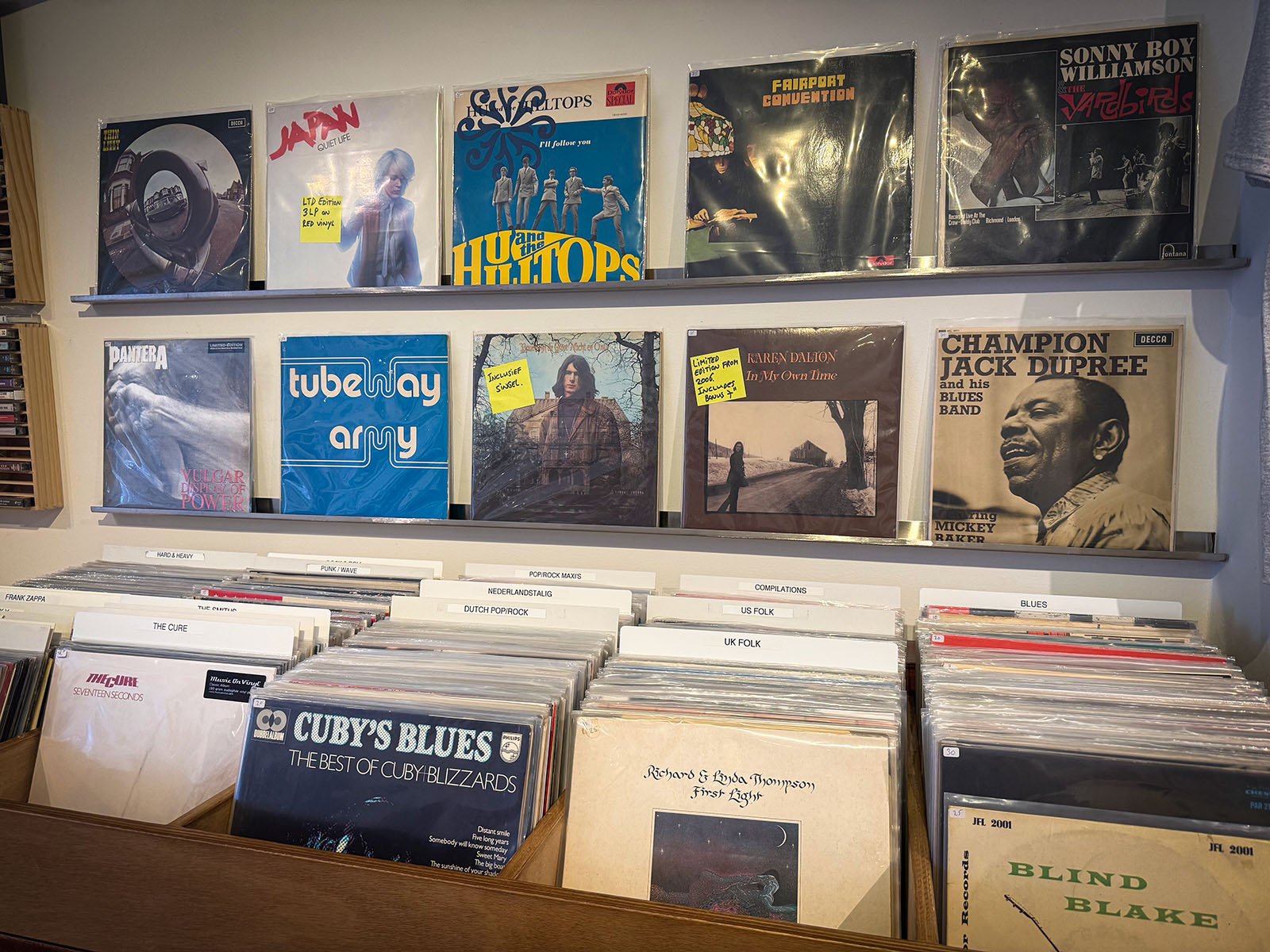
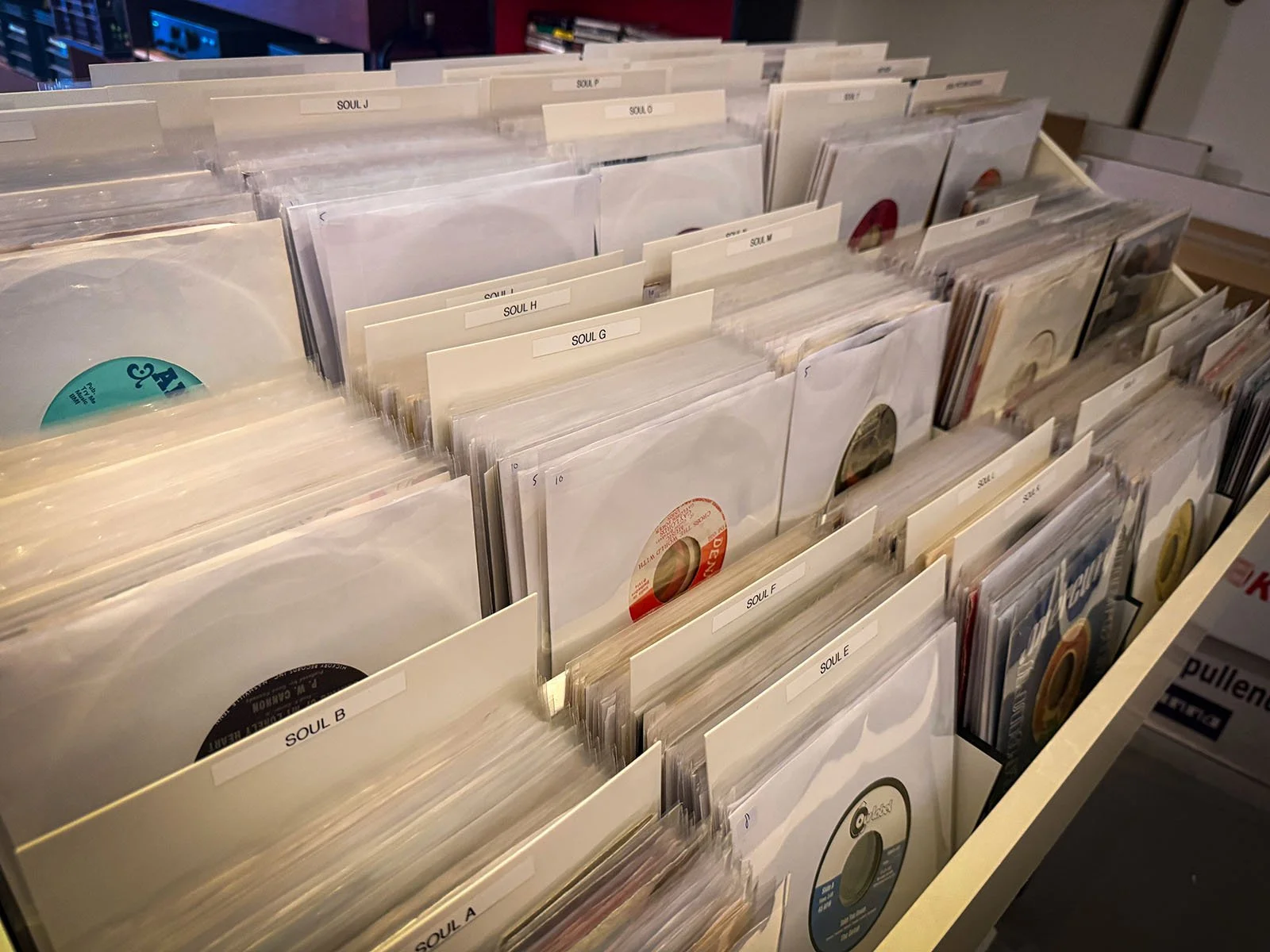
We have a bit of everything.
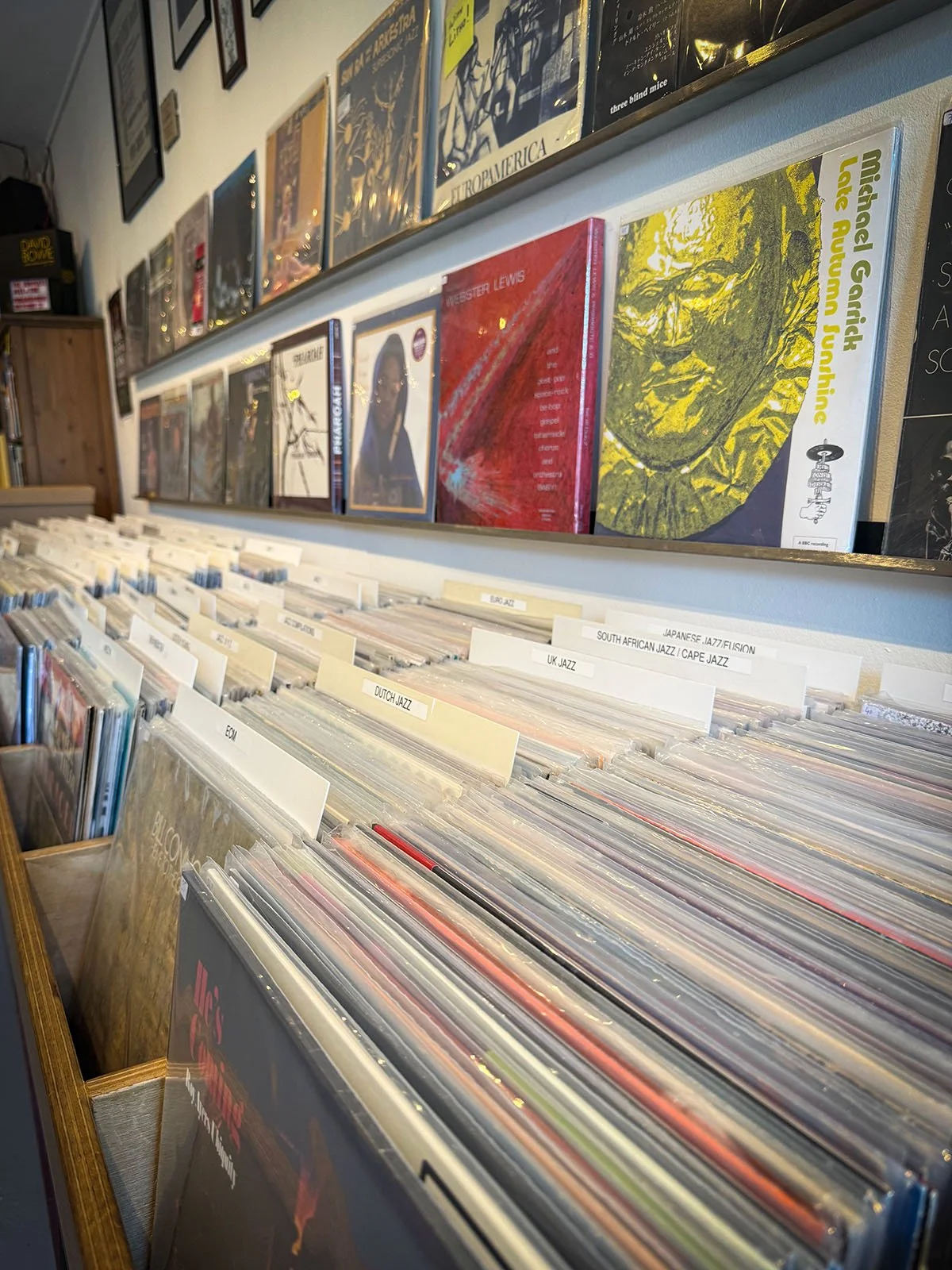
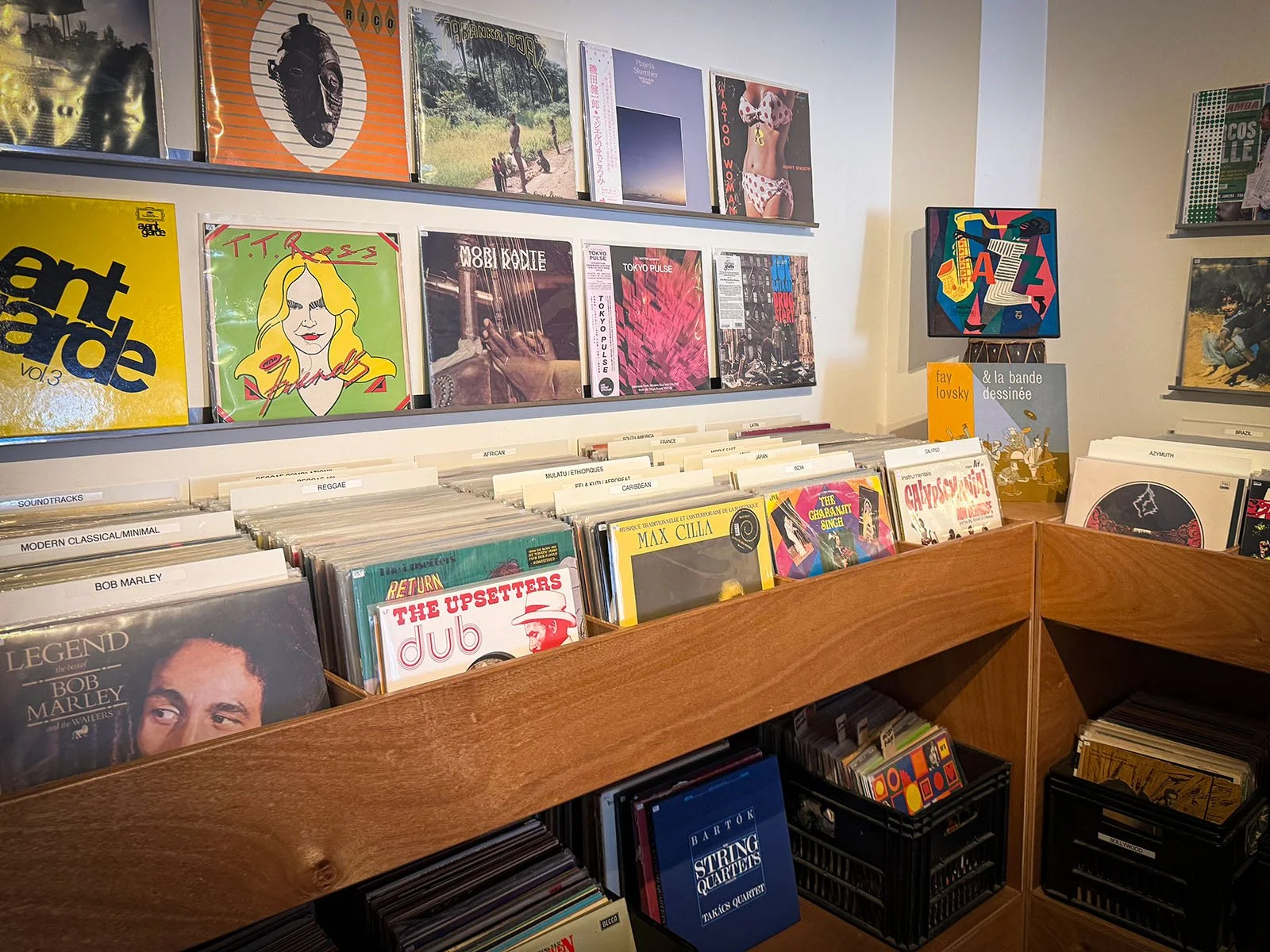
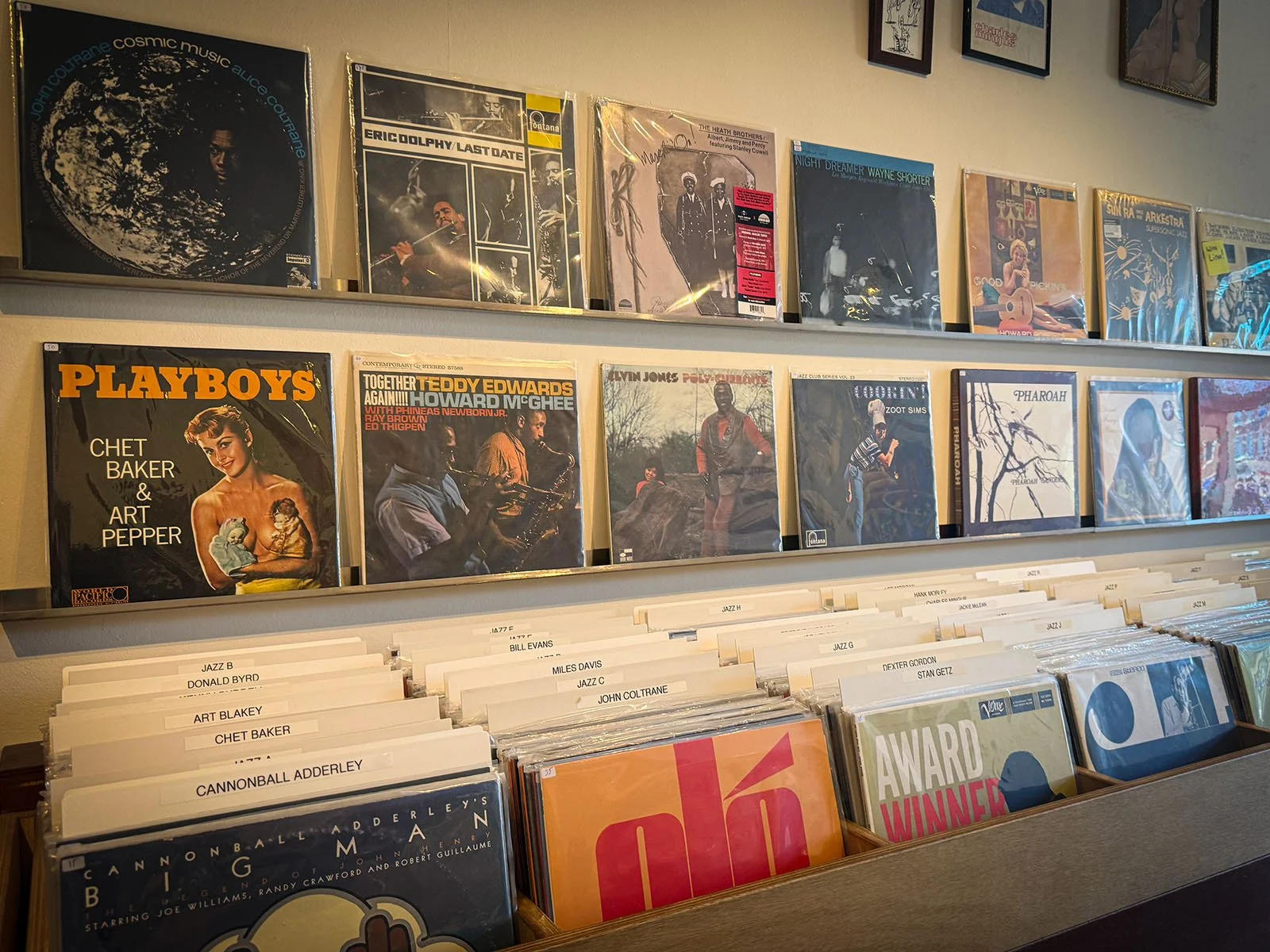
Jazz has always been my biggest passion, so I have a strong jazz section. I also love Brazilian music, so you'll find plenty of that too.
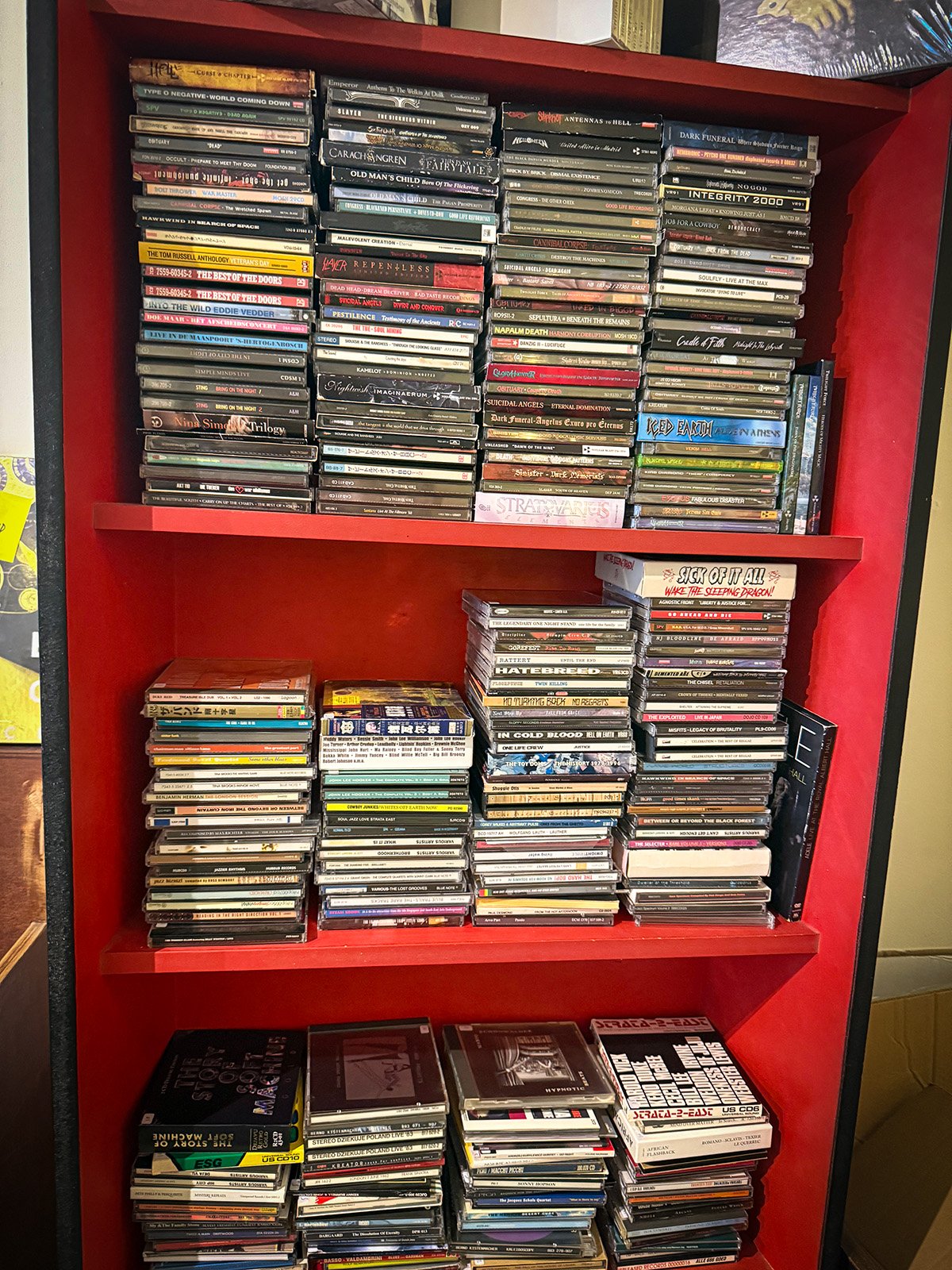
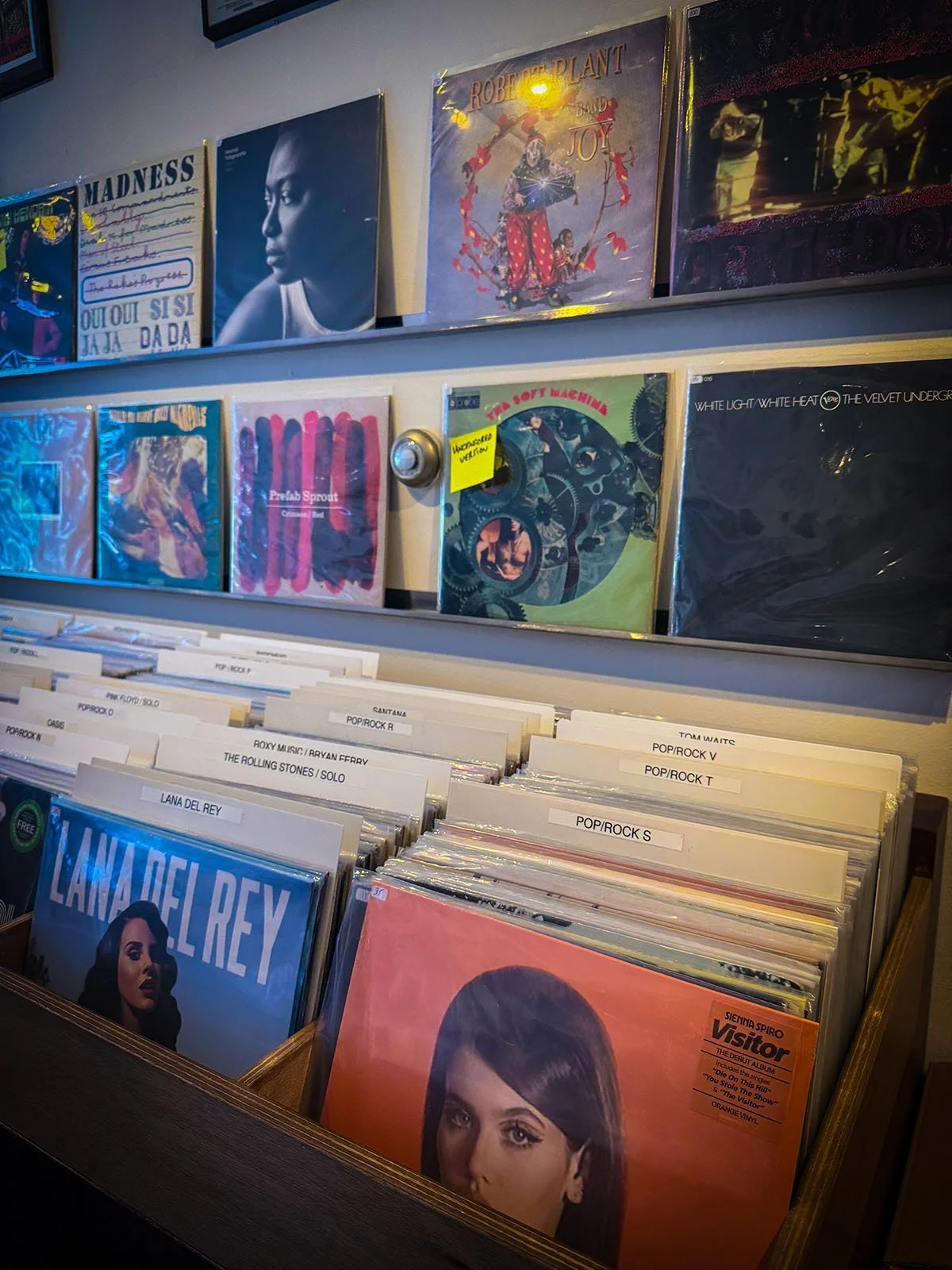
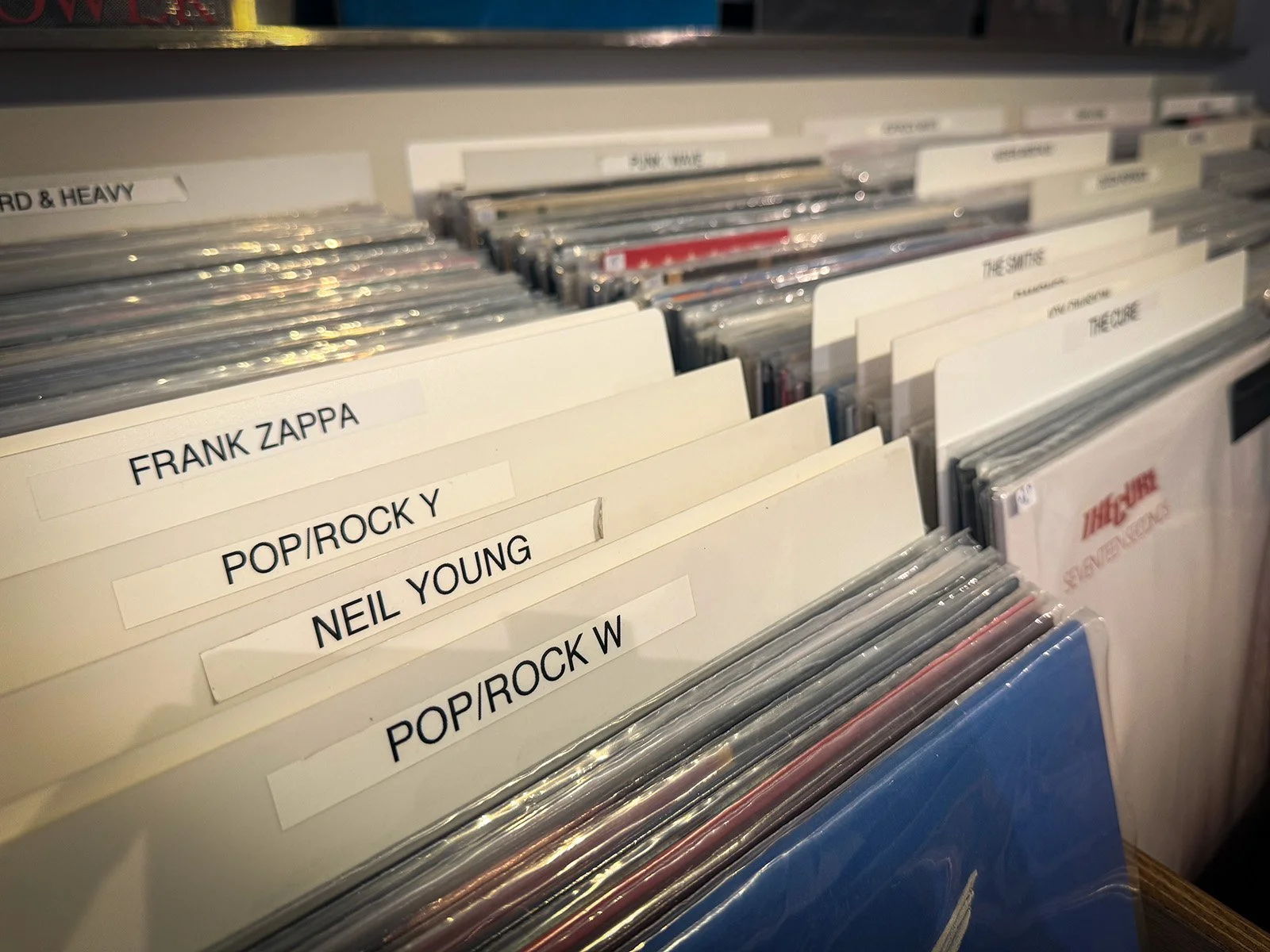
Alongside that there's pop, rock, hip-hop, reggae, world music and some electronic music, although it's more ambient and synthesiser-based rather than club music.
When I first opened I stocked a lot of dance records, but I realised I wasn't really passionate about them. For me, dance music was exciting in the late 1980s and I really loved it – but after that it all felt the same.
As Amsterdam already has brilliant specialist dance shops, I decided to focus on the music I genuinely love instead. I think every independent record shop needs its own niche.
Does that personal taste shape what people come here to discover?
Definitely. A lot of people come here specifically for jazz, particularly newer jazz. There are some really exciting scenes developing at the moment, especially in Scandinavia, so I buy directly from small labels in places like Finland.
I think I'm probably the only shop in Amsterdam carrying some of those releases.
That's the best thing about independent record stores in Amsterdam. We all have our own strengths and specialisms, and we often help each other. If a serious collector is visiting the city, they’ll go to all the record stores – so it’s important that they all offer something different.
I can't compete with the bigger stores on mainstream pop and rock because they buy in much larger quantities and get good savings, so I'd rather stock records people won't find elsewhere.
You still seem passionate about people discovering records in person, rather than online.
That's really important to me.
If I were to post every great record that comes into the store on Instagram, they’d all sell within five minutes. That’s fantastic, of course – but if someone walks into the shop later, the greatest discoveries will already have gone.
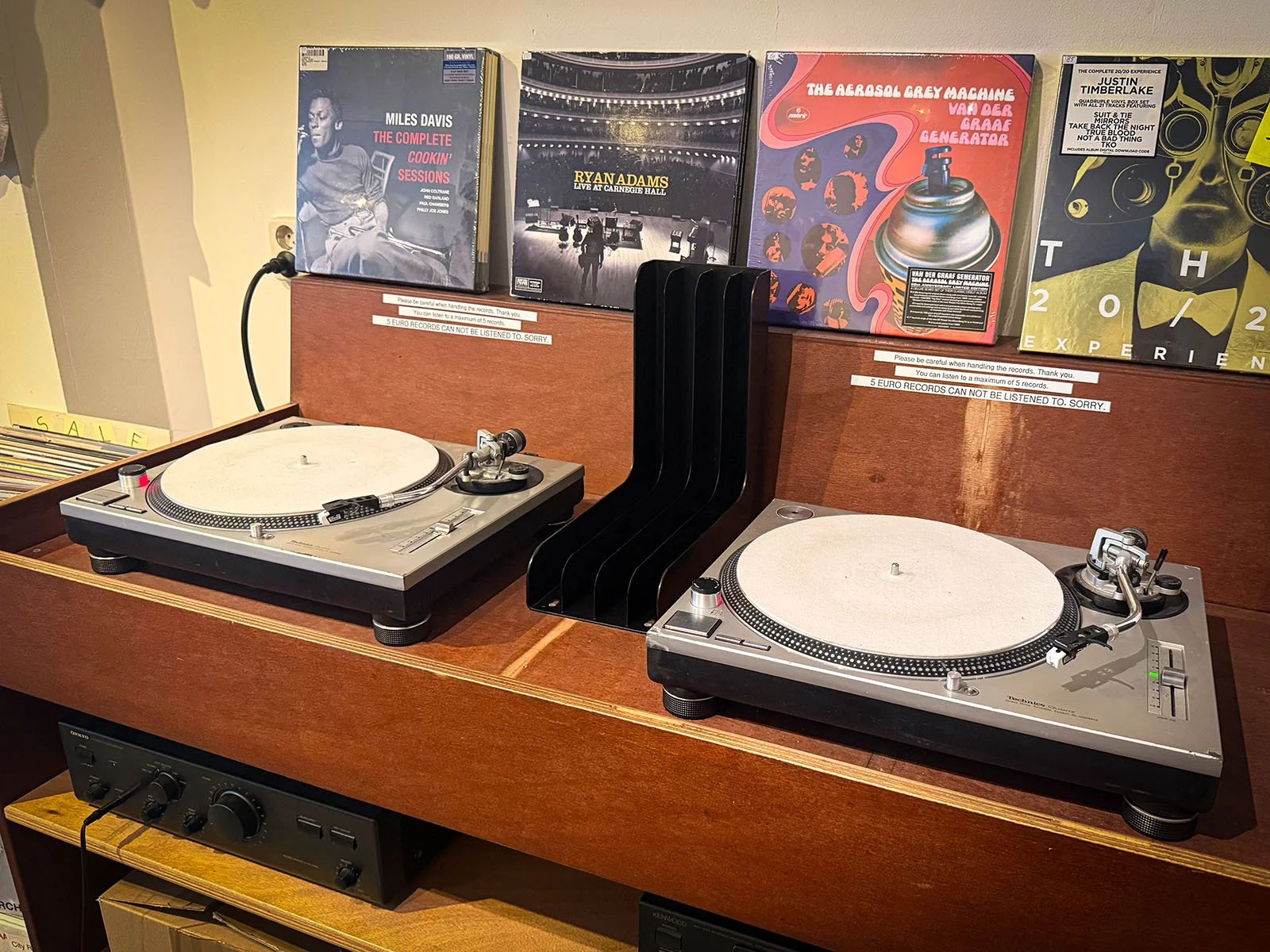
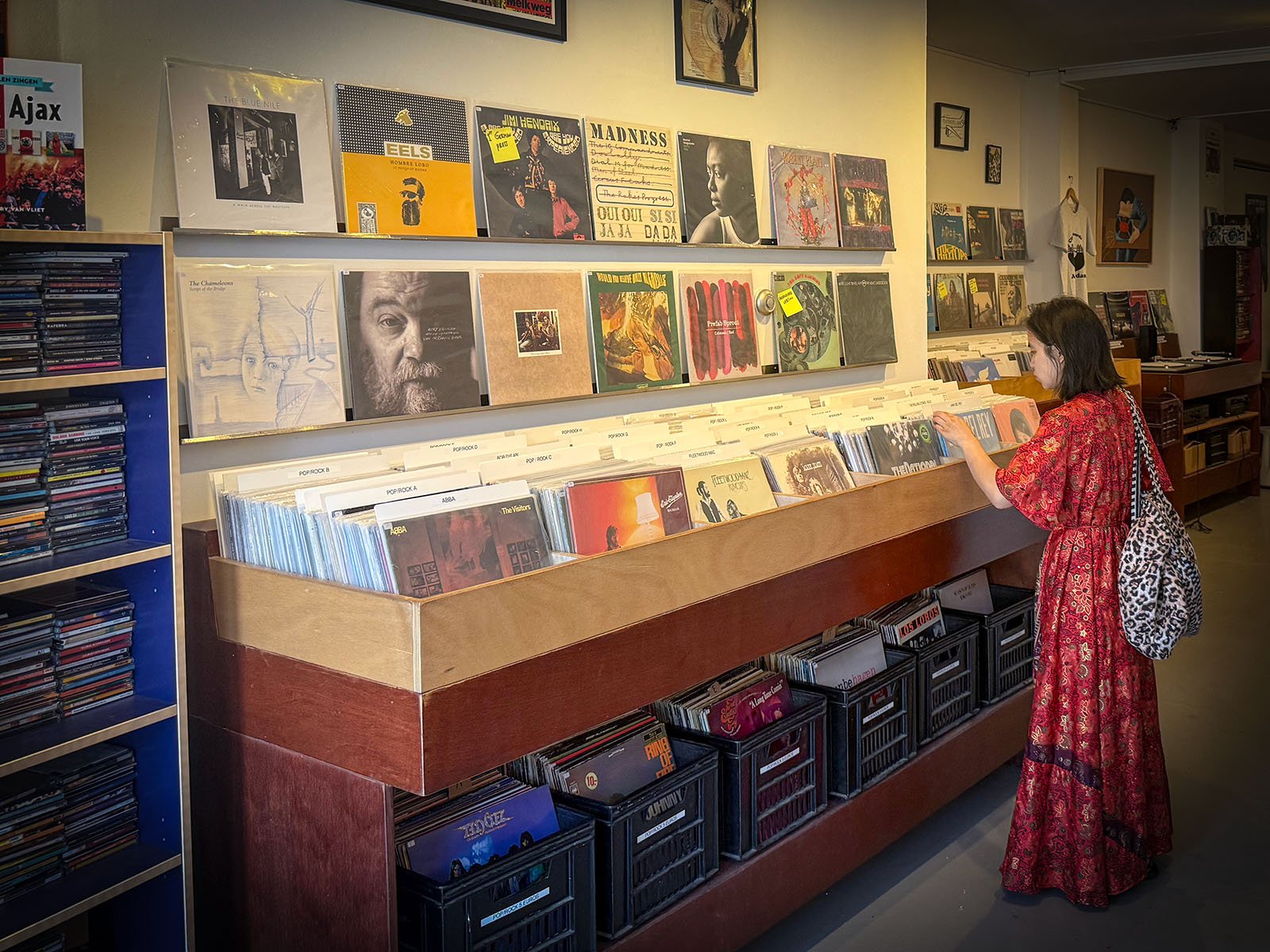
So these days I try to split it about 50/50 – I put about half of the highlights that come into the shop on Instagram, and the rest go up on the wall in the shop. I always like people to be able to find a nice surprise when they come in off the street.
These days, many people have become armchair diggers. They see something online, click a button and get it sent to them.
But I still think the best part of visiting a record shop is browsing through the bins and discovering something you didn't even know you were looking for.
Selling online also involves a surprising amount of work. People ask for extra photos, detailed descriptions and information about sound quality – but, after all that effort, nine times out of ten you’ll never hear from them again.
There’s also lots of admin when selling online, and you need to make sure you don’t get your online and shop stock mixed up. So I’d much rather spend my time helping people who actually walk through the door.
What sorts of records don’t stay on the shelves for long?
There are some records that everyone wants and you need to have them in the shop. Every store in Amsterdam stocks them.
I think ‘Rumours’ by Fleetwood Mac is still the best selling record in Amsterdam – even after all these years!
Have you noticed people's buying habits changing over the years?
I think people have become much more focused on the condition of records, which is also something I care about. I only want good copies in the shop because poor-quality records bring everything else down.
The bigger change is price.
New releases have become much more expensive over the past few years. Records that used to sell for €25 are now often €40 or €45.
I often notice younger customers standing at the counter with two records, trying to decide which one they can afford.
Really rare records still sell quickly, and there’s always a market for the cheaper records – but that middle price range moves more slowly than it used to.
What's the most memorable record that's ever come through the shop?
A customer brought in a small collection he'd inherited from his mother-in-law. It was a bunch of crap, really – there was a Queen record, one by Lou Reed, maybe one by Dolly Parton. Nothing spectacular.
But there was one strange-looking record in a plain sleeve with a photograph glued to the front.
By pure coincidence, only a couple of weeks earlier someone had asked me about that very record. It was an incredibly rare Dutch folk album by a band called Windy Corner, who mixed folk and rock and made their own instruments.
The band only made 99 copies. It was pressed in the UK where, if you made 100 records, it counted as a commercial release and you had to pay VAT.
It turned out to be worth several thousand euros. But the owner had no idea.
I sold it for him and handed him an envelope with a four-figure payment inside. He couldn't believe it. I told him it was his holiday money!
Has owning a record shop changed the way you collect music yourself?
Completely. I used to chase original pressings and spend lots of time hunting for records for my own collection.
Now I really don't care whether something is an original or a repress, as long as it sounds good.
These days I get more enjoyment from finding great records for the shop than for myself.
My own collection has actually become smaller over the years, because I realised there were hundreds of records I hadn't played in decades.
Every now and then I look at a record and ask myself, "If I haven't played this in the last 20 years, am I really going to play it in the next 20?” If the answer's no, it goes into the shop.
If people are honest with themselves, there are probably around 10 to 20 records they listen to a lot. The rest of your collection is just there for assurance – so you know it’s there if you ever need it.
Why do you think vinyl continues to attract new generations of listeners?
I think people simply like owning something physical.
Everyone remembers the first record they bought. Nobody remembers their first stream or download.
Records feel like something you've chosen, something that's yours. You can hold them, read the sleeve, pass them on to someone else.
Listening is different too. When you're streaming music it's easy to skip from one song to the next, but playing a record asks you to slow down. You put it on, sit with it and give it your attention.
It's a completely different experience.
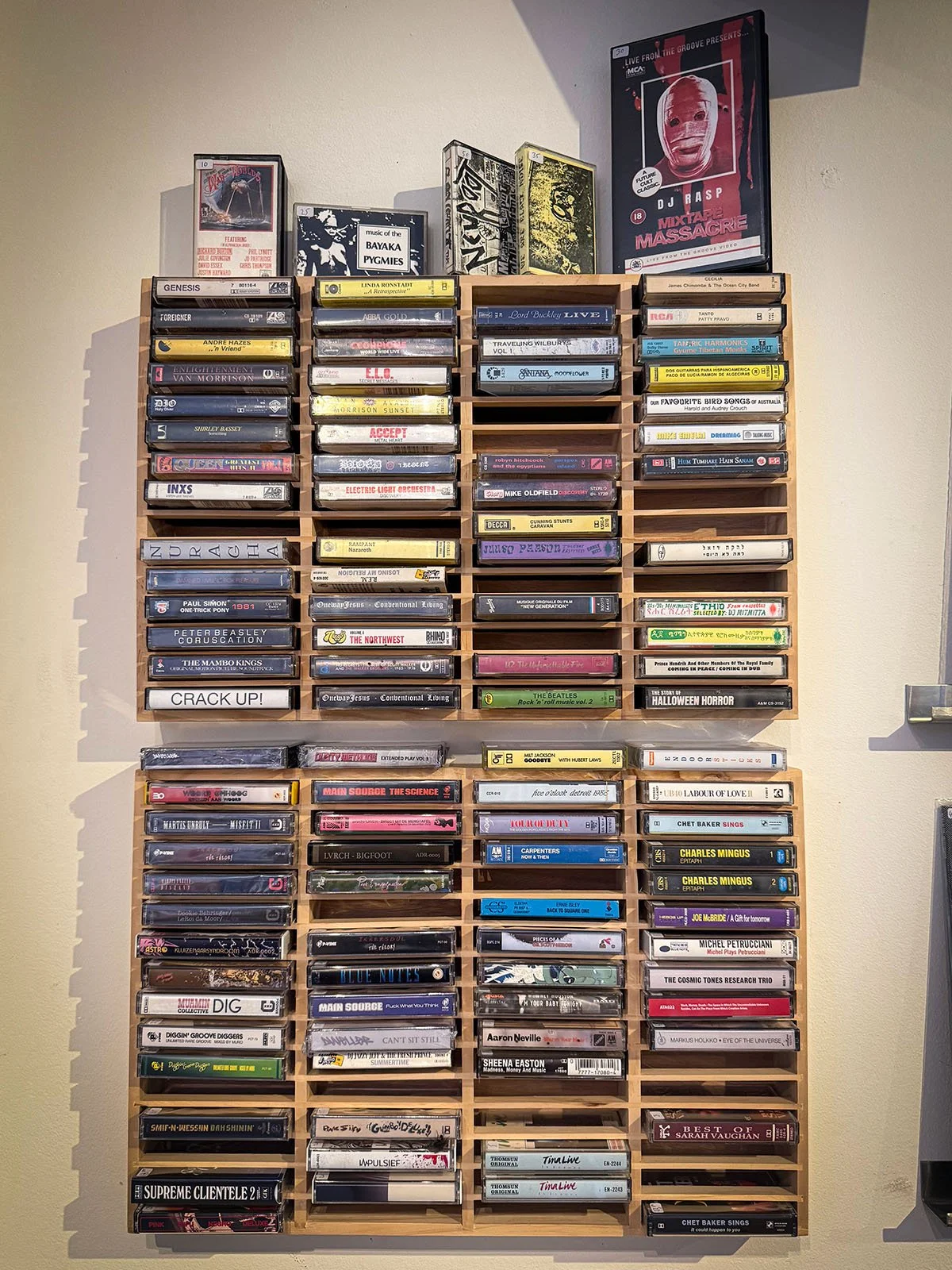
Interestingly, I'm also selling quite a few cassettes these days. Younger people seem to love them.
Have you ever found anything strange or unusual inside a second-hand record?
Oh yes… nude pictures, love letters, bags of weed, bags of cocaine, articles from magazines, stuff like that.
I think it's interesting because it reminds you that these records had a life before they came to you. I think it makes them more charming.
Finally, I always end these interviews the same way. Complete this sentence: "A great record shop is..."
A place where people feel welcome, enjoy spending time and can always discover a great record.
For me, it's about creating a nice environment where people can browse, have conversations and find something special.
One of the best parts of this job is meeting people from all over the world every day. That's something I'd never want to lose.