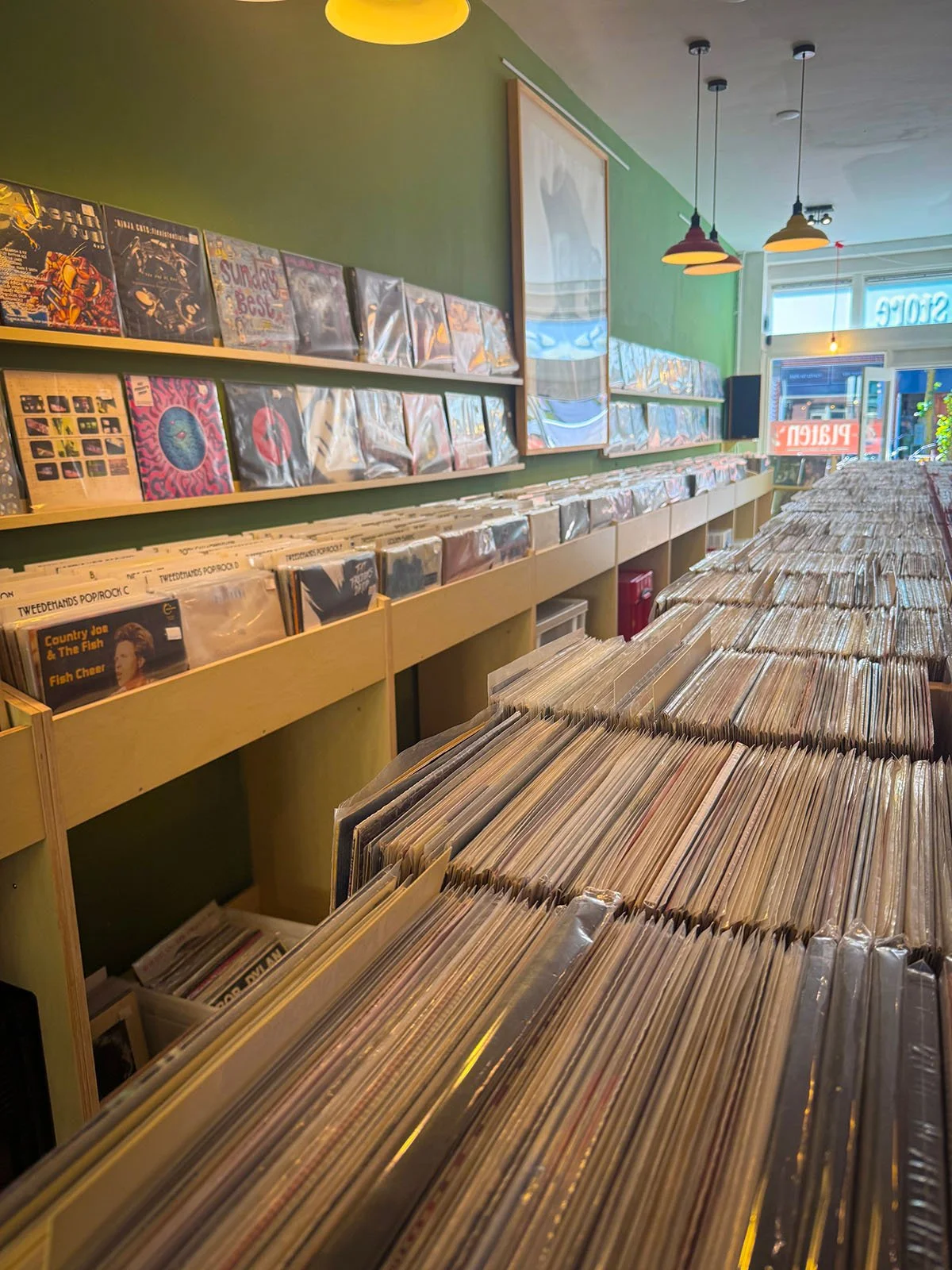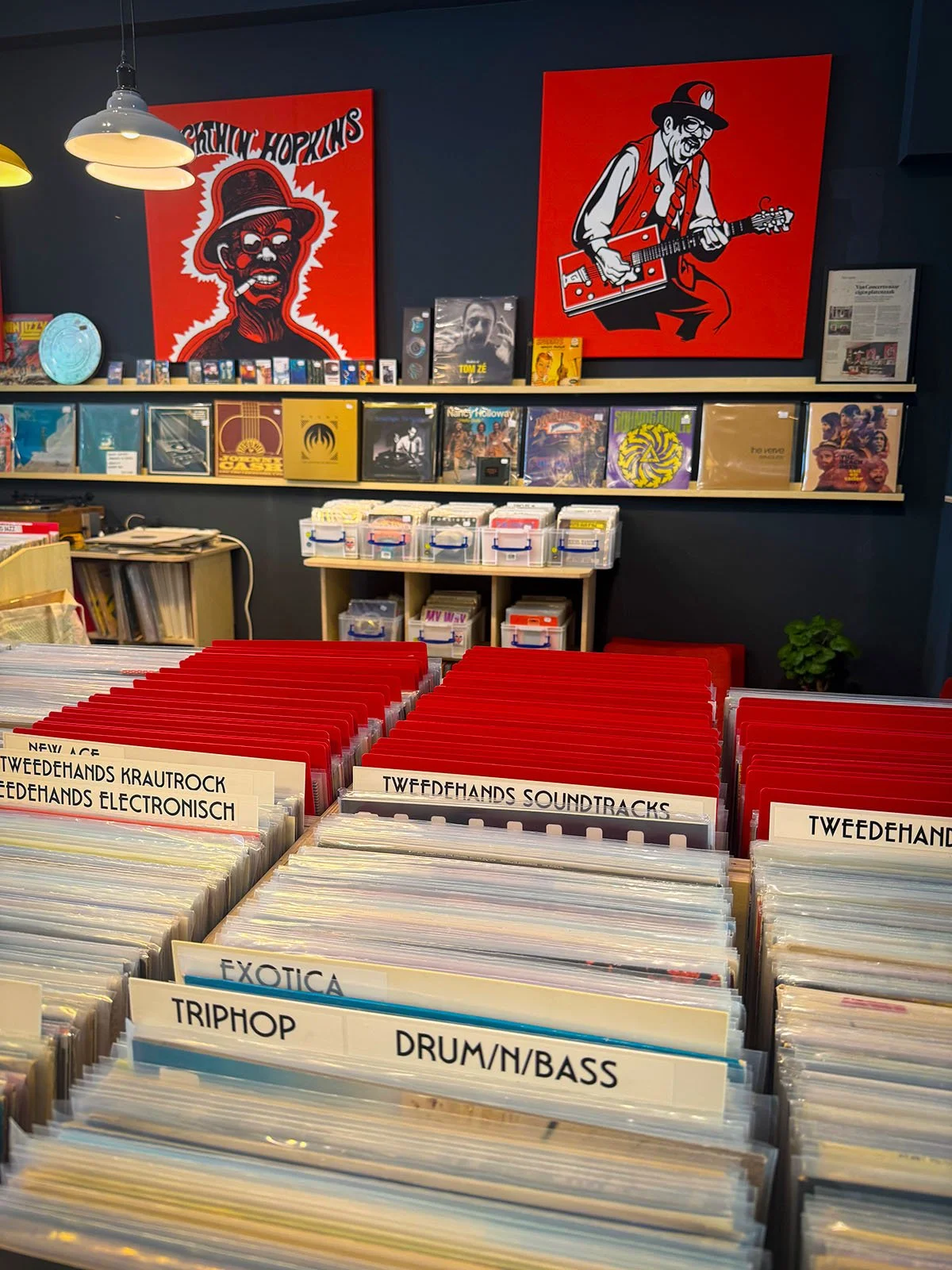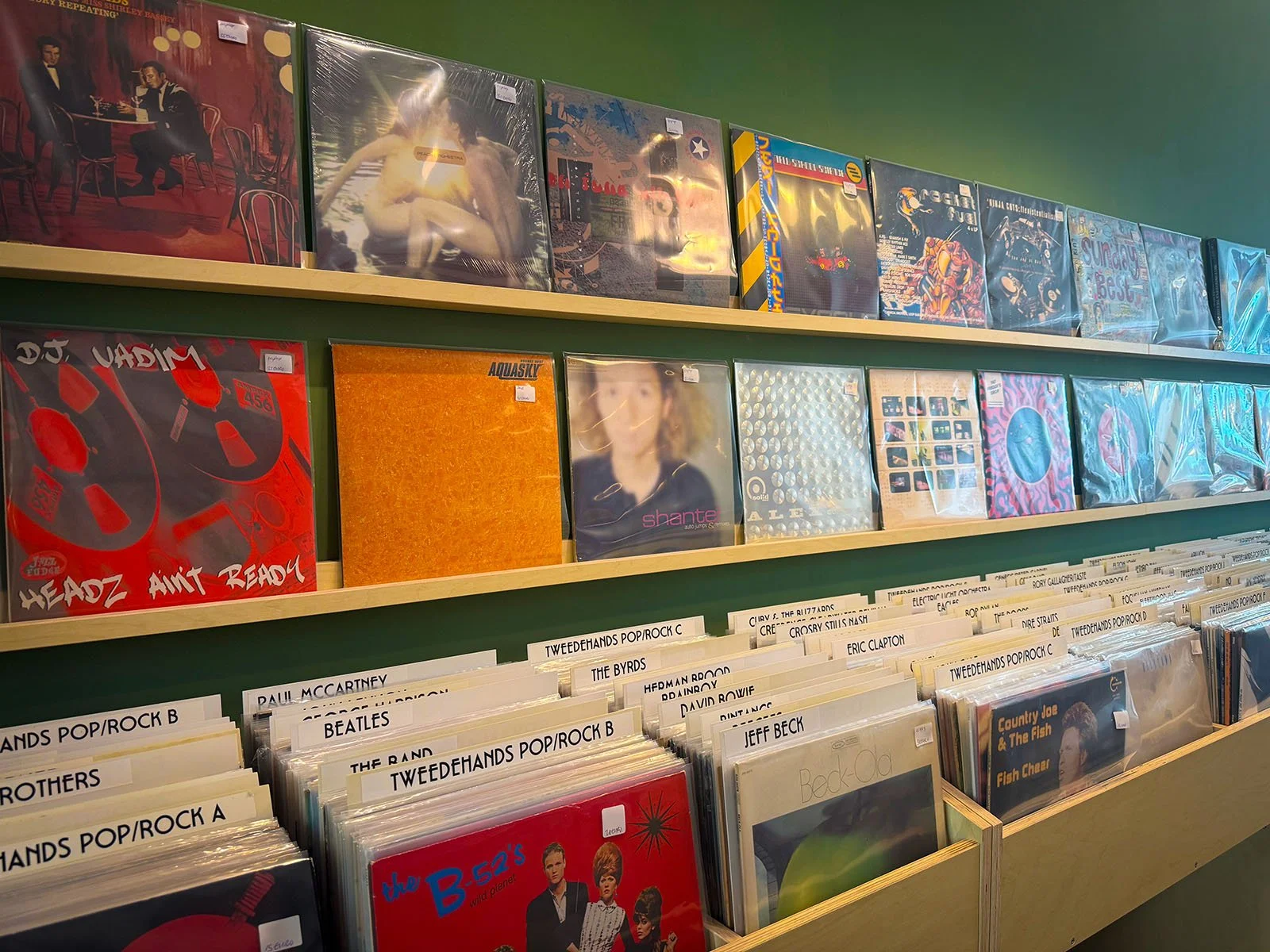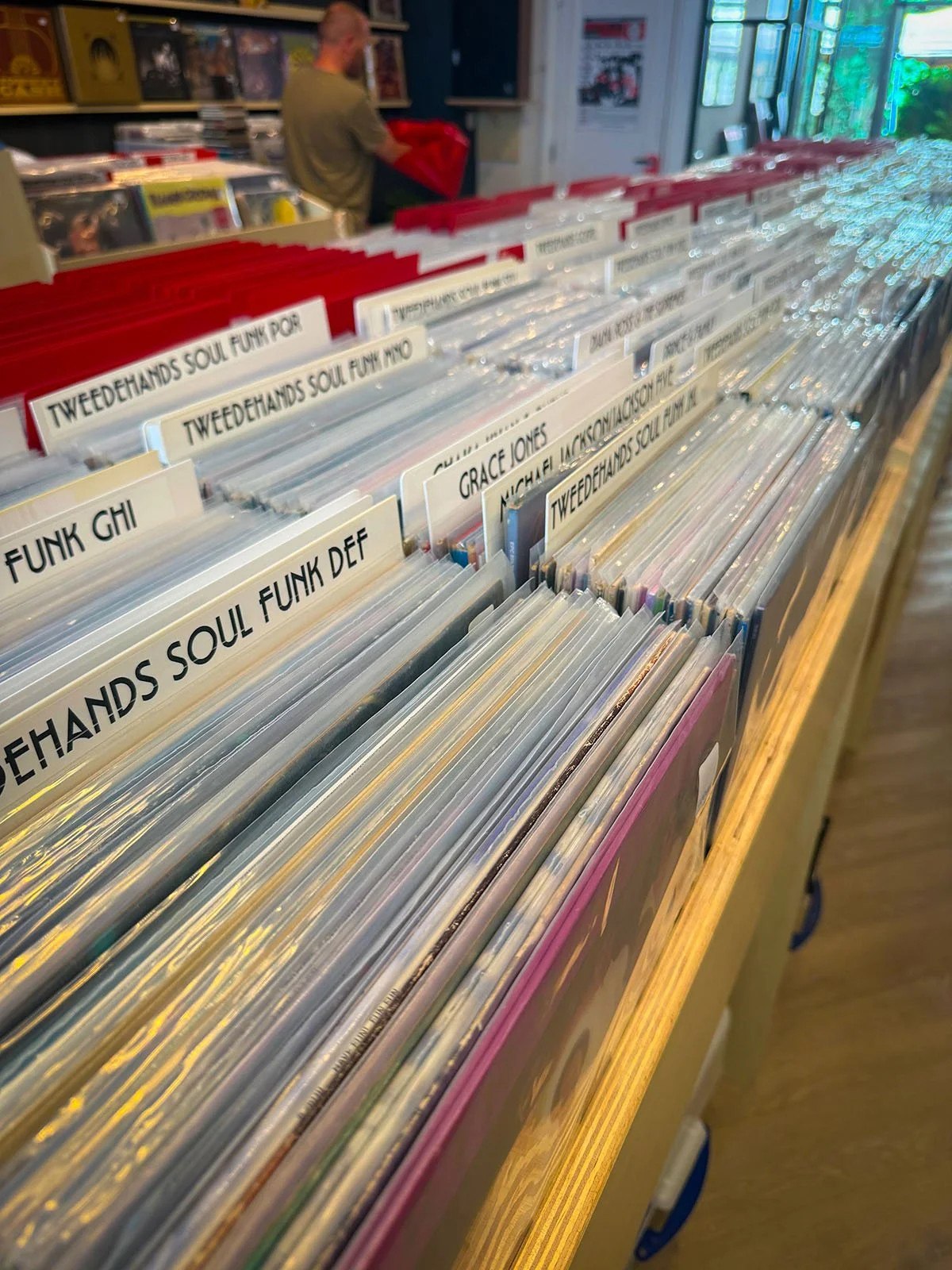
Anton Speijers Platen
Anton Speijers Platen may be one of Amsterdam's newest record shops, but behind the counter is someone with more than 30 years of experience buying, selling and living vinyl.
Anton began his career at Concerto in 1995 before spending time working for record labels and later returning to help run one of the city's best-known record stores. After years of trading at record fairs and building his own collection, he finally opened Speijers Platen on JP Heijestraat in early 2025.
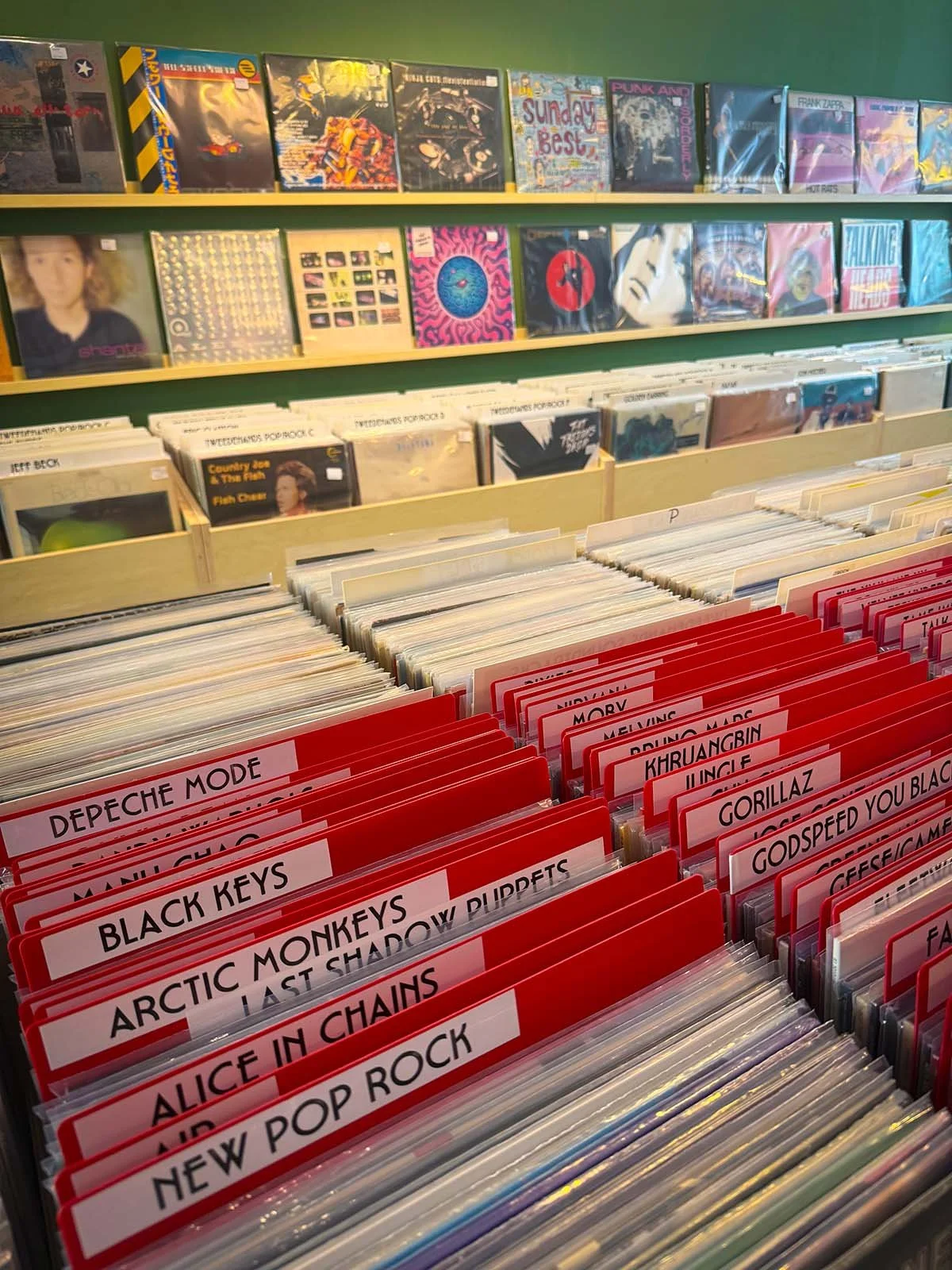
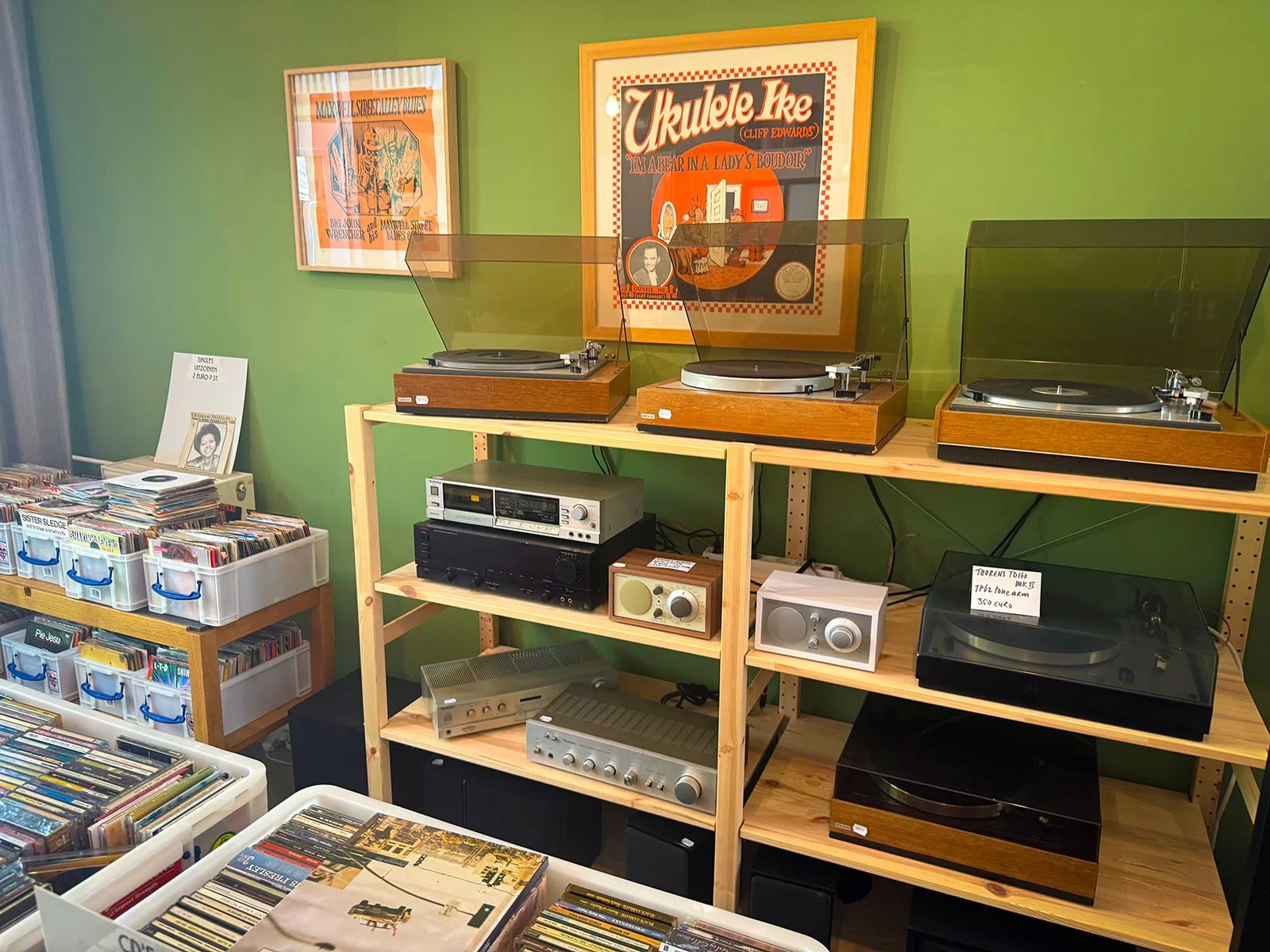
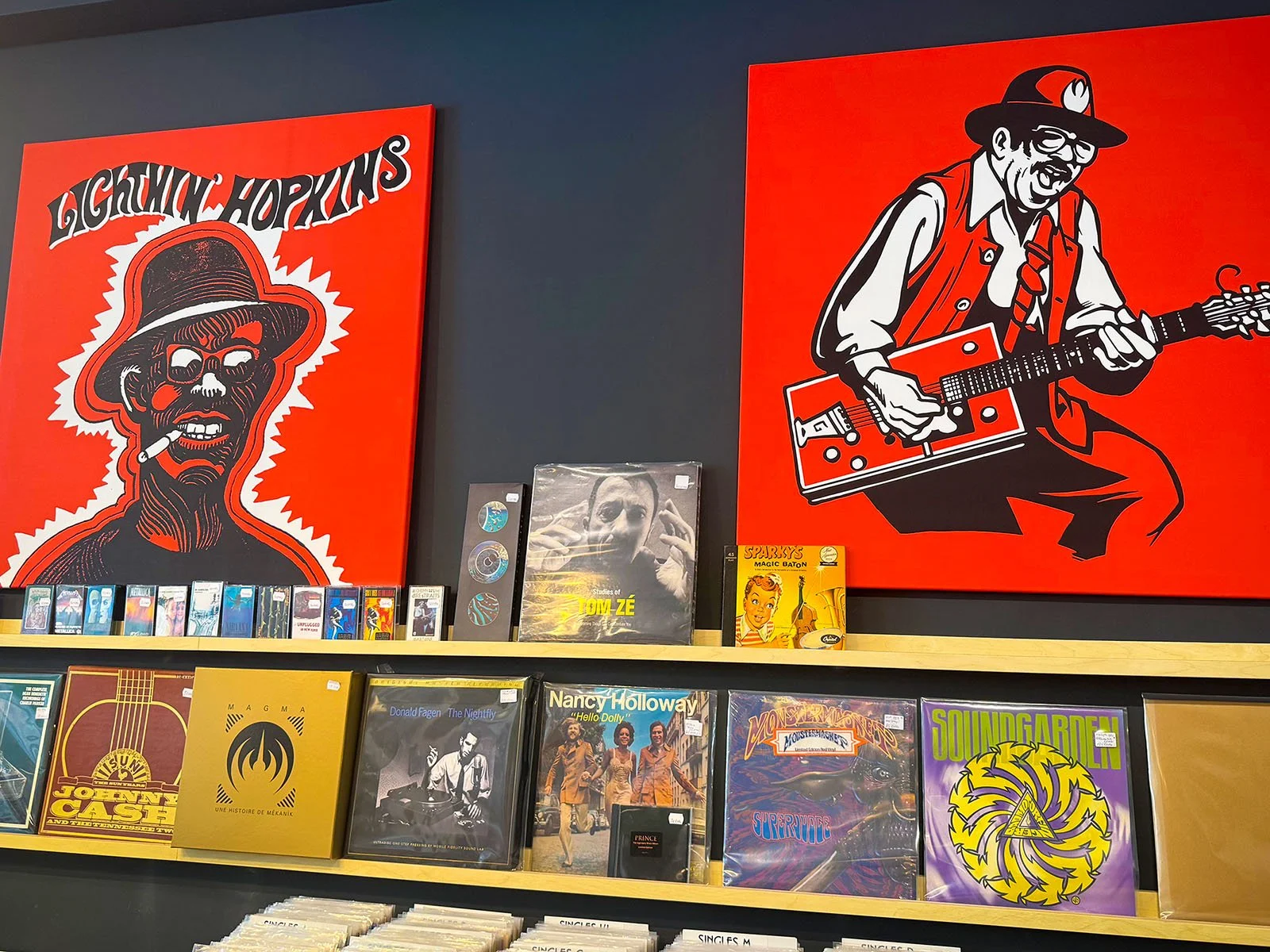
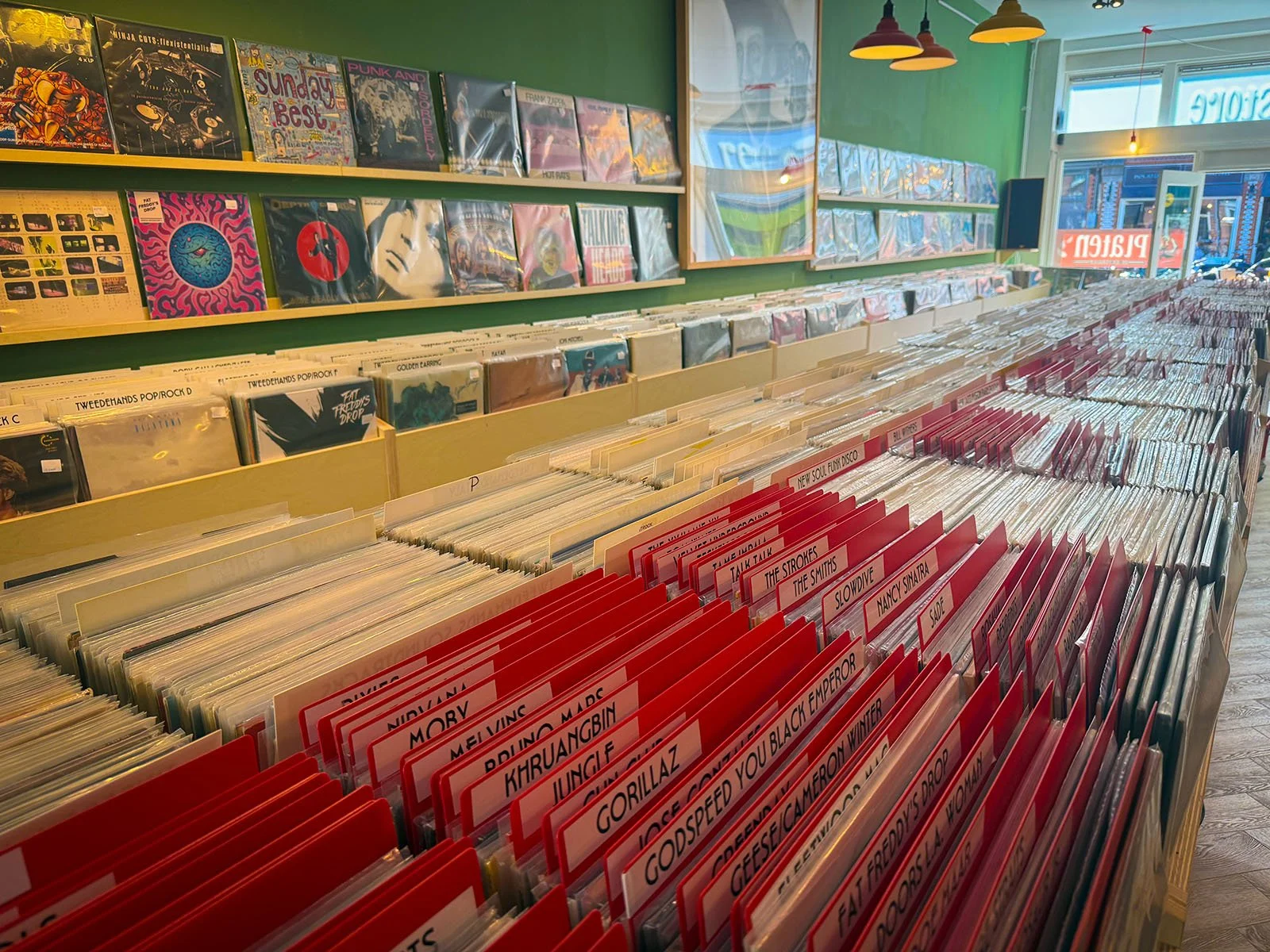
The shop specialises in carefully selected new and second-hand records, with an emphasis on jazz, soul, blues, reggae, world music, hip-hop and other overlooked gems. Anton only stocks records he genuinely believes in, making every visit feel like browsing the collection of a knowledgeable collector.
We sat down with Anton to talk about three decades in the record business, why curation still matters and what makes a truly great record shop.
visit Anton Speijers Platen at JP Heijestraat 149, 1054 MG Amsterdam. Open Wednesday, Thursday and Friday 12:00 to 18:00; Saturday 10:00 to 18:00; closed Sunday and Monday
follow Anton Speijers Platen on Instagram, @speijersplaten
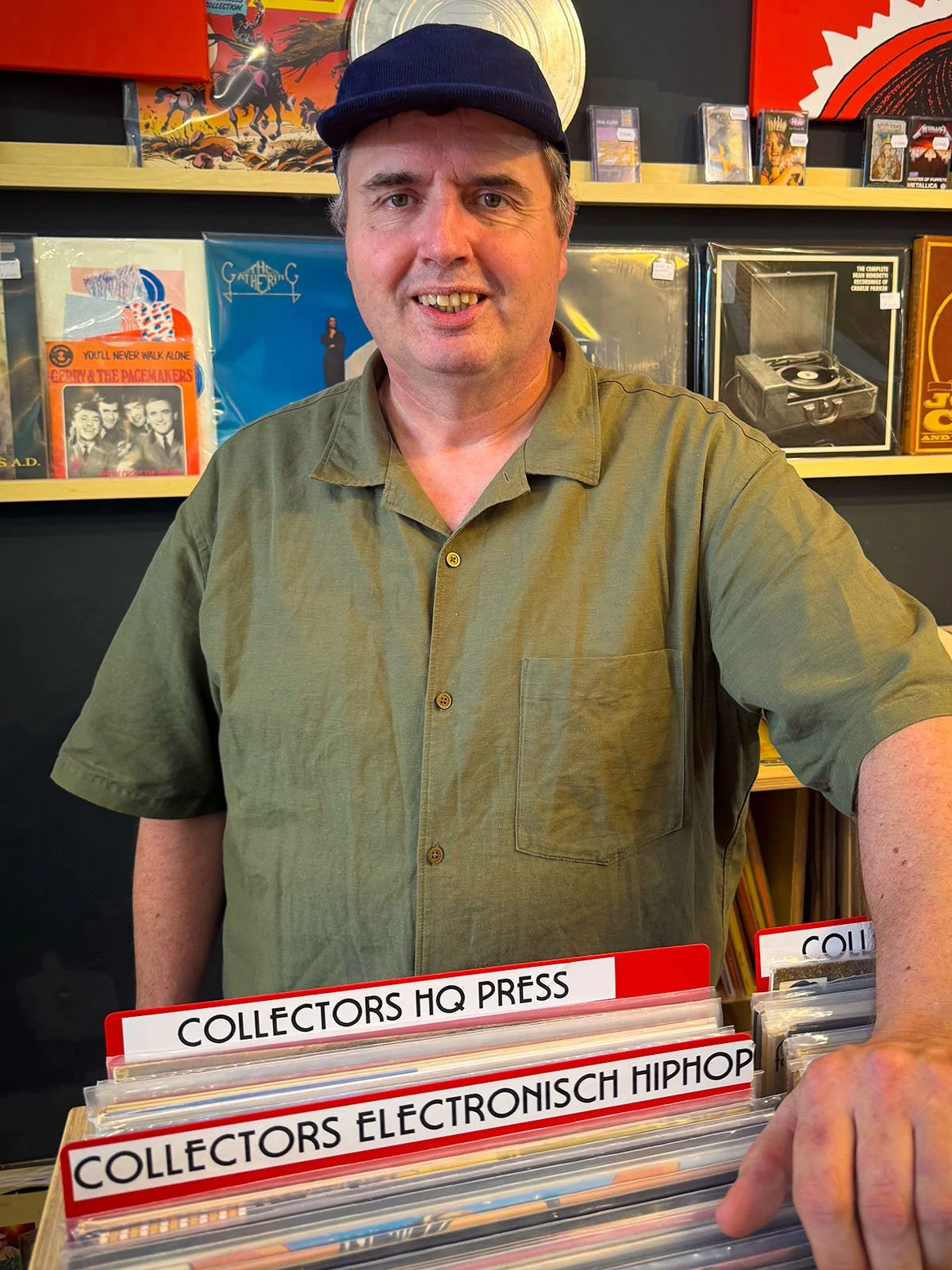
An interview with anton, Anton Speijers Platen
I love hearing the stories behind record shops, especially how people go from collecting records to owning a store. How did it all begin for you?
It started when I was studying in Amsterdam. I shared a house with two other guys – one was an artist and the other worked at Concerto. We were always playing records; there were three stereo systems in the house, so music was constant.
Eventually my housemate left Concerto to work for a record company. He told me they needed someone and suggested I apply. I got the job in 1995.
I'd already been buying records before that, but working in a record shop really accelerated things. Even when CDs were taking over, I kept buying vinyl whenever I could. Back then, if you didn't buy a new release when it came out, there was a good chance you'd never see it again. That's why I still own original pressings by bands like Wilco and Dinosaur Jr.
You also spent time working for record companies.
Yes. Around 2001 I moved into the record business and travelled all over the Netherlands visiting independent record stores.
It was a great job because I got to know almost every indie shop in the country, and I'd always find time to hunt for records myself.
After a few years there were several company mergers, and I realised I didn't want to spend my career dealing with corporate restructuring. Around that time the owner of Concerto asked me to come back.
I started by running the second-hand department and eventually helped coordinate the whole store. I stayed there until the summer of 2022.
And that's when you decided to open your own shop?
Not immediately. After leaving Concerto I started trading records at fairs under my own name. I was buying so many records for the business that eventually I thought, I need a shop.
I started looking for premises outside the city centre, and eventually found this place. We opened on Valentine's Day this year.
How would you describe Speijers Platen to someone visiting for the first time?
It's a carefully curated shop.
Roughly one-third of the stock is new and two-thirds is second-hand. We specialise in jazz, soul, blues, reggae, world music, hip-hop and plenty of rare and unusual records.
Everything here is something I genuinely wanted to buy.
If I pick up records that I don't think are good enough – whether that's because of the music, the condition or the sleeve – I try to move them on quickly. I want the shop to be full of records that excite people.
Your stock feels very personal.
Absolutely. When I first opened I stocked a few Taylor Swift records because I thought they'd sell immediately.
Nobody touched them.
Instead, customers were buying things like the latest Bill Callahan album or releases on International Anthem. That told me a lot about the people coming through the door.
I don't stock every big commercial release. For example, I didn't order the latest Rolling Stones album because I'd rather help someone discover a great second-hand Stones record instead.
That's my philosophy.
Do you still trade online and at record fairs?
Yes. I sell through Discogs, and I'm still doing record fairs most Sundays.
The fairs work really well alongside the shop. Records that don't sell here might find the right buyer at a fair, and I often buy collections at fairs that end up back in the shop.
I'm even thinking about opening on Sundays as well, although I still need to work out how to manage that.
Who are your regular customers?
A lot of people come from the surrounding neighbourhoods – De Baarsjes, Bos en Lommer and Amsterdam West generally.
There are lots of musicians, artists and expats living around here, and many of them have really interesting taste in music.
People also bring in fantastic collections. One day someone might walk in with a bag full of punk records, another day it's 20 Ennio Morricone albums.
The tourists who visit tend to be a bit older. They're not just in Amsterdam for the nightlife – they're exploring the neighbourhood, having lunch and spending time browsing.
You've watched vinyl survive some difficult years. Did you ever think it would disappear?
No. Even in the 1990s, when hardly any new records were being pressed, I never believed vinyl would completely die.
Now we're living through an amazing period. Almost every important album gets reissued. If you're looking for a rare reggae album, there's a good chance someone will reissue it six months later.
For collectors it's a wonderful time.
Of course, sometimes you buy an expensive original and then a reissue appears two weeks later. But it works the other way round as well. People buy a reissue first, then later discover an original copy. That's part of the fun.
What's the most exciting record you've ever found?
A few years ago I bought a copy of an album by Mellow Candle.
I assumed it was a reissue because it looked so clean, but when I checked it properly I realised it was an original pressing. I hadn't realised how valuable it was, so that was a wonderful surprise.
Another memorable find came from a woman living right on the beach in Zandvoort. It was a beautiful sunny day and nobody wanted to drive there because of the traffic.
When I arrived, almost everything in the collection was ordinary – except there were three copies of a very rare Dutch jazz record by The Diamond Five.
I took them to a record fair and sold all three within an hour to three different Japanese collectors. They couldn't believe their luck. Those are the moments you remember.
Have you ever sold something and immediately regretted it?
Not really. Once I started running my own business I sold some records that I'd probably have kept before, including an original copy of Heart of the Congos.
But I don't look backwards. If someone else gets to enjoy the record and I can buy a good reissue for myself, I'm perfectly happy.
I'm probably different from some serious collectors. I know people who'll spend hundreds of euros on a rare cassette. That's not me.
Finally, I always end these interviews by asking the same question. Complete this sentence: "A great record shop is..."
A great record shop has both excellent second-hand records and a really strong selection of new releases.
When you start browsing, you should find something interesting almost immediately. That first discovery should make you want to keep looking.
And one thing I really can't stand? Records without outer sleeves.
That's a complete no-go for me. I also hate seeing price stickers slapped across hype stickers on new records. The little details matter.